
Plants
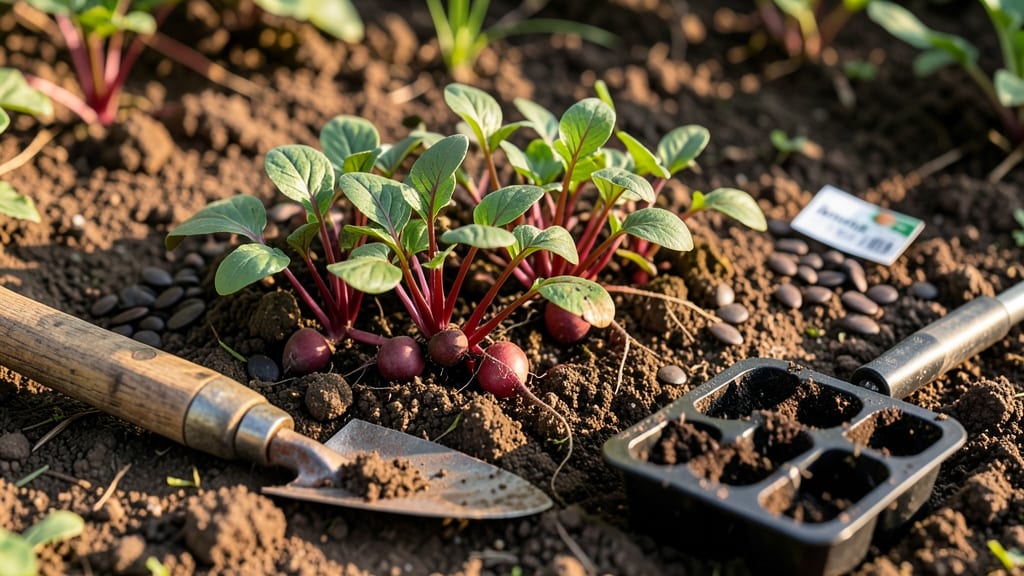
Planting beets in Massachusetts at the wrong time can turn your garden dreams into a frosty disappointment—those tender 🍠 seedlings won’t stand a chance if you miss the sweet spot between last frost and summer heat.
The key to success lies in understanding your local frost dates, which can vary dramatically from Boston’s coastal chill to the warmer valleys of Western MA.
Most gardeners in USDA Zones 5b-7a should start seeds indoors by late February or sow directly in early March, but timing shifts when you move to Cape Cod’s cooler microclimates.
I’ve learned the hard way that planting too early risks frost damage, while waiting too long means bolting before you get that perfect harvest window.
Here’s the game-changer: with just 3 simple adjustments—staggered plantings, soil prep, and succession sowing—you can enjoy fresh beets from May through October. Whether you’re a city balcony gardener or have a rural plot, I’ll show you exactly when and how to plant for maximum yield.
Let’s dive into the frost-free timeline that’ll have your beets thriving all season long, no matter where you are in the state. Ready to turn your garden into a beet bonanza?
Massachusetts frost dates and best beet planting windows by region
Massachusetts gardeners know timing is everything when growing beets. The state's diverse microclimates—from coastal Cape Cod to inland Worcester—create varying frost dates that directly impact your planting schedule.
Beets thrive in cool soil and can tolerate light frosts, but planting too early risks frost damage while waiting too late means missing the optimal harvest window.
To maximize your beet harvest, I’ve broken down the last spring frost and first fall frost for four key regions: Boston, Worcester, Cape Cod, and Western MA. These dates will help you plan your early spring and late summer plantings for continuous fresh beets all season.
🌱
| Region | Last Spring Frost | First Fall Frost | Best Planting Window | Microclimate Notes |
|---|---|---|---|---|
| Boston | Mid-April (April 15) | Mid-October (Oct 15) | March 20-April 15 July 15-August 15 |
Urban areas warm faster; coastal winds delay frost. |
| Worcester | Late April (April 22) | Late October (Oct 22) | April 1-May 1 July 1-August 10 |
Inland areas have colder springs; valleys frost earlier. |
| Cape Cod | Early April (April 1) | Early October (Oct 1) | March 15-April 10 June 20-July 15 |
Coastal breezes extend growing season; sandy soil warms quickly. |
| Western MA | Late April (April 25) | Early October (Oct 5) | April 10-May 1 July 10-August 5 |
Higher elevations frost earlier; valleys stay warmer longer. |
In Boston, where the last frost typically hits around April 15, you can start planting beets as early as March 20 under row covers or in a greenhouse.
The first fall frost arrives around October 15, leaving a 165-day growing season. For a continuous harvest, I recommend planting again in mid-July to enjoy beets through early October.
Worcester’s later frost dates—April 22 for spring and October 22 for fall—give you a slightly longer window. Start seeds indoors in early April and transplant after the last frost. The July 1-August 10 window for late summer planting ensures a fall harvest before frost sets in.
Cape Cod’s coastal climate is unique. The earliest last frost in the state (around April 1) means you can plant beets as early as March 15. However, the sandy soil warms quickly, so keep seedlings well-watered.
The shorter growing season (frost by October 1) makes the June 20-July 15 window critical for a late-summer harvest.
Western MA’s higher elevations and valley microclimates create variability. In the Berkshires, for example, the last frost can be as late as April 25, while valleys may frost earlier.
Adjust your planting by 1-2 weeks based on your specific location’s history. For urban gardeners in Springfield, stick to the April 10-May 1 window for spring plantings.
Microclimates play a huge role in Massachusetts gardening. A south-facing slope will warm faster than a north-facing yard, allowing earlier plantings. If you’re near water (like Charles River in Boston), expect slightly later frosts due to thermal mass.
Always monitor local forecasts—Almanac’s frost predictors are a gardener’s best friend!
🌿
Pro tip: Use succession planting to extend your harvest. For example, in Boston, sow a new batch of beet seeds every 2 weeks from March through July. This ensures a steady supply of baby beets (harvest at 1-2 inches) and larger roots (harvest at 2-3 inches) throughout the season.
Remember, beets are cold-hardy and can even survive light frosts, but their growth slows in extreme cold. If you’re unsure about your local frost dates, err on the side of planting later—you can always thin seedlings if they get too crowded.
☀️
How to stagger beet plantings for continuous harvests in MA
To enjoy fresh beets from May through October in Massachusetts, I’ve learned that planting in three strategic waves is key. Each wave ensures a steady supply while avoiding the heat stress of summer or early frost risks of fall.
The secret? Timing your plantings to align with 60-day maturity and local frost dates—I’ll show you exactly how.
Start with your first planting in early April (just after the last frost) for a May harvest. This gives roots time to mature before summer’s heat peaks. Then, add two more plantings: one in early July and another in late August.
This succession method keeps your garden productive while avoiding overcrowding or nutrient depletion.
🌱 Step-by-Step Succession Planting Guide for MA Beets
- Wave 1 (Early Spring): Plant March 20–April 15 (after last frost). Use row covers if nights dip below 40°F. Harvest May–June.
- Wave 2 (Midsummer): Sow July 1–15 for a late-summer harvest (avoid bolting). Choose heat-tolerant varieties like ‘Detroit Dark Red’. Harvest August–September.
- Wave 3 (Late Summer): Plant August 15–30 for a fall harvest before frost. Use black plastic mulch to extend soil warmth. Harvest September–October.
- Soil Prep for All Waves: Test pH (6.0–7.0), amend with compost, and loosen soil to 12 inches deep for root growth.
- Spacing & Depth: Sow seeds ½ inch deep, 1 inch apart in rows 12 inches apart. Thin to 2–3 inches when seedlings are 2 inches tall.
- Post-Harvest Tip: After each harvest, replant the space with fast-growing greens (like spinach) to maximize garden use.
✅ Pro Tip: Mark planting dates on a garden calendar to track maturity timelines!
For each wave, I focus on soil consistency—beets hate soggy or compacted soil. Before planting, I mix in aged compost and a balanced fertilizer (5-10-10) to support root development.
In Wave 2 and 3, I also add a mulch layer (straw or grass clippings) to retain moisture during dry spells.
Don’t forget to harvest regularly to encourage continuous production. Beets left in the ground too long become woody or bolt—especially in Wave 3’s shorter fall window.
I pull roots when they’re 1–3 inches wide and the tops reach 3–4 inches tall. This timing ensures tender, sweet roots every time.
Urban gardeners can adapt this method by using containers at least 12 inches deep. Just plant seeds ¼ inch deeper than in-ground plantings to compensate for faster drying. With these staggered waves, you’ll have fresh beets for soups, salads, or roasting from spring through fall—no grocery store needed!
🌿