
Plants
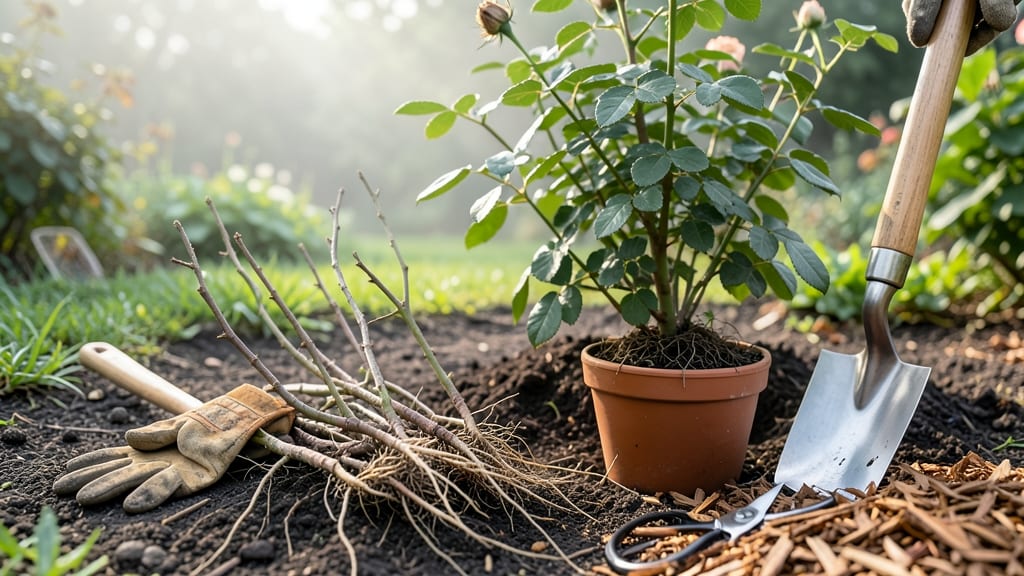
Planting roses in Texas at the wrong time can leave your garden struggling with heat stress or poor root establishment—but timing it right guarantees vibrant blooms for years. The Lone Star State’s diverse heat zones demand precision, and missing the ideal window could mean weaker plants or even failure.
If you’ve ever watched a 🌹 buddle with the Texas sun only to wilt before blooming, you know the stakes. The key lies in understanding your specific heat zone—whether you’re in North Texas’s cooler 8a or South Texas’s balmy 10a.
Each zone has its own perfect planting window, and getting it wrong can set your roses back for months.
In this guide, I’ll break down the best months to plant roses in Texas, from early fall’s cooler temperatures to spring’s gentle awakening. You’ll learn how to prepare your soil, choose between bare-root and container-grown roses, and even adjust for urban microclimates that can throw off traditional schedules.
Whether you’re a seasoned gardener or just starting with your first rosebush, these insights will help you plant with confidence. Let’s get those roots established the right way—so you can enjoy stronger plants and more beautiful blooms all season long.
Texas heat zones explained: when to plant roses by region for optimal survival
Texas spans USDA hardiness zones 8a through 10a, creating dramatic differences in frost dates and heat intensity. In Zone 8a (North Texas), average last frost dates hover around February 15, while Zone 10a (South Texas) rarely sees frost at all.
These variations mean your planting window could shift by 6+ weeks depending on where you garden, making zone-specific timing critical for rose survival.
Roses planted at the wrong time suffer from heat shock or frost damage. In Zone 9b+, late winter plantings can scorch roots before they establish, while Zone 8a gardeners risk frost damage if planting too early.
The solution? Fall planting (October-November) works statewide, while early spring (February-March) suits cooler northern regions.
Urban areas like Austin (Zone 8b) and Houston (Zone 9a) experience microclimates with heat islands pushing temperatures 5-10°F higher than rural areas. Adjust planting dates 1-2 weeks earlier in cities to account for this urban heat effect.
Rural gardeners in East Texas (Zone 8a) should wait until after April 15 to avoid late frosts.
| Zone | Last Frost Date | Best Planting Window | Soil Temp Threshold | Urban Adjustment |
|---|---|---|---|---|
| 8a (North TX) | Feb 15-Mar 1 | Oct 15-Nov 15 or Feb 15-Mar 15 | 55-60°F | Plant 1 week earlier |
| 8b (Central TX) | Feb 1-Mar 15 | Oct 1-Nov 1 or Feb 15-Mar 10 | 55-60°F | Plant 7-10 days earlier |
| 9a (East/Central TX) | Jan 15-Feb 1 | Sep 15-Oct 31 or Feb 1-Mar 15 | 60-65°F | Plant 10-14 days earlier |
| 9b (South TX) | Dec 15-Jan 15 | Sep 1-Oct 15 or Jan 15-Feb 28 | 65-70°F | Plant 2 weeks earlier |
| 10a (Deep South TX) | None (rare frost) | Year-round (best Sep-Nov) | 70-75°F | Avoid peak summer |
For bare-root roses, aim to plant when soil temperatures drop below 70°F—this prevents root desiccation. In Zone 8a, this typically means October 15, while Zone 10a gardeners can plant as late as December 1.
Container-grown roses offer more flexibility, allowing year-round planting in Zone 10a but still avoid peak summer heat (June-August).
Urban microclimates complicate timing further. Asphalt and concrete absorb heat, raising soil temperatures by 5-10°F compared to rural areas. Test soil temps with a soil thermometer—plant when readings stay below 75°F for 3+ days.
In Dallas (Zone 8a), this often means waiting until November 1 rather than October.
Adjust your strategy based on rose variety. Heat-tolerant varieties like 'Knock Out' roses handle Zone 9b+ spring plantings better than classic hybrid teas, which prefer cooler Zone 8a conditions. Always check the USDA zone rating of your specific rose before planting.
Pro tip: Mulch heavily (3-4 inches) after planting to regulate soil temps. In Zone 10a, use light-colored mulch to reflect heat,
Step-by-step planting timeline: exact months and tasks for Texas roses
Timing is everything when planting roses in Texas, and missing the ideal window can mean struggling plants or even failure. Texas gardeners must balance soil temperatures, frost dates, and heat stress to ensure strong root growth.
Whether you're planting bare-root roses in fall or container-grown varieties in spring, these exact months and tasks will set your roses up for success.
Fall planting (October-November) is ideal for most of Texas, allowing roots to establish before winter dormancy. In North Texas (Zones 8a-8b), aim for late October to early November, while South Texas (Zones 9a-10a) can extend planting into December.
Early spring (February-March) is the second-best window, especially for container-grown roses, which can handle warmer soils.
🌹 Texas Rose Planting Timeline
- 1 September (Prep Month): Order bare-root roses from nurseries. Test soil pH (ideal: 6.0-6.5) and amend with compost for better drainage. Dig a hole twice as wide as the root ball but no deeper.
- 2 October (North Texas) / November (South Texas): Plant bare-root roses in cool, moist soil (ideal temp: 50-60°F). Soak roots in water for 1-2 hours before planting. Spread roots outward and backfill with native soil mixed with compost. Water deeply to eliminate air pockets.
- 3 First 4 Weeks Post-Planting: Apply 2-3 inches of mulch (pine bark or straw) around the base (keep 2 inches from stem). Water deeply 2-3 times per week to encourage root growth. Avoid overhead watering to prevent fungal diseases.
- 4 February-March (Spring Planting): Plant container-grown roses after last frost (check local averages). Dig a hole wider than the root ball to reduce transplant shock. Water thoroughly before and after planting. Apply a balanced fertilizer (10-10-10) at half-strength.
- 5 April-June (Active Growth): Reduce watering to once per week (deep soak). Prune dead or crossing branches in early spring. Apply monthly fertilizer (1 tbsp per plant) during blooming season. Watch for aphids or black spot and treat early.
- 6 September (Pre-Winter Prep): Apply a light fertilizer in early September to harden plants for winter. Increase mulch depth to 3-4 inches to insulate roots. Reduce watering to bi-weekly as temperatures drop.
For North Texas gardeners, prioritize fall planting to avoid summer heat stress. In South Texas (Zones 9b-10a), container-grown roses can be planted year-round, but fall remains the best choice for bare-root varieties.
Always check local frost dates—planting too early in Zone 9b can expose roses to unexpected cold snaps.
Post-planting care is critical to prevent transplant shock. Water deeply every 5-7 days for the first month, then taper to weekly deep waterings. Monitor soil moisture with your finger—1-2 inches deep should feel damp.
Avoid wetting foliage to reduce fungal risks like powdery mildew, common in Texas’s humid summers.
Pro tip: Use a soil moisture meter to track root zone hydration, especially in clay-heavy Texas soils. If your roses wilt despite regular watering, it may indicate root-bound conditions or poor drainage. Adjust your mulch or amend soil with perlite if needed.