
Plants
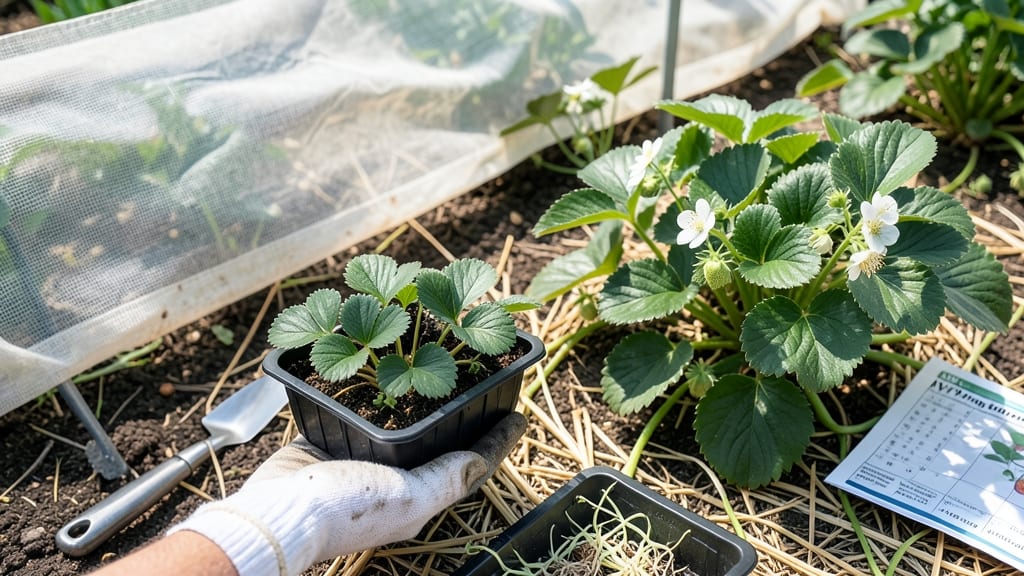
Planting strawberries at the wrong time in New York can mean the difference between a bountiful harvest of sweet 🍓 and struggling plants that never quite thrive.
The key to success lies in understanding your specific USDA zone—whether you're in the cooler Zone 5b of Upstate or the milder Zone 7a near NYC—and when to put those roots in the ground.
For most gardeners in New York, the ideal window opens in late April to early June for spring planting, or shifts to August through September for fall. But timing isn't just about the calendar—it's about soil temperatures, frost dates, and whether you're growing June-bearing or everbearing varieties.
Get it wrong, and you might end up with weak plants that struggle to establish before summer heat or winter cold sets in.
I’ve learned the hard way that rushing the process—planting too early when the soil is still cold or too late when days grow short—can leave your strawberries vulnerable. The right approach ensures strong root growth, better disease resistance, and a harvest that stretches from June through September.
Let’s break down exactly when and how to plant for your corner of New York.
Whether you’re a first-time gardener or a seasoned pro, these insights will help you avoid common mistakes and maximize your strawberry yield. Ready to dig in?
Best planting times for strawberries in New York by Zone (4-7)
New York's diverse climate zones (4-7) create distinct windows for planting strawberries, but the key is soil temperature—roots need 40°F+ to establish before spring frost risks. June-bearing varieties thrive with early spring planting, while everbearing types benefit from fall planting for staggered harvests.
Upstate NY (Zone 4-5) has shorter windows than NYC (Zone 7a), so timing is critical to avoid winter kill.
For June-bearing strawberries, aim to plant 4-6 weeks before last frost (typically late April to early May in most of NY).
Everbearing varieties, however, can handle fall planting in August-September, giving you berries the following spring. Soil warmth is more important than air temperature—use a soil thermometer to confirm 50°F+ at 4" depth before planting.
Here’s how your USDA zone affects timing:
In Zone 4-5, where winters are harsh, focus on hardy June-bearing varieties like Honeoye, which tolerate -20°F with proper mulching. Everbearing types (e.g., Seascape) can extend your harvest but may need winter protection.
For Zone 7a, everbearing varieties like Albion thrive with fall planting, producing fruit in both spring and fall.
If you miss the spring window, don’t panic—fall planting (August-September) works well for everbearing types. The goal is to give plants 6-8 weeks to establish roots before winter dormancy. Avoid planting in late summer (after August 15), as new roots won’t harden off in time for cold snaps.
Use straw mulch (4-6 inches) to insulate roots and prevent heaving.
For container gardening, adjust timing by 2-3 weeks earlier—pots warm up faster in spring. Place containers in south-facing spots and use black plastic mulch to raise soil temperature. Bare-root plants (cheaper and hardier) should be soaked for 1-2 hours before planting, while potted plants need minimal root disturbance.
Watch for false springs—warm spells in March can trick you into planting too early. Wait until nighttime temps stay above 40°F consistently. NY’s variable climate means Upstate gardeners should err on the later side of the window, while NYC gardeners can plant earlier thanks to milder winters.
Always check your local Cooperative Extension Service for zone-specific frost dates.
Once planted, water deeply for the first 2 weeks to encourage root growth. Drip irrigation is ideal—it keeps foliage dry, reducing fungal diseases like gray mold. In Zone 6-7, where summers are hot, provide afternoon shade during July to prevent sunscald on berries.
Everbearing varieties will reward you with fruit in both seasons if planted correctly!
Timing strawberries right in New York isn’t just about the calendar—it’s about soil warmth, frost dates, and variety choice. With these strategies, you’ll enjoy sweet, abundant berries from June through September, whether you’re in cold Zone 4 or mild Zone 7a. Happy planting! 🍓
How to prepare strawberry plants for New York’s climate before planting
New York’s variable climate demands careful prep before planting strawberries. From soil pH adjustments to frost protection, these steps ensure your plants thrive. Start by testing your soil pH—strawberries prefer 5.5 to 6.8.
If your soil is too acidic, amend it with lime; for alkaline soil, add sulfur or peat moss. This adjustment prevents nutrient deficiencies and boosts root growth.
Next, choose the right strawberry variety for your region. June-bearing types like Jewel or Honeoye produce a single heavy harvest, ideal for USDA Zone 5-6. Everbearing varieties like Seascape or Albion yield fruit in two seasons, perfect for Zone 7 and warmer areas.
Everbearers tolerate New York’s shorter growing seasons better.
If you’re planting bare-root strawberries from a nursery, harden them off for 7-10 days before transplanting. Place them in a shady, sheltered spot and gradually expose them to direct sunlight and wind.
This mimics outdoor conditions and reduces transplant shock. For potted plants, avoid letting them sit in waterlogged soil before planting.
⚠️ callout warning
New York’s last frost date varies by region—April 15 in southern NY to May 15 in northern NY. Planting bare-root strawberries 4-6 weeks before the last frost ensures roots establish before hot summer stress. Fall planting should happen 6-8 weeks before the first frost (mid-September in most areas) to allow root growth before winter.
Pro Tip: Use row covers or mulch to protect young plants from late spring frosts (common in Zone 5-6).
Before planting, enrich your garden bed with compost or aged manure to improve drainage and fertility. Strawberries hate waterlogged soil, so raise beds or amend heavy clay with sand or perlite.
Space plants 12-18 inches apart in rows 2-3 feet apart to allow airflow and pest control. For container gardening, use pots at least 12 inches deep with drainage holes.
Frost protection is key, especially for early spring plantings. After planting, apply a 2-3 inch layer of mulch (straw or shredded leaves) to insulate roots. In Zone 5-6, use frost blankets or row covers on nights when temperatures drop below 28°F.
For fall-planted strawberries, cover plants with straw mulch before the first frost to prevent root heaving.
Finally, water deeply after planting to settle soil around roots, but avoid overwatering, which can cause rot. In New York’s humid summers, water in the early morning to reduce fungal diseases like gray mold.
Within 2 weeks, your strawberries should show new growth—a sign they’re rooting successfully.