
Flowers
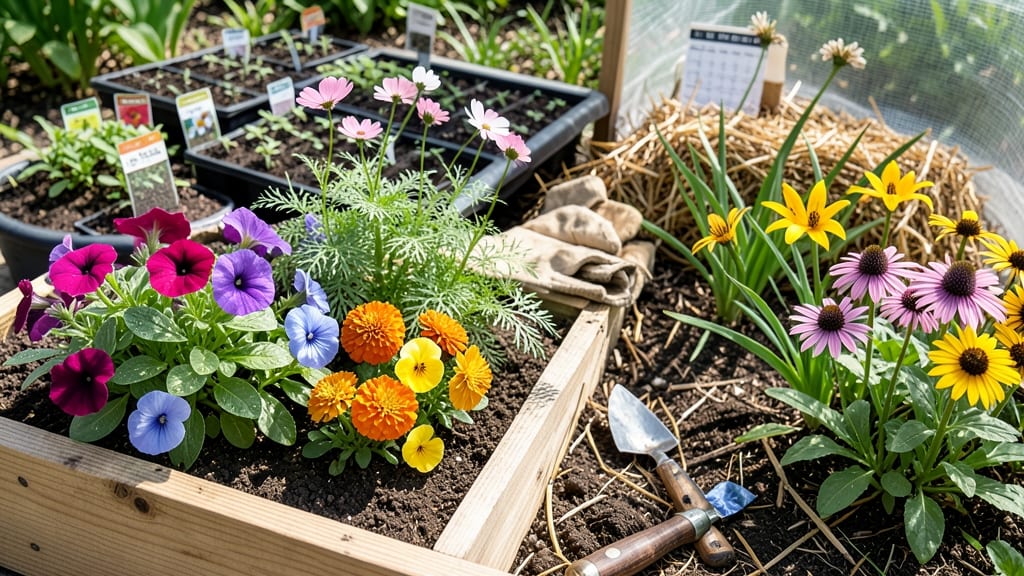
Timing your flowers planting in New York isn’t just about picking a month—it’s about beating frost, avoiding heat stress, and unlocking the full potential of your garden. Whether you’re in Zone 6 Upstate or Zone 7 NYC, getting the window right means the difference between vibrant blooms and wilted disappointment.
I’ve spent years watching my 🌸 perennials and annuals thrive (or struggle) based on when they hit the soil. The key? Planting after your last frost—typically mid-April to early May—but also knowing when to start bulbs in fall or tuck in cold-hardy pansies for early spring color.
Miss these timelines, and you’ll either lose plants to late frosts or watch them bolt in summer’s heat.
What you’ll discover here is a region-specific breakdown of planting windows tailored to New York’s microclimates. From NYC’s urban heat islands to Upstate’s cooler nights, we’ll cover exactly when to sow seeds, transplant seedlings, and even adjust for short-season varieties that need a head start.
Ready to transform your garden into a year-round burst of color? Let’s dive into the exact months, frost dates, and pro tips that’ll have your flowers blooming like never before—no guesswork, just results.
Best flower planting calendar for New York’s USDA zones 6-7
New York’s USDA Zones 6-7 offer a short but vibrant growing season, making timing critical for flower success. The last frost date varies—April 15 in NYC but as late as May 15 in Upstate—so adjust planting based on your location.
Heat-sensitive varieties like marigolds need precise timing, while hardy coneflowers can handle a wider window.
Spring is the prime planting season for most flowers, but fall planting (4-6 weeks before first frost) works for bulbs and perennials. NYC’s urban heat island can delay frost, while Upstate areas may experience earlier cold snaps. Always check your local frost date averages to avoid surprises.
🌱 Key Tip: Start cool-season flowers like pansies in early spring or late summer for fall blooms. Warm-season varieties (e.g., petunias) should wait until after last frost to thrive.
For NYC gardeners, the urban heat island effect can push last frost dates 1-2 weeks later than Upstate regions. Use row covers in early spring to protect tender seedlings from unexpected late frosts. In Upstate areas, prioritize early-spring planting for perennials to establish roots before summer heat.
My go-to strategy is to plant cool-season flowers like pansies and snapdragons in late summer for fall blooms. These thrive in cooler temps and add color when summer annuals fade. Pair them with hardy mums for a long-lasting display.
🌷 Pro Tip: Use mulch after planting to retain soil moisture and regulate temperature. Organic mulch (like straw) also suppresses weeds, saving you time in the garden.
Heat-sensitive varieties like geraniums and zinnias should be planted after Memorial Day
How to adjust planting times for New York’s microclimates
New York’s diverse microclimates can shift planting windows by weeks—even within the same USDA Zone. For example, NYC’s concrete jungles trap heat, delaying last frosts by 10-14 days compared to Upstate’s cooler valleys.
Meanwhile, lake-effect cooling near the Great Lakes can push first frosts earlier in autumn. Understanding these variations lets you extend your growing season and protect heat-sensitive flowers like tropical marigolds.
My go-to rule? Adjust planting dates by 1-2 weeks earlier in cooler microclimates (e.g., Adirondacks) and 1-2 weeks later in urban heat zones (e.g., Brooklyn).
For instance, if your last frost is May 1 but your neighbor’s is April 15, hold off on planting petunias until late April to avoid frost damage. This small tweak can mean the difference between wilted seedlings and lush blooms.
Here’s how three key microclimates affect your planting schedule—and how to adapt:
For heat-loving flowers like black-eyed Susans or zinnias, I recommend waiting until after May 15 in NYC to avoid wilting from early summer heat. But in cooler microclimates, start seeds indoors 6–8 weeks before your last frost to give them a head start.
For example, if your last frost is May 1, begin geranium seeds around March 15.
Extend your season with row covers or cold frames—these tools can push your planting window by 3–4 weeks in spring and 2–3 weeks in fall. I’ve used floating row covers to protect pansies in early April, letting me enjoy blooms 6 weeks earlier than the average gardener.
Just remember to remove covers during pollination days to let bees do their job!
Pro tip: Monitor your local microclimate by tracking frost dates for 3 years. Keep a garden journal noting when frost hits and when flowers bloom—this data will help you fine-tune your planting schedule year after year.
With these adjustments, you’ll beat frost, avoid heat stress, and enjoy longer bloom times in even the trickiest New York gardens. 🌿