
Flowers
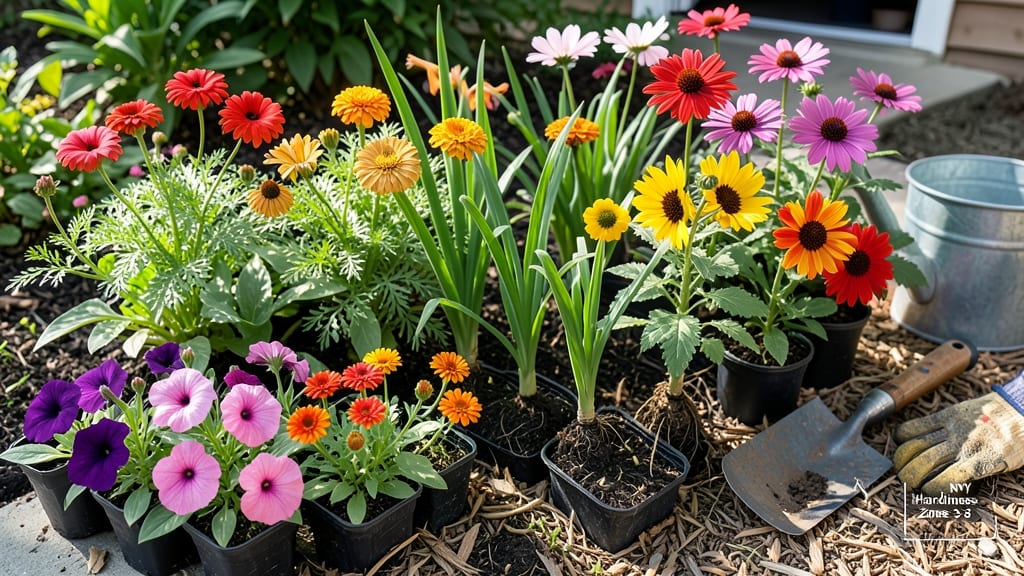
Timing your flower planting in New York’s unpredictable climate can mean the difference between a vibrant garden and a frost-killed disaster—but knowing the right windows for each flower type makes it simple.
With USDA Zones 5 through 7 across the state, from Upstate’s colder regions to NYC’s urban heat islands, the last frost dates shift dramatically. Whether you’re planting tulips in March or pansies in September, getting the timing right ensures your 🌱 flowers thrive year after year.
I’ve tested what works in my own garden, and the key is understanding your local frost dates—plus a few pro tips to push your planting windows just a little further. From soil prep to mulching, we’ll cover everything you need to know to make your garden bloom on schedule.
Let’s dive into the exact calendar you should follow, so you can enjoy a garden that’s always one step ahead of the weather—no guesswork required.
New York’s planting zones & frost dates: your 2024 flower calendar
New York’s USDA Zones 5-7 create a unique gardening challenge with varying frost dates across regions. In Zone 5 (Upstate), expect your last spring frost around April 15, while Zone 6/7 (NYC/Hudson Valley) typically sees frost-free conditions by May 1.
These differences mean your tulip bulbs in Albany may bloom weeks earlier than those in Brooklyn!
Understanding these frost date averages helps you time annuals, perennials, and bulbs perfectly. For example, cold-hardy pansies can handle light frosts, while tender marigolds need to wait until after May 15 in most areas.
Let’s break down the 2024 planting windows by zone and flower type to ensure your garden thrives.
Here’s your essential frost date guide for New York’s three key regions, including first frost projections for fall planting.
These dates are based on 30-year averages from the National Oceanic and Atmospheric Administration (NOAA), but always check local microclimates—urban areas like NYC can delay frost by 1-2 weeks.
For annual flowers, aim to plant after your last frost date—but some cold-tolerant varieties like snapdragons and stock can handle light frosts. In Zone 5, start hardy annuals in late April under frost cloth for early blooms.
Meanwhile, tender annuals like petunias should wait until after May 15 in all zones.
Perennials are easier to time since they establish roots over multiple seasons.
Plant spring-blooming perennials like peony and iris in early spring (March–April) or early fall (September–October) for best results. Summer-blooming perennials, such as coneflowers and black-eyed Susans, can go in as early as April 15 in Zone 5 or May 1 in Zone 7.
Bulbs like tulips and daffodils need cool soil to bloom well, so plant them in fall (October–November).
In Zone 5, aim for mid-October before the ground freezes, while Zone 7 gardeners have until early November. Spring-planted bulbs, like crocuses, can go in as early as March in Zone 7 or April in Zone 5.
Fall planting is your second chance to add color! In Zone 5, plant cool-season annuals like pansies and kale (yes, it’s a flower-like edible!) by August 15 for winter blooms.
In Zone 7, you can extend this window until September 30. Use row covers to protect tender plants from early frosts in October.
Pro tip: Track your local frost dates using NOAA’s Climate Data or apps like PlantNet. Urban areas like NYC often have later frosts due to heat islands, while rural Upstate can see frost 2 weeks earlier. Adjust your planting schedule accordingly—your gardening success depends on it!
Remember, soil temperature matters just as much as air temperature. Use a soil thermometer to confirm 50°F+ for planting warm-season flowers like geraniums and salvias. In Zone 5, this might not happen until late May, while Zone 7 can start as early as April 30.
Best flowers to plant by month in New York (with frost-proof tips)
New York’s variable climate demands a strategic planting schedule, but with the right flowers and timing, you can enjoy blooms from spring tulips to fall mums. The key is selecting cold-hardy varieties and using frost protection when needed.
For example, pansies can handle light frosts, while tender annuals like marigolds need to wait until after the last frost.
I’ve broken down the best month-by-month planting for New York’s USDA Zones 5–7, including frost-proof tips like using frost cloths or choosing early-blooming bulbs. Whether you’re a beginner or a seasoned gardener, this guide will help you maximize your garden’s potential year-round.
🌱 Monthly Planting Guide for New York Gardens
- 🌷 March: Plant tulip and daffodil bulbs (Zone 5: after frost; Zone 6/7: late March). Use frost cloth if late frosts threaten.
- 🌿 April: Sow hardy annuals like pansies and snapdragons (Zone 5: after last frost; Zone 6/7: early April). Start perennials like coneflowers indoors.
- 🌸 May: Plant tender annuals (e.g., petunias, zinnias) after May 15 (average last frost date). Mulch to retain moisture.
- ☀️ June–July: Transplant heat-loving flowers like black-eyed Susans and sunflowers. Deadhead spent blooms for continuous flowers.
- 🍂 August: Sow cool-season crops like aster and chrysanthemum for fall color. Use row covers to extend blooming.
- 🌧️ September: Plant bulbs for spring (e.g., crocus, hyacinth) and pansies for winter color. Apply mulch to protect roots.
- ❄️ October–November: Cover tender perennials (e.g., lavender) with straw mulch. Plant spring-blooming bulbs before ground freezes.
For urban gardeners in NYC, microclimates can push planting windows by 2–4 weeks. South-facing walls and rooftop gardens often stay warmer, allowing you to plant tender annuals like geraniums earlier. Meanwhile, Upstate gardeners should wait until mid-May for heat-loving flowers to avoid frost damage.
Pro tip: Use frost cloth or row covers to protect young plants during unexpected late frosts. I’ve saved countless pansies and snapdragons by covering them on cold nights—just remove covers during the day for airflow.
Always check your local last frost date (typically May 15 in NYC, May 1 in Upstate) for accuracy.
Don’t forget to mulch heavily in fall to insulate bulbs and perennials from winter’s chill. A 3-inch layer of straw or leaves can make all the difference between a frost-killed garden and one that reblooms beautifully in spring.
With these strategies, your garden will stay vibrant year-round—no matter what New York’s weather throws your way.