
Plants
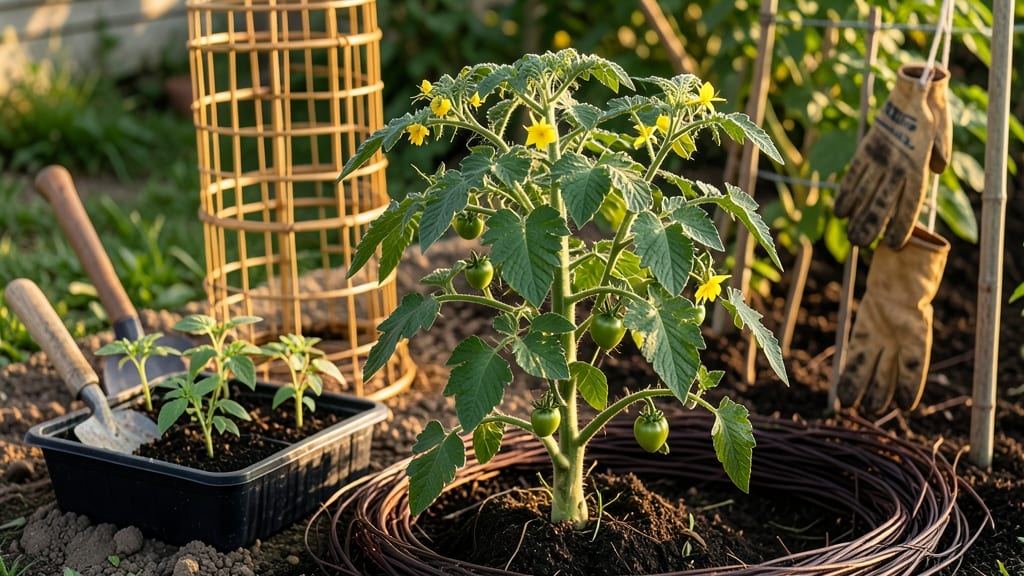
Planting your 🍅 tomatoes at the wrong time in North Carolina can mean the difference between a bountiful harvest and a sad, frost-nipped disappointment. The exact window depends on your county's heat zone—whether you're in the cooler mountains or the warmer coastal plains—so timing is everything.
Most gardeners in NC's 6a-8b zones know the general rule: wait until after the last frost, but that's not the whole story. In western NC, you might plant as early as April 15, while coastal areas can safely start in late May.
Getting this right means healthier plants and bigger yields when summer rolls around.
I'll break down the precise frost-free timelines by region, so you know exactly when to pop those seedlings in the ground—or when to start seeds indoors for an early jumpstart.
Whether you're a seasoned gardener or just starting, these insights will help you avoid common mistakes and maximize your tomato harvest.
Ready to grow the juiciest, most productive tomatoes in your backyard? Let's dive into the best planting strategies tailored just for North Carolina's unique climate zones.
NC county heat zones: exact planting dates for tomatoes by region
North Carolina’s USDA heat zones (5a-8b) create dramatic differences in tomato planting windows—from Asheville’s cooler mountains (Zone 6a) to coastal Wilmington’s Zone 8b. Planting too early risks frost damage, while waiting too long cuts your harvest season short.
I’ll break down the exact frost-free timelines for your region, including transplant dates and seed-starting windows to maximize your yield.
Tomatoes thrive in 60°F+ soil temperatures and need 180-240 frost-free days to mature. Coastal areas like Wilmington and Morehead City (Zone 8a-8b) can start transplants as early as March 15, while Asheville and Boone (Zone 6a-7a) should wait until May 1 to avoid late-spring frosts.
Let’s dive into the region-specific planting charts to pinpoint your ideal window.
| Region | USDA Zone | Last Frost Date | Transplant Window | Seed Start Indoors | Harvest Window |
|---|---|---|---|---|---|
| Coastal (Wilmington, Morehead City) | 8a-8b | February 15 - March 1 | March 15 - April 15 | February 1 - March 15 | June 1 - October 15 |
| Piedmont (Raleigh, Greensboro, Charlotte) | 7a-7b | March 15 - April 1 | April 15 - May 1 | March 1 - April 15 | June 15 - September 30 |
| Mountains (Asheville, Boone, Brevard) | 6a-7a | April 1 - April 15 | May 1 - May 15 | March 15 - April 30 | July 1 - September 15 |
| Sandhills (Fayetteville, Sanford) | 7b-8a | March 1 - March 15 | March 30 - April 30 | February 15 - March 30 | June 10 - October 1 |
| Triad (Winston-Salem, High Point) | 7a-7b | March 15 - April 1 | April 15 - May 1 | March 1 - April 15 | June 20 - September 25 |
*Adjust dates 1-2 weeks earlier for greenhouse starts or row covers.
For Raleigh (Zone 7b), the ideal transplant window is April 15-May 1, giving you a June-September harvest.
If you’re in Charlotte (Zone 7b-8a), you can push transplants to March 30-April 15 for an earlier start. Asheville gardeners (Zone 6a-7a) should wait until May 1 to avoid late-spring frosts that can devastate young plants.
Coastal areas like Wilmington (Zone 8b) enjoy a longer growing season, allowing for two planting windows: early (March 15) and late (June 15). Use heat-tolerant varieties like ‘Solar Fire’ for late-season success.
In mountain regions (Zone 6a), focus on early-maturing varieties like ‘Stupice’ to finish before the first frost.
Pro tip: Use black plastic mulch to warm soil faster, especially in cooler zones (6a-7a). This can extend your transplant window by 1-2 weeks by raising soil temperatures to 60°F+ earlier in the season. Pair this with row covers for an extra 2-4°F protection against late frosts.
If you’re in Zone 7a or warmer, consider a second planting in early June for a fall harvest. Choose determinate varieties like ‘Roma’ or ‘Celebrity’ for compact growth and earlier fruit production. For Zone 6a, stick to one planting and prioritize cold-hardy varieties like ‘Mountain Merit’.
Always check your local extension office for microclimate adjustments. A south-facing slope might warm up 1-2 weeks earlier than your average last frost date, while a low-lying area could hold frost longer. Use a soil thermometer to confirm 60°F+ soil temps before transplanting.
Remember: Tomatoes hate cold feet. Even if air temps are warm, cool soil will stunt growth. Amend your beds with compost to improve warmth retention, and avoid planting in shady spots where soil stays cooler longer.
With these region-specific timelines, you’ll be harvesting juicy, vine-ripened tomatoes all season long.
How to adjust tomato planting for NC’s microclimates and frost patterns
North Carolina’s microclimates create big differences in frost risk—what works in Asheville’s cooler mountains won’t suit Coastal Plain’s humid heat. Late-spring frosts can still hit Piedmont in May, while western NC’s high elevations face earlier freezes.
The key? Adjusting your planting timeline and using protective tools to match your local patterns.
In Zone 6a (mountains like Boone), start transplants indoors by March 1 and harden off by April 15. But in Zone 8a (coastal areas), you can plant directly outdoors until June 1.
The Piedmont’s mixed zones (7a-7b) need a middle approach—row covers extend the season by 2-3 weeks if frost lingers.
⚠️ callout warning
🌡️ Late-Spring Frost Warning
Piedmont and Coastal Plain see 50% frost risk through May 10. Use floating row covers or cold frames to protect young plants. In western NC, frosts can hit until June 1—opt for early-maturing varieties like ‘Mountain Merit’ (60 days).
Soil temp matters more than air temp: Tomatoes need 60°F soil to thrive. Test with a soil thermometer—cool nights slow warming.
For cooler zones (6a-7a), try greenhouse starts or black plastic mulch to warm soil 5-10°F faster.
In Zone 8a, succession planting every 2 weeks ensures a steady harvest—plant early varieties in April and heat-tolerant types in June. Dwarf varieties (like ‘Tiny Tim’) work well in containers for urban gardens where microclimates shift quickly.
Row covers are your best friend for frost-prone areas. Lightweight fabric raises temps by 5-8°F and blocks 32°F frosts. Secure edges with bricks or soil to prevent wind damage. Remove covers by late May to avoid heat stress—tomatoes need pollination from bees, and covers can trap too much warmth.
Western NC gardeners should prioritize cold-hardy varieties like ‘Stupice’ (tolerates 28°F) or ‘Glacier’ (70-day hybrid). In coastal areas, heat-tolerant picks like ‘Solar Fire’ thrive in 90°F+ temps. Always mulch heavily (straw or grass clippings) to retain moisture—drought stress reduces yields by 30-50% in NC’s summer heat.
Monitor local frost alerts via the NC State Climate Office or NOAA’s Frost Prediction Map.
In Asheville, aim for May 10 as your last transplant date; in Wilmington, push to June 15. Container gardeners can extend seasons by 2-4 weeks with black pots (absorb heat) and move plants to sunny spots as the sun shifts.