
Plants
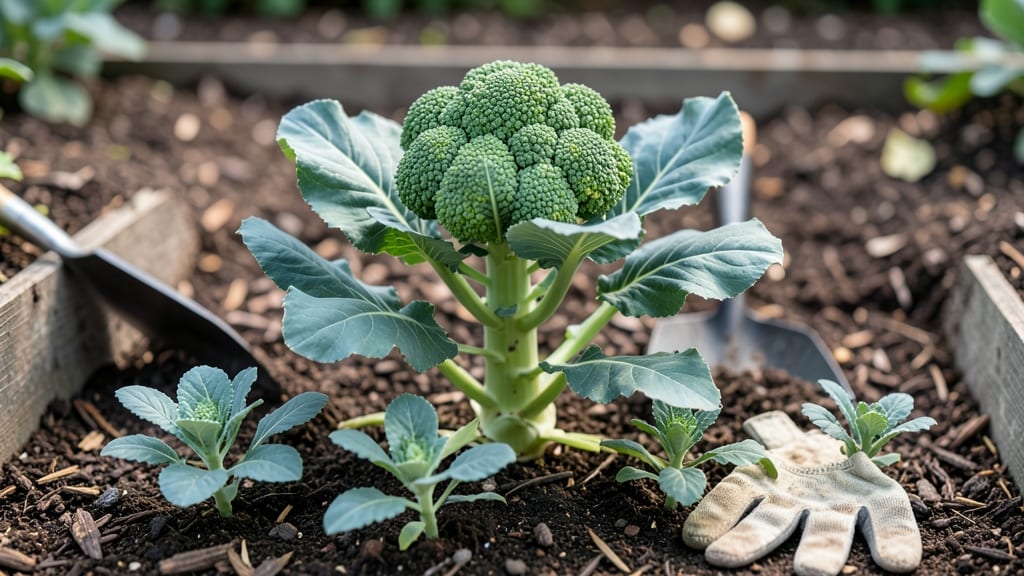
Planting broccoli 🥦 at the wrong time in Illinois can turn your garden dreams into a sad, wilted mess—especially when frost sneaks in earlier than expected. The key to success lies in knowing your county's frost-free deadlines, which can shift dramatically from Chicago's cooler climate to southern Illinois' warmer stretches.
I've learned the hard way that timing matters more than you'd think. Whether you're starting seeds indoors or popping in transplants, getting it right means the difference between a June harvest of crisp, vibrant heads and a fall garden that bolts too soon.
Let me walk you through the exact windows that work for Illinois' USDA Zones 5-6, so you can plan with confidence.
Spring plantings should begin by March 15, but don't wait past April 30—late starters often miss the frost window entirely. For fall, the magic happens between August 15 and September 15, when days grow shorter and temperatures dip just enough to trigger sweet, slow-growing heads.
We'll also cover how to adjust for your specific corner of the state, whether you're dealing with Chicago's lake-effect chill or southern Illinois' stubborn heat. Plus, I'll share the one mistake that ruins more Illinois broccoli gardens than any other—and how to avoid it completely.
Illinois broccoli planting deadlines by county: frost-free zones and best months
Timing your broccoli planting in Illinois requires precision, especially when navigating the state's USDA Zones 5-6 and microclimates that can vary dramatically. Northern counties like Cook (Chicago) often see frost lingering until May 15, while southern Illinois counties like St. Clair can push frost-free dates to April 1.
These differences mean your planting window could shift by 6 weeks depending on where you live.
For spring plantings, I recommend starting seeds indoors 4-6 weeks before your county's last frost date. Transplants should go into the ground 2-3 weeks after that date to give young plants time to establish roots before summer heat arrives.
Fall plantings, on the other hand, need to happen 80-90 days before your first frost to ensure mature heads before winter sets in.
Here’s how Illinois counties break down by frost-free zones and ideal planting windows:
If you're in northern Illinois, like Cook or DuPage counties, aim to plant spring broccoli by May 1 to avoid summer bolting. For fall, stick to early August plantings to ensure harvests before the first frost in mid-October.
Southern counties like St. Clair can push their fall planting window into mid-September, giving you a second chance at harvests in late October or early November.
Microclimates play a huge role in Illinois gardening. For example, Chicago's lake-effect can delay frost by 1-2 weeks compared to inland areas. If you're near Lake Michigan, consider planting 1 week later than the county average.
Conversely, urban heat islands in cities like Springfield can push frost dates earlier, so adjust your fall planting window accordingly.
One critical mistake I see Illinois gardeners make is planting broccoli too early in northern counties. Seeds sown in February or early March often rot in cold, wet soil. Instead, wait until soil temperatures reach 40°F (4°C) and use row covers to protect young seedlings from late frosts.
For southern Illinois, where frost arrives later, you can start seeds as early as February 15 under cover.
For both spring and fall plantings, choose cold-hardy varieties like 'Waltham 29' or 'De Cicco' to maximize your harvest window. These varieties tolerate cooler temperatures better than standard types, which is essential for Illinois' unpredictable weather
How to extend your broccoli harvest in Illinois: fall planting strategies for late-season success
Fall planting is your secret weapon for a second broccoli harvest in Illinois—when done right, you can enjoy crisp heads well into October or November. The key? Starting between August 15 and September 15 with cold-hardy varieties that thrive in cooler weather.
I’ve found that 'Waltham 29' and 'De Cicco' are the most reliable choices for our state’s USDA Zones 5-6, as they handle light frosts beautifully while still delivering sweet, tender florets.
Unlike spring plantings, fall broccoli doesn’t bolt from heat—it actually prefers cooler temperatures (50–75°F) to develop those tight, flavorful heads. But timing is everything: Plant too early, and your crop might mature before frost; too late, and you’ll miss the window entirely.
Let’s break down the exact steps to maximize your harvest, from soil prep to protective covers that can push your season even later.
🌱 Fall Broccoli Planting Checklist for Illinois
- 📅 August 15–September 15: Start seeds indoors or transplant 4–6 weeks before first frost (aim for late August in northern IL, early September in southern regions).
- 🌡️ Soil temp: Wait until soil cools to 70°F or below—use a soil thermometer to avoid stunted growth.
- 🌱 Variety: Choose 'Waltham 29' (compact heads) or 'De Cicco' (Italian heirloom, great for fall).
- 🛡️ Row covers: Install floating row covers by late September to protect from 25°F+ frosts and extend harvest.
- 💧 Watering: Reduce frequency in fall but keep soil consistently moist—drought stress causes bolting.
For soil preparation, focus on drainage—Illinois’ clay-heavy soils can suffocate roots if compacted. Amend with 2–3 inches of compost and work in a balanced fertilizer (10-10-10) at planting. Broccoli loves well-draining, slightly acidic soil (pH 6.0–7.0), so test your beds before planting.
I’ve had the most success with raised beds in heavy-clay areas, as they warm up faster in spring and drain better in fall.
Succession planting is another game-changer for fall harvests. Instead of one big planting, stagger your seeds every 2 weeks from mid-August to early September. This ensures a steady supply of fresh broccoli as older plants mature.
For example, plant a batch on August 15, another on August 30, and a final one on September 15. This way, you’ll have harvests spanning October through November, even if a late frost hits.
Protective row covers are non-negotiable for Illinois gardeners pushing the fall season. Lightweight fabric (like Agribon) can shield plants from 25°F temperatures and even light frosts. Install covers in the evening and remove them during the day to prevent overheating.
I’ve extended my harvest by 3–4 weeks using this method, and the flavor of frost-tender broccoli is unbeatable. Just remember to secure the edges with bricks or soil to keep out pests like cabbage moths.
Finally, don’t overlook the power of companion planting. Broccoli pairs beautifully with bush beans, celery, and onions, which deter pests and improve growth. Avoid planting near tomatoes or strawberries, as they compete for nutrients.
If space is tight, interplant with spinach or kale—both thrive in the same conditions and provide a year-round harvest.
With these strategies, you’ll turn Illinois’ unpredictable fall weather into your advantage. A well-timed fall planting can give you just as much broccoli as your spring crop—without the summer bolting headaches. Happy growing! 🥦