
Plants
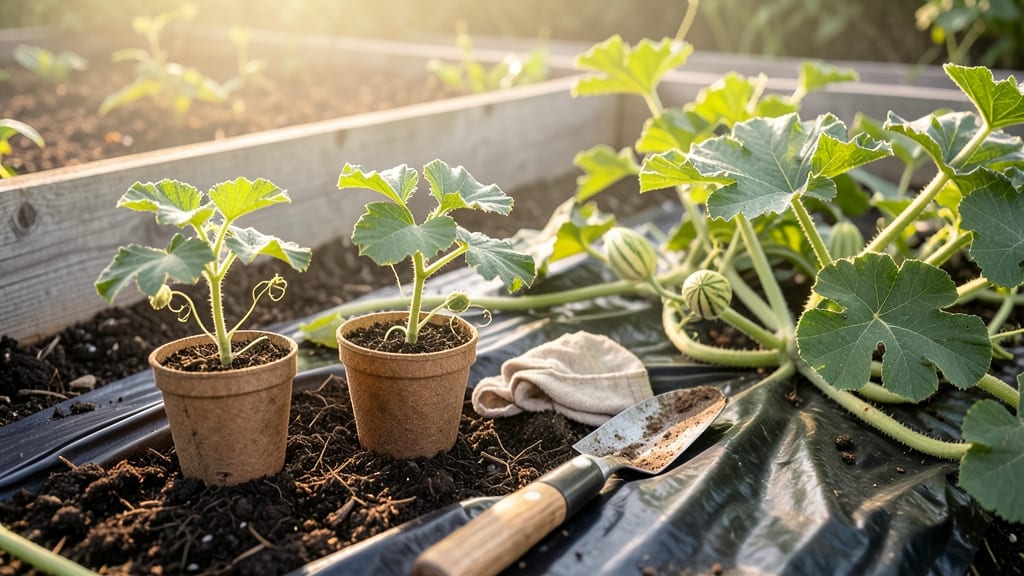
Planting watermelon in Missouri isn't just about dropping seeds in the dirt—it's about catching that perfect window when soil warms and frost fears fade. Get the timing wrong, and you might end up with wilted vines or underripe fruit before summer's over.
In USDA Zones 5b-6b, watermelon (🍉) thrives when soil hits 70°F or higher, which typically means waiting until late April or May after the last frost. But Missouri's climate varies wildly from St. Louis to the Ozarks, so knowing your local microclimate makes all the difference.
Whether you're a first-time gardener or a seasoned grower, I'll walk you through Missouri-specific planting strategies—from direct sowing to transplanting, and how to stretch your growing season if you're in a cooler pocket of the state. Let's make sure your watermelon patch becomes the star of your summer.
Ready to grow watermelons that rival the ones at the farmers' market? The key is starting strong, and that begins with planting at the right moment. Let's dive into the details that'll set you up for success.
Optimal Missouri watermelon planting dates by soil temperature & frost risk
Missouri's varied climate—from the humid Southeast to the cooler Northwest—means one-size-fits-all planting advice won't work for watermelons. Soil temperature and frost risk dictate your best window, and missing these cues can lead to stunted growth or failed harvests.
For example, St. Louis' last frost typically arrives by April 15, while Kansas City often waits until May 1—a difference that impacts when to plant.
Watermelons thrive when soil temperatures consistently stay between 60°F and 85°F. Planting too early in cold soil (below 60°F) slows germination, while waiting too long (after June 15) risks immature fruit before frost.
Missouri's USDA Zones 5b-6b further complicate timing, especially for gardeners in the Ozarks or Bootheel regions where nights remain chilly longer.
Here’s your region-specific planting guide based on soil warmth and frost-free dates, plus the ideal varieties for each area to maximize success.
| Region | Last Frost Date | Optimal Planting Window | Soil Temp Threshold | Best Varieties |
|---|---|---|---|---|
| St. Louis (Zone 6a) | April 15 | Late April to early May | 65°F+ (consistent) | Sugar Baby, Crimson Sweet |
| Kansas City (Zone 6b) | May 1 | Mid-May | 70°F+ (minimum) | Charleston Gray, Jubilee |
| Southeast MO (Zone 6b-7a) | March 25 | Early April (with row covers) | 60°F+ (early start) | Crimson Sweet, Black Diamond |
| Northwest MO (Zone 5b) | May 10 | Late May | 75°F+ (warm soil) | Sugar Baby, Golden Midget |
| Ozarks (Zone 6a) | April 25 | Early May | 68°F+ (moderate) | Jubilee, Crimson Sweet |
For gardeners in St. Louis or the Southeast, where frost arrives earlier, opt for early-maturing varieties like Sugar Baby (60-70 days to harvest). These areas can also benefit from black plastic mulch to warm soil faster.
Meanwhile, Kansas City and Northwest Missouri gardeners should wait until soil hits 70°F+—using a soil thermometer—to avoid poor germination.
Missouri’s humid summers also mean watermelons face higher risks of powdery mildew if planted too late. Aim to have fruit set by mid-July to avoid fungal issues. In cooler zones like the Ozarks, consider row covers for early starts, but remove them once vines appear to prevent overheating.
Pro tip: Test your soil’s warmth with a soil thermometer at a depth of 2 inches. If it’s below 65°F, wait—even if the air feels warm. Cold soil delays germination by weeks, leaving you scrambling to harvest before frost.
For direct sowing, plant seeds 1 inch deep and space them 6 inches apart in hills, with hills 3 feet apart to accommodate sprawling vines.
If you’re transplanting seedlings, start them indoors 4-6 weeks before your region’s last frost date. Harden them off for 7-10 days before setting them out after soil warms. Seedlings need full sun (6+ hours daily) and well-draining soil—amend heavy clay with compost to improve drainage and prevent rot.
Missouri’s late-summer heatwaves can stress watermelons, so mulch heavily with straw to retain moisture. Water deeply at the base in the morning to avoid fungal diseases like alternaria leaf spot, which thrives in damp foliage. Avoid overhead watering, especially after 6 PM, to let leaves dry quickly.
Finally, keep an eye on cucumber beetles, a common Missouri pest that transmits bacterial wilt. Use row covers early in the season or apply neem oil as a preventive spray.
With the right timing and care, you’ll be slicing into homegrown watermelons by August—just in time for summer’s peak!
Step-by-step watermelon planting timeline for Missouri’s growing zones
Missouri’s USDA Zones 5b-6b mean your watermelon planting schedule must balance soil warmth and frost-free dates. Early varieties need a head start, while late-season types can stretch harvests into September. Here’s how to time it perfectly for juicy, vine-ripened results—whether you’re direct-sowing or transplanting seedlings.
Start by testing soil temperature with a thermometer—watermelons thrive when soil reaches 70°F+. In Missouri, this typically happens by late April to mid-May, but northern regions (like St. Louis) may need to wait until early June.
Use black plastic mulch or row covers to warm soil faster in cooler areas.
Missouri’s microclimates create variations: Southeast zones (like Poplar Bluff) can plant 2-3 weeks earlier than Northwest areas (like Kansas City). Always check your local last frost date—most years, it’s around April 15, but erratic springs mean waiting until May 1 for safety.
- March 15-30: Start seeds indoors (if using transplants) in biodegradable pots with 70°F soil. Use a heat mat for faster germination.
- April 15: Prep garden beds—amend clay-heavy soil with compost and sand for drainage. Test pH (ideal: 6.0-6.8).
- April 30-May 15: Direct-sow seeds or transplant seedlings after soil hits 70°F. Space 2-3 feet apart in rows 5-6 feet apart for vine spread.
- May 15-June 1: Apply black plastic mulch or straw mulch to retain heat and moisture. Use drip irrigation to keep soil consistently moist.
- June 15: Fertilize lightly with 10-10-10 (1 tbsp per plant) to encourage vine growth. Avoid over-fertilizing—it reduces fruit quality.
- July-August: Monitor for pests like cucumber beetles. Use row covers early in the season to protect seedlings.
- August 15-September 1: Harvest when tendrils turn brown and the watermelon sounds hollow when tapped. Late varieties (like 'Moon and Stars') can stay in the ground until first frost.
For northern Missouri gardeners in Zone 5b, extend the season with row covers or a cold frame to plant 4-6 weeks earlier. Remove covers after last frost to prevent overheating. If you’re growing heirloom varieties like 'Sugar Baby', prioritize direct sowing—transplants struggle with root shock.
Pro tip: Mark your calendar for July 4th—this is the ideal time to start late-season varieties in Missouri’s warmer southern regions. By mid-August, you’ll see vines sprawling, and with proper care, you’ll have homegrown watermelons by Labor Day! 🍉