
Plants
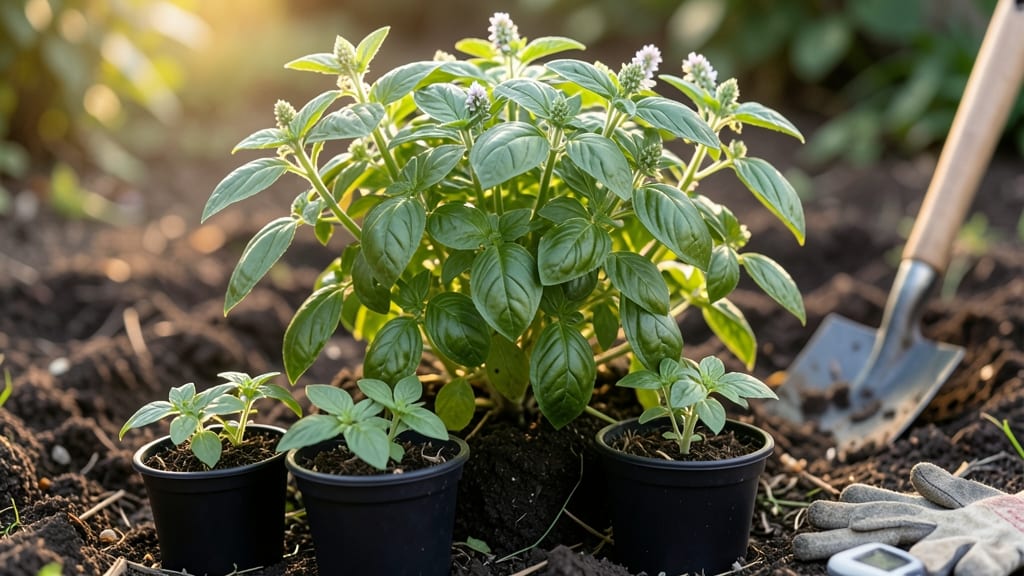
Planting basil in Missouri at the wrong time can turn your dream herb garden into a sad, stunted mess—but get the timing right, and you’ll enjoy flavorful leaves from June straight through October.
The key isn’t just waiting for frost-free days; it’s about soil warmth, daylight length, and even humidity levels that vary across the state’s 5b-6b zones. Skip the guesswork and learn exactly when to start seeds indoors or transplant seedlings outdoors for a thriving 🌿 basil harvest.
Missouri’s spring weather is famously unpredictable, with frost lingering into late April in some areas while warmer microclimates (like St. Louis) might be ready by mid-April. That’s why planting too early risks cold damage, while waiting too long cuts your harvest short.
I’ll break down the perfect planting window—from soil temperature checks to regional adjustments—so you can avoid common mistakes like transplant shock or bitter-tasting leaves.
Whether you’re a container gardener in Kansas City or a suburban plot grower in Springfield, this guide covers everything: when to start seeds indoors, how to harden off seedlings, and even how to extend your basil season past the first frost.
No more wasted effort—just lush, productive plants that reward you with fresh basil all summer long.
Ready to grow basil that tastes like a summer vacation? Let’s dive into Missouri’s frost-free timeline, soil prep secrets, and the one trick that keeps your basil thriving even when temperatures dip unexpectedly.
Missouri basil planting timeline: frost-free dates by region
Missouri’s basil planting success hinges on understanding your USDA hardiness zone (5b-6b) and local frost-free dates. Unlike heat-loving tomatoes, basil thrives only after soil warms to 50°F+—and Missouri’s spring can be deceptive.
Urban areas like St. Louis often warm faster than rural Springfield, creating microclimates where timing matters even more.
Container-grown basil adapts better to late starts than in-ground plants, but both need consistent warmth. Below, I’ve broken down region-specific frost dates and adjusted planting windows to maximize your harvest before Missouri’s first frost (mid-October).
🌱
For container gardening, you can push planting dates 1–2 weeks earlier because pots warm faster. Place containers near south-facing walls or use black plastic mulch to raise soil temperatures by 5–10°F.
In urban microclimates, asphalt and buildings create "heat islands" that can accelerate growth by 3–5 days—perfect for St. Louis balconies.
Missouri’s first frost typically arrives October 15, but container basil can often survive until November 1 if moved to protected spots (like near garage walls). To extend your harvest, succession plant every 2 weeks from May through early July, ensuring fresh leaves until frost.
Pro tip: Use a soil thermometer—basil seeds need 70°F+ to germinate, while seedlings tolerate 50°F+. If your soil is below 50°F by the recommended date, opt for transplants instead of direct sowing to avoid stunted growth.
🌿
Remember, basil hates cold. Even a light frost can kill your plants, so always check the National Weather Service for your local 10-day forecast before planting. When in doubt, wait 2 more weeks—your basil will thank you with bigger, tastier leaves.
For rural Missouri, where nights stay cooler, consider row covers or cold frames to create a microclimate. These can push your harvest window 2–3 weeks later, giving you basil well into late September.
Pair this with succession planting, and you’ll have fresh basil from June through October
Soil temperature & basil germination: Missouri-specific tips
Basil seeds need warm soil to germinate—70°F+ is ideal—but Missouri’s clay-heavy soils and unpredictable springs often delay warming. Unlike air temperature, soil warmth determines whether your seeds will sprout or rot.
In St. Louis (Zone 6a), soil may linger below 50°F until early May, while Southeast Missouri (Zone 7a) can reach readiness by late April. Urban gardens with pavement heat up faster than rural fields, so location matters.
Testing soil temperature is simple: use a soil thermometer (or a meat thermometer) inserted 2 inches deep in the morning. If readings are below 60°F, your seeds may fail to sprout or develop damping-off disease.
Basil seeds planted in cold soil often take 2-3 weeks longer to emerge, and seedlings are weaker, making them prone to pests like aphids.
Missouri’s heavy clay soils retain moisture but struggle to warm quickly. To speed up the process, amend your beds with compost or aged manure (2-3 inches mixed in) to improve drainage and heat retention.
For urban containers, use black plastic mulch or dark-colored pots—these absorb sunlight and raise soil temps by 5-10°F faster than bare soil. In raised beds, add straw mulch after planting to insulate roots.
⚠️ callout warning⚠️ Missouri’s Cold Soil Trap
Planting basil too early in Missouri’s clay soils leads to rotten seeds or stunted seedlings. Even if air temps feel warm, soil may still be too cold. Wait until soil hits 70°F+—use a thermometer!—or start seeds indoors 6-8 weeks before your last frost date for a head start.
If your soil isn’t ready, try seedling trays under grow lights indoors. Use a heat mat (set to 75°F) to mimic ideal germination conditions. Once seedlings have 2-3 true leaves, harden them off for 7-10 days before transplanting.
For direct sowing outdoors, wait until after Memorial Day in most of Missouri—this ensures soil warmth and reduces frost risk. In Southeast Missouri, you can push it to mid-April if soil temps are stable.
Organic amendments like worm castings or well-rotted compost not only warm soil faster but also improve microbial activity, which boosts seedling vigor. Avoid fresh manure—it can burn seeds and attract pests. For container gardens, mix in perlite or vermiculite to improve aeration and heat distribution.
If you’re in a shady microclimate, place pots in the sunniest spot you can find, even if it means moving them daily.
Once your basil is up, monitor soil moisture—consistently damp (not soggy) soil prevents stress. Mulch with straw or shredded leaves to lock in warmth and moisture. With these adjustments, you’ll bypass Missouri’s cold-soil delays and enjoy flavorful basil from June through October. 🌱