
Plants
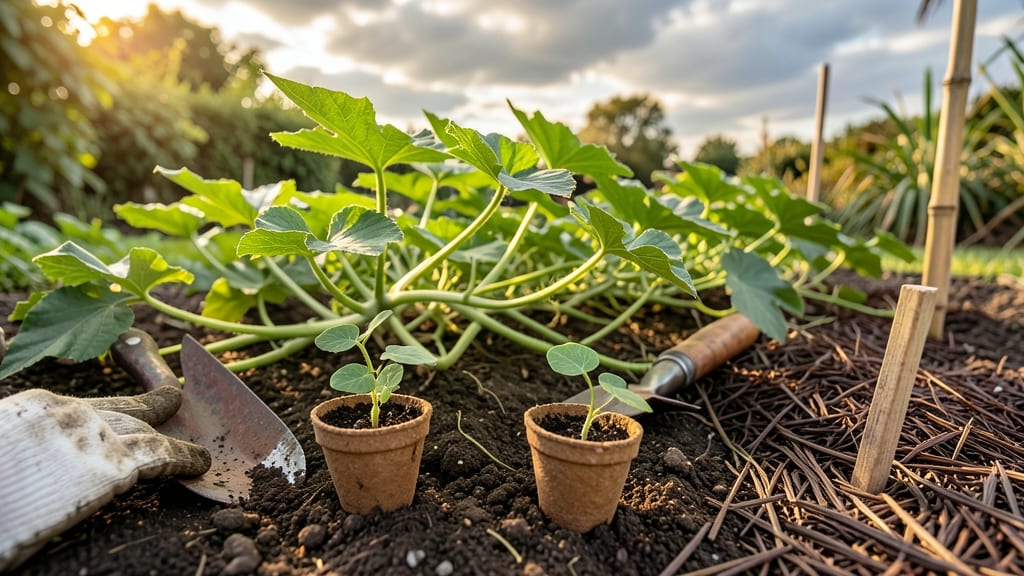
Planting watermelon in Ohio isn’t just about waiting for spring—it’s about catching that sweet spot between frost risk and scorching summer heat. Miss the window, and your 🍉 vines might bolt before fruiting, or worse, never even sprout in cold soil.
The key lies in understanding your USDA Zone 6a deadlines and soil temperature secrets that separate thriving harvests from wasted effort.
Most Ohio gardeners swear by planting after the last frost, typically between mid-April and early May, but there’s more to it than just dates. Your soil needs to hit at least 70°F—cold ground will leave seeds sitting like forgotten promises.
I’ve learned the hard way that rushing too early can mean stunted plants, while waiting too long risks a shorter growing season.
Here’s what you’ll discover: the exact planting timeline for Ohio’s two zones, how to prep your soil for maximum germination, and whether starting seeds indoors gives you that extra edge.
Plus, I’ll share my go-to varieties that thrive in Ohio’s climate and how to space them for the biggest, juiciest melons.
Whether you’re a first-time gardener or a seasoned pro, these insights will help you avoid common pitfalls and turn your backyard into a watermelon oasis. Let’s get those seeds in the ground at the perfect moment!
Ohio watermelon planting deadlines by USDA Zone 5-6 (with frost risk alerts)
Ohio’s USDA Zones 5-6 offer perfect conditions for growing sweet, juicy watermelons—but only if you plant at the right time. Miss the window, and you risk stunted growth or frost damage.
The key is understanding your last frost dates, soil temperature thresholds, and how to adjust for Ohio’s unpredictable early springs.
Watermelons thrive in warm soil, requiring temperatures of at least 75°F for germination. In Ohio, this typically means waiting until mid-May for Zone 5 and late April to early May for Zone 6.
However, these dates can shift based on your specific location within the state and whether you’re direct sowing or using transplants.
Here’s the critical timeline you need to know, broken down by zone and method:
| Zone | Last Frost Date | Soil Temp Threshold | Direct Sowing Window | Transplant Window | Frost Risk Alert |
|---|---|---|---|---|---|
| 5a/b | Mid-April | 75°F+ | Mid-May to early June | Late April to mid-May (hardened transplants) | High risk until June 1 |
| 6a/b | Late April | 75°F+ | Late April to early May | Early April to late April (hardened transplants) | Moderate risk until May 15 |
If you’re direct sowing seeds, wait until the soil reaches 75°F and all frost risk has passed. Use a soil thermometer to monitor—watermelon seeds won’t germinate in cooler soil. For transplants, start seeds indoors 3-4 weeks before your last frost date, then harden them off before moving outside.
Ohio’s early springs can be tricky. If you experience an unusually warm April, you might push your planting window earlier—but always verify with your local Cooperative Extension Service for frost risk alerts.
A late frost in May can wipe out young seedlings overnight, so err on the side of caution.
Pro tip: Use black plastic mulch to warm the soil faster and extend your planting window by 1-2 weeks. This method also suppresses weeds and retains moisture, giving your watermelons a head start. Just be sure to remove the mulch before harvest to avoid soil contamination.
For late varieties, you can even plant seeds in early July for a fall harvest. Choose shorter-season varieties like ‘Sugar Baby’ (70 days to maturity) to ensure they ripen before the first frost, typically around October 15 in Ohio.
Remember, watermelons need full sun (8+ hours daily) and well-draining soil. If your garden gets afternoon shade, consider container growing near a south-facing wall to maximize sunlight exposure.
Don’t let frost ruin your harvest—plan ahead, monitor soil temps, and you’ll be slicing into homegrown watermelons by mid-summer! 🍉
5 Critical factors that determine your Ohio watermelon success (beyond just dates)
Timing your watermelon planting in Ohio is just the first step—your soil health, sun exposure, and pest prevention can make or break your harvest. I’ve grown watermelons in USDA Zone 6a for years, and these five factors consistently separate the sweet successes from the bitter failures.
Let’s break down what truly matters beyond the calendar.
First, soil pH is non-negotiable. Watermelons thrive in slightly acidic to neutral soil with a pH between 6.0 and 7.0. Test your soil before planting—Ohio’s clay-heavy soils often need lime or sulfur adjustments.
I once planted in untested soil and ended up with stunted vines and tiny, seedy melons. A simple soil test kit (around $10) can save you from that heartbreak.
Next, full sun exposure is a must. These vines demand 8–10 hours of direct sunlight daily. In Ohio, that means planting in the southernmost part of your garden where shade from trees or fences is minimal.
I learned this the hard way when my first attempt near a tall oak produced only leafy vines and no fruit. If your space is limited, consider container growing near a south-facing wall.
Don’t overlook proper spacing. Each watermelon vine needs 3–4 feet of space in all directions to sprawl comfortably. Crowding leads to poor air circulation, which invites diseases like powdery mildew.
I’ve seen gardeners squeeze vines too close, only to watch their harvests rot before ripening. Plan for 6–10 feet of vine length per plant—these aren’t shy growers!
- ✅ Test soil pH (aim for 6.0–7.0)
- ✅ Amend soil with compost or aged manure (watermelons are heavy feeders)
- ✅ Choose a full-sun spot (no shade after 10 AM)
- ✅ Space vines 3–4 feet apart (account for 6–10 ft vine length)
- ✅ Set up row covers to deter cucumber beetles and squash vine borers
Ohio’s humid climate makes pest control a top priority. Squash vine borers and cucumber beetles are the biggest threats. I’ve used floating row covers early in the season to block beetles, then switched to neem oil sprays once flowers appeared.
For vine borers, I handpick eggs from leaves weekly—it’s tedious but effective. Crop rotation with non-cucurbit crops (like tomatoes or beans) also helps break their life cycles.
Finally, watering consistency is key. Watermelons need 1–2 inches of water weekly, but they hate soggy soil. I water deeply in the morning to reduce fungal risks, then mulch heavily to retain moisture.
Overwatering can lead to blossom-end rot or cracked fruit—both common mistakes I’ve seen in Ohio gardens. A drip irrigation system keeps roots evenly moist without wetting the leaves.
Master these five factors, and you’ll be well on your way to growing juicy, vine-ripened watermelons that put store-bought varieties to shame. The secret isn’t just when you plant—it’s how you prepare the groundwork for success. 🍉