
Plants
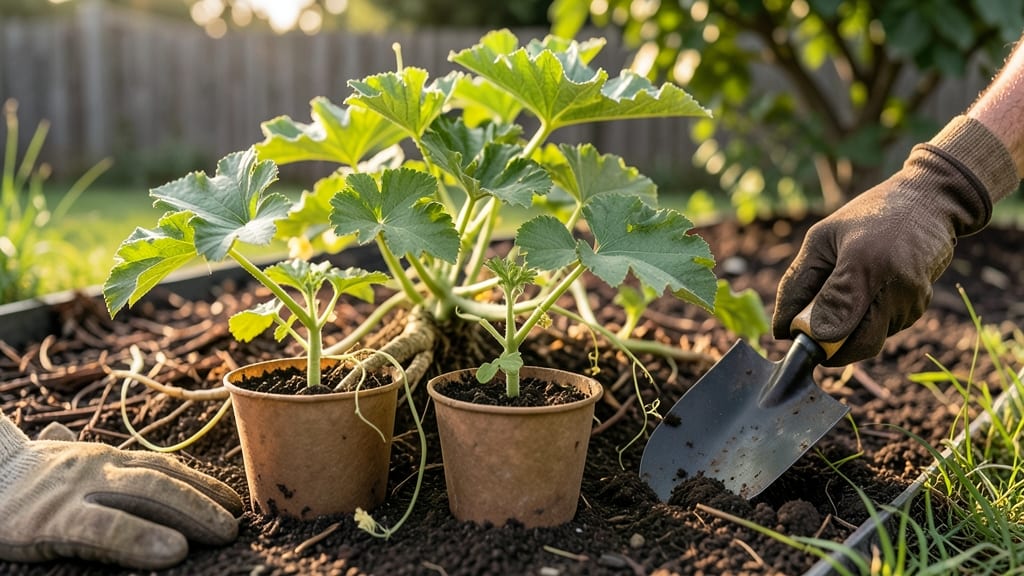
Planting watermelons in Alabama isn’t just about the calendar—it’s about waiting for the soil to hit that 70°F sweet spot for lightning-fast germination. Skip this step, and your seeds might linger in the dirt for weeks, or worse, get zapped by a late frost.
The key? Timing your 🍉 seeds after the last frost (usually late April to early May) but before summer’s scorching heat kicks in.
Here’s the catch: Alabama’s 7b-8b zones mean your planting window can shift by weeks depending on whether you’re in North or South Alabama. Too early, and frost will kill your tender seedlings.
Too late, and your melons might bolt before they ripen. I’ll break down the exact dates—and soil tricks—to ensure your watermelons sprout in 3-5 days, not months.
You’ll also discover which varieties thrive in Alabama’s heat and how to prep your soil for maximum speed. Whether you’re a first-time gardener or a seasoned grower, these insights will help you avoid the 5 biggest mistakes that turn hopeful plantings into disappointing patches.
Ready to grow watermelons that burst with flavor? Let’s dive into the soil temperature secrets that make all the difference in Alabama’s climate.
Best planting dates for watermelons in Alabama by region (soil temp guide)
Alabama’s diverse climate means your 🍉 planting schedule should match your region—North, Central, or South. While the state’s USDA Zones 7b-8b offer long growing seasons, soil temperature is the real game-changer. Watermelon seeds need 70°F+ soil to germinate within 3-5 days.
Plant too early, and you’ll waste weeks waiting—or worse, risk frost damage. Let’s break down the optimal windows for each region, so you can time your harvest for peak flavor.
North Alabama (Zones 7a-7b) has the shortest growing season, with last frost dates typically landing in mid-April. Here, your planting window is tighter, and you’ll need to focus on heat-tolerant varieties like ‘Crimson Sweet’ or ‘Sugar Baby.’
Central Alabama (Zone 7b-8a) offers a 2-week buffer, while South Alabama (Zone 8b) can start as early as mid-March in some microclimates. Each region also benefits from black plastic mulch to warm the soil faster.
🚨 NON-NEGOTIABLE: Always check your local Alabama Cooperative Extension for your exact last frost date—it can vary by 1-2 weeks even within counties. For example, Huntsville’s last frost might be April 15, while Mobile’s could be as early as March 15.
Use a soil thermometer to confirm temperatures before planting; seeds won’t germinate below 70°F, no matter the calendar date.
If you’re in North Alabama, aim for late April to avoid late frosts. Use row covers if planting earlier, but remove them once soil hits 70°F to prevent overheating.
For Central Alabama, you’ve got flexibility—start in early April for early varieties or wait until mid-May for heat-tolerant types like ‘Black Diamond.’ South Alabama growers can push the envelope with mid-March plantings, but always verify soil temps.
For fastest germination, soak seeds in warm water (80°F) for 24 hours before planting. This cuts germination time from 7-10 days to just 3-5 days. Pair this with black plastic mulch to raise soil temps by 5-10°F, giving you a 2-week head start on the season.
In cooler microclimates, like mountain valleys, consider transplanting 4-6 week old seedlings instead of direct sowing.
Don’t overlook variety selection. Sugar Baby and Crimson Sweet are classic choices for North Alabama, while Charleston Gray thrives in Central Alabama’s heat. South Alabama’s longer season lets you try Jubilee or Golden Midget for smaller, sweeter melons.
Pro tip: Heirloom varieties like ‘Moon and Stars’ need more time to mature, so plant them in Central or South Alabama for a late-summer harvest.
For a second harvest, plant a late-season batch in July. Choose heat-tolerant varieties like ‘Sugar Bush’ and use drip irrigation to keep soil moist during Alabama’s dog days of summer. This strategy extends your harvest into September or October, depending on your region. Just be sure to stop fertilizing 4-6 weeks before the first frost
How to time watermelon planting for fast germination (soil prep secrets)
Fast germination for watermelons in Alabama starts with soil temperature, not just the calendar. Your seeds need soil that’s at least 70°F—any cooler, and they’ll sit dormant for weeks.
I’ve learned the hard way that rushing planting because of warm air temps (but cold soil) leads to slow, uneven sprouts. The key? Combine soil warming with seed-soaking to shave days off your growing timeline.
Black plastic mulch is my secret weapon for speeding up germination. It heats the soil 10-15°F faster than bare ground, creating the perfect environment for watermelon seeds to sprout in just 3-5 days.
Even in North Alabama’s cooler zones, this trick extends your planting window by 2-3 weeks. Let me walk you through the exact steps to prep your soil and seeds for maximum speed.
Use a soil thermometer to check depth (2 inches down). Wait until it hits 70°F+—this is non-negotiable for watermelons. In Alabama, this typically aligns with late April to early May.
Lay down black plastic mulch 1-2 weeks before planting. Secure edges with soil or bricks. This raises soil temps by 10-15°F and suppresses weeds—double the benefit!
Soak watermelon seeds in lukewarm water for 4-6 hours before planting. This jumpstarts germination, cutting wait time from 7-10 days to just 3-5 days. Drain and plant immediately after soaking.
Sow seeds 1 inch deep in hills spaced 3-4 feet apart. Each hill should have 3-4 seeds for better germination odds. Thin to the strongest seedling after sprouts appear.
If using transplants, harden them off for 7-10 days before moving to the garden. Plant at the same depth as their nursery pots to avoid shock. Water deeply after transplanting to settle roots.
In North Alabama, use row covers for early plantings to protect from late frosts. For late-season melons, choose shorter-day varieties like ‘Sugar Baby’ that mature faster in cooler temps.
Pro tip: If you’re in South Alabama, you can push planting to early March for an earlier harvest, but monitor soil temps closely—even there, early mornings can dip below 70°F. I’ve had success with dwarf varieties like ‘Tiny Tim’ in containers, which warm up faster in pots.
Once your seeds sprout, keep soil consistently moist (not soggy) to encourage strong vine growth. Within 70-90 days, you’ll be harvesting melons that rival the ones at the grocery store—only sweeter because they’re homegrown. The secret? Starting with warm soil and patiently waiting for that perfect 70°F trigger.
🌱