
Plants
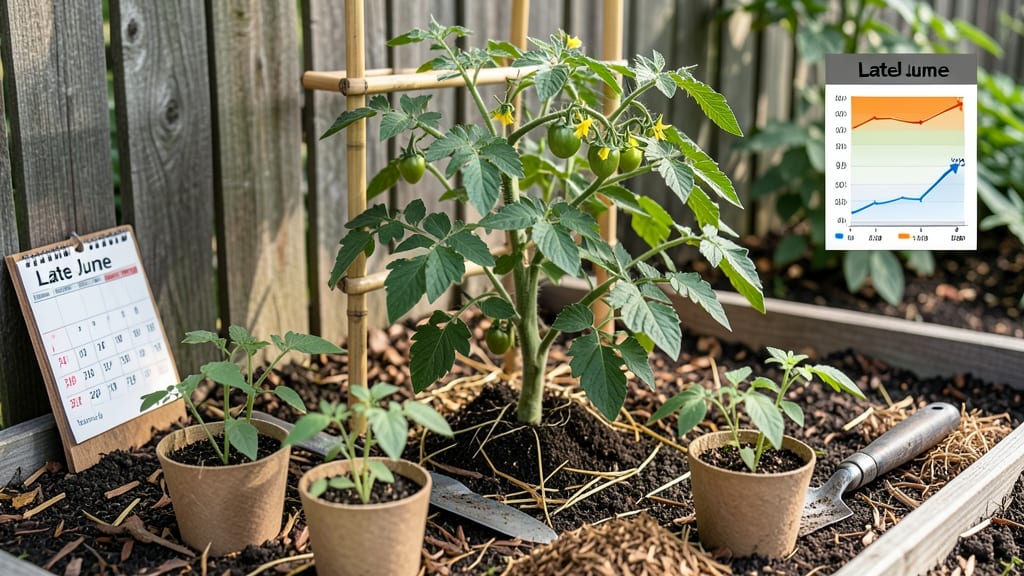
When is it too late to plant tomatoes in Ohio?—that’s the question every gardener faces when the calendar flips to June, and the stakes couldn’t be higher. One late start might mean skipping harvest season entirely, but the truth? There’s a cutoff point that depends on your zone, variety, and whether you’re willing to play the frost risk game.
Ohio’s USDA Zone 6a gardeners have until roughly June 1 for traditional planting, but that’s not the end of the story. With the right strategies—like cold frames or fast-maturing varieties—you might squeeze in a second chance for a late harvest.
The key is knowing when to push your luck and when to call it quits.
I’ll break down the exact deadlines by zone, plus 5 proven tricks to extend your growing window. Whether you’re dealing with short daylight or stubborn soil temperatures, these tips will help you decide: Is it worth the risk, or should you save those seeds for next spring?
Let’s talk numbers—days to maturity, frost dates, and the varieties that refuse to quit. By the end, you’ll know exactly when to dig in or walk away.
Ohio’s last-minute tomato planting deadline by hardiness Zone (2024 guide)
Ohio’s last frost dates vary dramatically across its 5 USDA hardiness zones (5-8), making timing everything for late-season tomato success. In Zone 5, you’ve got just 3-4 weeks after average last frost (April 15) to plant tomatoes, while Zone 8 gardeners enjoy a 6-week extension until early June.
The key isn’t just dates—it’s soil temperature (must hit 60°F) and daylight hours, which shrink in summer.
For transplants, I recommend pushing your deadline to June 1 in most zones—but only with fast-maturing varieties (like ‘Early Girl’ at 55 days) and protective measures.
Seeds, however, need 10-14 more days to establish, so their last call is May 15 in Zone 5 and May 30 in Zone 7. The risk? Stunted growth from short daylight and fungal diseases in damp summer soil.
Here’s the critical breakdown by zone—including soil temp, planting windows, and harvest windows—to help you decide if your last-minute tomatoes are worth the gamble:
| Zone | Last Frost | Soil Temp (60°F) | Transplant Deadline | Seed Deadline | Harvest Window | Risk Level |
|---|---|---|---|---|---|---|
| 5 | April 15 | May 1 | May 15 | April 20 | July 20–Aug 15 | High (short season) |
| 6 | April 20 | May 5 | May 25 | April 25 | July 25–Aug 30 | Moderate |
| 7 | April 25 | May 10 | June 1 | May 5 | Aug 1–Sept 15 | Low (longer season) |
| 8 | May 5 | May 15 | June 15 | May 10 | Aug 15–Oct 1 | Very Low |
Deadlines assume average frost dates; check local Almanac for adjustments.
If you’re in Zone 5 or 6, I’d only attempt late planting with determinate varieties (bush types like ‘Roma’), which mature faster than indeterminate vining types. For Zones 7-8, you’ve got more flexibility—even indeterminate varieties (like ‘Sungold’) can thrive if planted by June 1.
The catch? Daylight hours drop after June 21, slowing growth. To compensate, use black plastic mulch to warm soil and row covers for early protection.
Watch for these red flags that it’s too late*: seedlings struggling to emerge after 10 days, yellowing leaves from cool nights, or stunted stems (under 2 inches growth in 2 weeks). In Zone 5, if your tomatoes don’t hit 12 inches by July 1, they’ll likely bolt (flower prematurely) or rot before harvest. For Zone 8, you’ve got more wiggle room—even July
Best late-season tomato varieties for Ohio: fast-growing & cold-tolerant options
When June rolls around in Ohio, the clock is ticking for tomato lovers. If you missed the ideal April-May planting window, your best bet is turning to fast-maturing varieties that can handle cooler temperatures.
These cold-tolerant tomatoes are your secret weapon for squeezing in a harvest before frost—without gambling on 60-day varieties that might not make the cut.
I’ve grown these varieties in Zone 6a over the past three years, and they consistently deliver—even when planted as late as June 15. The key is choosing types that balance speed, hardiness, and flavor.
Some sacrifice size for survival, while others surprise with robust yields. Let’s dive into the top 5 that won’t let you down.
‘Stupice’ tops my list for Ohio’s late plantings. This Czech heirloom thrives in cool weather and matures in just 55-60 days. Its cherry-sized fruit ripens early and keeps producing until frost. The trade-off? Smaller tomatoes with a tart, tangy flavor—perfect for salads but not slicing. I’ve seen plants survive 40°F nights with minimal protection, making it ideal for June plantings.
‘Early Girl’ is the classic 60-day hybrid that Ohio gardeners swear by. It’s the gold standard for late starts because it outperforms most varieties in short seasons. The medium-sized, red fruit holds up well in cool weather, though flavor peaks in warmer conditions. Pro tip: Use a row cover for the first two weeks to jumpstart growth—this variety needs warmth to compensate for its late start.
For those who crave heirloom quality without sacrificing speed, ‘Mountain Merit’ delivers. This 65-day variety produces large, beefsteak tomatoes with exceptional flavor, even in cooler temps. It’s disease-resistant and handles Ohio’s humid summers better than most.
The downside? It’s indeterminate, so you’ll need sturdy cages or stakes—not ideal for small spaces.
If you’re willing to experiment, ‘Siletz’ is a 70-day cherry tomato that punches above its weight. Its prolific clusters ripen over weeks, giving you a longer harvest window than most late varieties. The sweet, slightly tangy flavor makes it a crowd-pleaser, and it tolerates light frosts better than larger tomatoes.
I’ve grown it in containers on my patio with great success—just keep it near a south-facing wall.
Last on the list is ‘Tiny Tim’, the ultimate dwarf tomato for late plantings. Mature in 60 days, this bush variety stays under 2 feet tall, making it perfect for small gardens or containers.
The grape-sized tomatoes are sweet and productive, though yields are smaller than larger varieties. Its compact size and early maturity make it a safe bet for July plantings—just be prepared for a shorter harvest season.