
Planting
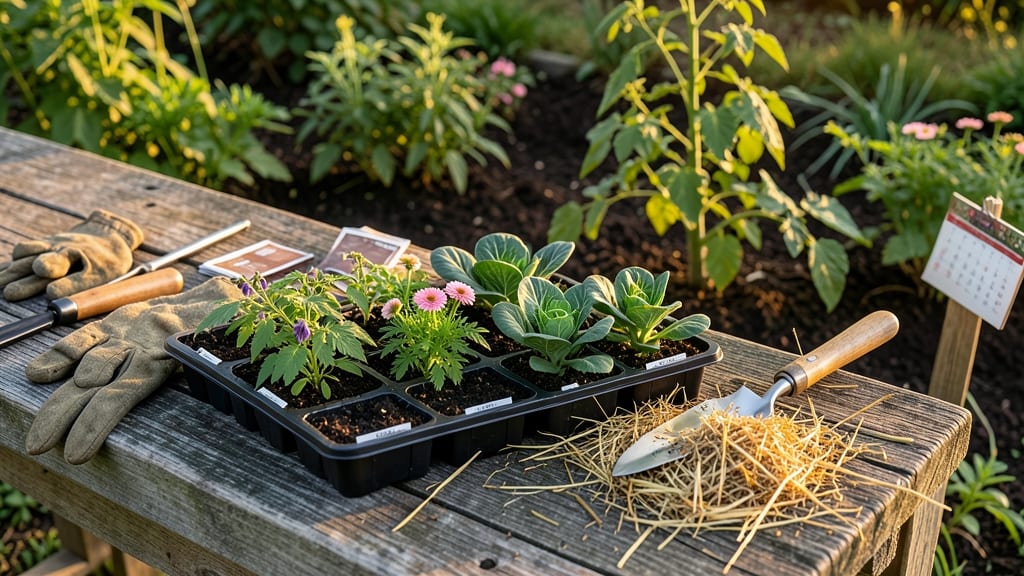
Planting your garden at the wrong time in Tennessee can mean the difference between a thriving harvest and a total loss to frost or scorching heat.
With USDA zones 6a-8a across the state, timing is everything—especially when cool-season crops like lettuce need to go in 4-6 weeks before the last frost, while tomatoes and peppers can’t handle a chill.
I’ve grown my share of gardens in Tennessee’s humid climate, and I’ve learned that the best planting windows shift dramatically from East Tennessee’s cooler mountains to Middle Tennessee’s warmer valleys. Whether you’re in Nashville, Knoxville, or Memphis, missing those critical deadlines can leave your plants struggling—or worse, dead.
In this guide, I’ll break down the exact months to plant your garden for zero-frost success, tailored to your specific zone.
You’ll discover which crops thrive in early spring, which wait for summer’s heat, and how to adjust for Tennessee’s microclimates—so you can finally get the harvest you’ve been dreaming of.
Ready to turn your garden into a productive powerhouse? Let’s dive into the zone-specific deadlines that will make all the difference this year.
Tennessee’s USDA Zones & exact planting deadlines by month (avoid frost damage)
Tennessee spans USDA Zones 5a–8a, creating dramatic differences in frost dates and growing seasons. In the Appalachian Mountains (Zone 5a–6a), gardeners face earlier springs and later falls, while West Tennessee (Zone 7b–8a) enjoys longer frost-free periods.
These variations mean your planting deadlines must align with your specific zone—or risk losing crops to unexpected frost or heat.
For example, in Nashville (Zone 7a), the average last frost date is March 15, but in Memphis (Zone 8a), it’s March 1. Meanwhile, high-elevation areas like Gatlinburg (Zone 5b) can see frost as late as May 10.
Understanding these nuances ensures you plant cool-season crops (like lettuce and peas) early enough and warm-season crops (like tomatoes and peppers) after all danger of frost has passed.
Below is your zone-specific planting timeline, including exact deadlines for cool-season starts, warm-season transplants, and fall crops. Use this as your garden’s roadmap to avoid frost damage and maximize yields.
| Zone | Last Frost | First Frost | Cool-Season Start | Warm-Season Plant | Fall Planting Deadline |
|---|---|---|---|---|---|
| 5a (Gatlinburg) | May 10 | October 15 | March 15 | May 20 | August 1 |
| 6a (Knoxville) | April 15 | October 30 | March 1 | April 30 | September 1 |
| 7a (Nashville) | March 15 | November 15 | February 15 | April 15 | October 1 |
| 7b (Chattanooga) | March 1 | November 1 | February 1 | April 1 | September 30 |
| 8a (Memphis) | February 15 | December 15 | January 1 | March 1 | October 15 |
*Adjust deadlines 1-2 weeks earlier for high-altitude areas or later for urban heat islands.
Now that you have your zone-specific deadlines, let’s break down how to use them. For cool-season crops (like spinach, kale, and carrots), start seeds 4–6 weeks before your last frost date.
In Zone 5a (Gatlinburg), that means sowing by March 15, while in Zone 8a (Memphis), you can wait until January 15. These crops thrive in cooler temperatures and can even handle light frosts, making early planting ideal.
For warm-season crops (tomatoes, peppers, cucumbers), wait until 2–3 weeks after your last frost date to transplant seedlings. In Nashville (Zone 7a), this means planting by April 15, while Memphis (Zone 8a) gardeners can start as
Top 5 crops to plant now (by Tennessee region) for maximum yield
Tennessee’s varied climate means your garden’s success depends on region-specific planting. Whether you’re in the cool Appalachian highlands or the warm Mississippi River valleys, timing is everything. I’ve selected high-yield, beginner-friendly crops tailored to each zone, with soil prep tips and companion planting tricks to maximize your harvest.
For East Tennessee (USDA Zones 6a-7a), focus on cool-season powerhouses like broccoli and kale. These thrive in the longer springs and cooler nights of the mountains. In Middle Tennessee (Zones 7a-7b), tomatoes and peppers dominate—ideal for the hot summers and moderate winters.
Meanwhile, West Tennessee (Zones 7b-8a) gardeners can grow sweet potatoes and okra, which love the humid subtropical heat.
-
1
East TN: Broccoli & Kale
Plant 4-6 weeks before last frost (late February–early March). Use well-draining soil with compost and pair with radishes to deter pests.
-
2
Middle TN: Tomatoes & Peppers
Start seeds indoors in March, transplant after last frost (mid-April). Use cage supports and mulch to retain moisture.
-
3
West TN: Sweet Potatoes & Okra
Plant slips after soil warms (April–May). Okra thrives in hot, dry conditions—pair with beans to improve soil nitrogen.
-
4
Soil Prep for All Regions
Test soil pH (6.0–7.0) and amend with aged compost. Add sand to clay-heavy East TN soil and peat moss to sandy West TN soil.
-
5
Extend Harvests with Succession Planting
Sow lettuce every 2 weeks in spring/fall and beans every 3 weeks in summer. Use row covers to protect cool-season crops from late frosts.
Don’t overlook companion planting—it’s a game-changer. For example, marigolds near tomatoes repel nematodes, while basil improves pepper flavor. In West TN, okra and corn grow well together, sharing nutrients efficiently. Start small, experiment, and watch your yield skyrocket!
Pro tip: Use drip irrigation to save water and time. It delivers moisture directly to roots, reducing waste and disease risk. Pair it with mulch to lock in moisture and keep weeds at bay. With these strategies, your Tennessee garden will thrive no matter the zone.
Ready to dig in? Grab your gloves, and let’s make this your most productive growing season yet! 🌱