
Flowers
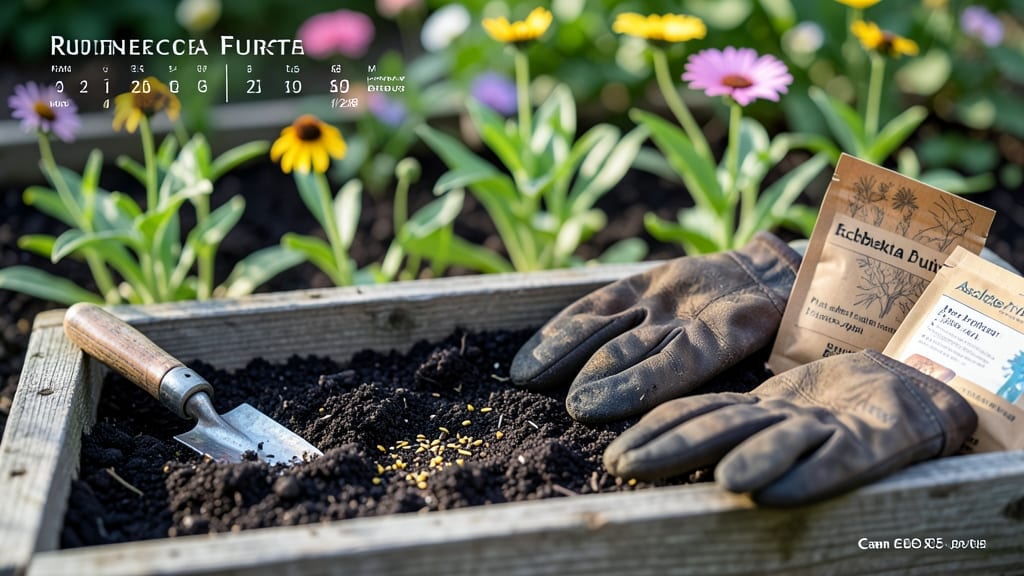
Planting your 🌸 flower seeds at the wrong time in Tennessee could mean watching your hard work vanish overnight with the first frost.
With our unpredictable spring weather and USDA zones ranging from 6a to 7b, knowing the perfect window makes all the difference between a thriving garden and a sad, frost-killed disappointment.
Most gardeners in Tennessee wait until after the last frost date—usually mid-April—but some flowers, like cool-season varieties, actually thrive when planted earlier. The key is understanding how your specific zone and microclimate (think Nashville vs. Chattanooga) affect planting times.
In this guide, I’ll break down the exact month-by-month calendar for planting flower seeds in Tennessee, including when to start indoors, direct-sow outdoors, and which varieties grow best in your zone.
Whether you’re a beginner or a seasoned gardener, these proven strategies will help you time your plantings perfectly for longer blooms and fewer frost surprises. Let’s get your garden off to the right start!
Tennessee flower seed planting calendar by USDA zone (6b-8a)
Tennessee’s diverse USDA zones 6b-8a create unique planting windows for flower seeds. Whether you're in cool mountain valleys (6b) or warm river valleys (8a), timing your seeds correctly ensures vibrant blooms all season.
The key is knowing your last frost date—typically mid-April in higher elevations and early March in southern zones—while accounting for soil temperatures that should stay above 50°F (10°C) for germination.
Annual flowers like marigolds and zinnias thrive when planted after the last frost, while hardy perennials such as black-eyed Susans can handle cooler soil. Fall planting for cool-season flowers like pansies begins 8-10 weeks before first frost (usually late August in northern Tennessee).
Let’s break down your month-by-month planting schedule by zone to maximize success.
| Month | Zone 6b (Cool) | Zone 7a (Moderate) | Zone 8a (Warm) | Best Flowers | Soil Temp |
|---|---|---|---|---|---|
| February | Indoor starts (marigolds, impatiens) | Indoor starts (petunias, geraniums) | Direct sow cool-season (pansies, snapdragons) | Pansies, Snapdragons | 45-50°F (7-10°C) |
| March | Direct sow after last frost (zinnias, cosmos) | Direct sow (marigolds, sunflowers) | Direct sow (all annuals) | Zinnias, Sunflowers, Cosmos | 55-60°F (13-16°C) |
| April | Plant perennials (coneflowers, black-eyed Susans) | Plant perennials (daylilies, lavender) | Plant perennials (salvias, coreopsis) | Coneflowers, Daylilies | 60-65°F (16-18°C) |
| May | Transplant warm-season starts (tomatoes, peppers) | Direct sow heat-lovers (okras, sweet potatoes) | Direct sow (all warm-season flowers) | Lantanas, Portulacas | 65-70°F (18-21°C) |
| August | Start fall flowers (pansies, sweet alyssum) | Direct sow fall crops (kale, radishes) | Direct sow fall flowers (stocks, calendulas) | Calendulas, Stocks | 50-55°F (10-13°C) |
| September | Plant bulbs (tulips, daffodils) | Plant cool-season annuals (violets, dianthus) | Plant cool-season annuals (pansies, snapdragons) | Tulips, Violets | 45-50°F (7-10°C) |
In Zone 6b, where frosts linger later, focus on hardy annuals like zinnias and perennials such as coneflowers that tolerate cooler soils. These thrive when planted after April 15, once nighttime temperatures stay above 50°F (10°C).
For Zone 7a, you’ll have a longer window—start warm-season flowers like sunflowers in early March and transition to fall bloomers by August.
Zone 8a gardeners enjoy the longest growing season, allowing for year-round planting. Begin cool-season flowers in February and warm-season varieties in March. Don’t overlook fall planting—August is ideal for calendulas and stocks, which bloom beautifully until frost. Always check soil temperatures with a thermometer; seeds need consistent warmth to germinate.
For perennials like black-eyed Susans, plant in early spring (March-April) when soil is workable but not waterlogged. These low-maintenance workhorses establish roots quickly and return year after year. If you’re unsure about frost dates, use row covers to protect tender seedlings until danger has passed. In southern Tennessee (Zone
How to adjust planting times for Tennessee’s unpredictable spring weather
Tennessee’s spring weather can throw even the most experienced gardeners for a loop. One week you’re planting warm-season flowers, and the next, a surprise frost rolls in.
The key to success is flexibility—knowing how to adjust your planting timeline based on soil temperature, microclimates, and late frost risks.
For example, Nashville’s average last frost date is April 15, but Chattanooga often sees frost lingering until May 1. Meanwhile, Memphis can be 2-3 weeks earlier. These differences mean your planting schedule should shift based on your exact location, not just your USDA zone.
Here’s how to stay ahead of Tennessee’s weather whims and protect your seedlings from unexpected cold snaps. Start by monitoring soil temperatures—most flower seeds need soil to stay above 60°F for consistent germination. Use a soil thermometer to check before planting warm-season varieties like zinnias or marigolds.
⚠️ Warning: Late Frosts Can Wipe Out Seedlings!
Tennessee’s late spring frosts (common until mid-April) can devastate young seedlings. To protect your flowers:
- ✅ Use row covers or cloches for 2-3 weeks after planting.
- ✅ Choose fast-growing varieties (e.g., cosmos, sunflowers) to outpace frost risks.
- ✅ Start heat-loving flowers indoors 6-8 weeks before last frost.
Pro tip: Sign up for your local Cooperative Extension Service frost alerts!
Another trick is to plant in staggered batches. Instead of sowing all your seeds at once, divide them into 2-3 groups spaced 10-14 days apart. This way, if one batch gets hit by frost, the others will still thrive.
For instance, plant 50% of your zinnias in early April, another 30% in mid-April, and the final 20% in late April.
Don’t forget about microclimates—your garden isn’t uniform. South-facing slopes warm up faster than shaded areas, and low spots collect cold air. Test your garden’s microclimates by placing a few marigold seeds in different spots. If they sprout earlier in one area, prioritize planting heat-sensitive flowers there first.
For fall planting, the same rules apply in reverse. Start sowing cool-season flowers like pansies or snapdragons 4-6 weeks before your first frost (usually mid-October). Use black plastic mulch to warm soil for early fall plantings or straw mulch to insulate late-season seedlings.
By combining soil temperature checks, frost-proofing strategies, and microclimate awareness, you’ll turn Tennessee’s unpredictable spring into your garden’s greatest advantage. Your flowers will thank you with longer, more vibrant blooms all season long! 🌸