
Plants
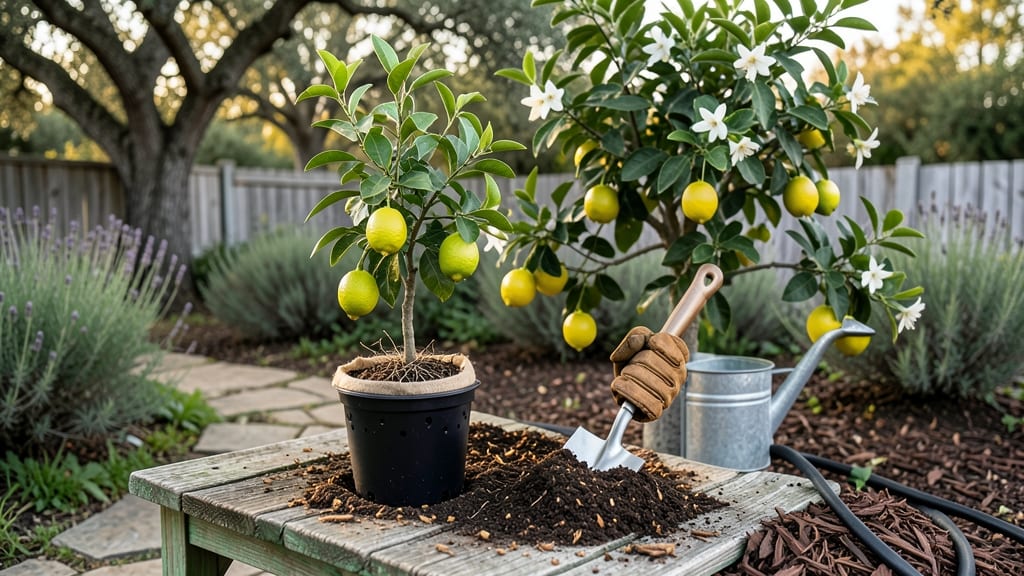
Planting a lemon tree 🍋 in California at the wrong time could mean frost damage or stunted growth—even in mild zones. The key to thriving citrus lies in timing, and the best window depends on whether you're near the coast or inland.
Coastal areas like San Diego can plant year-round, but inland regions should wait until late winter or early spring to avoid frost risks. I’ll break down the exact months for your zone, plus pro tips to ensure your tree takes root strong.
Whether you’re digging in the ground or potting up, knowing when to plant makes all the difference. Let’s get your lemon tree off to the best start possible—no guesswork, just results.
Ready to skip the trial-and-error? I’ll share the zone-specific planting calendar that’s saved countless California gardeners from costly mistakes.
California’s ideal lemon tree planting months by USDA Zone (avoid frost & heat stress)
California’s diverse microclimates—from frost-prone inland valleys to mild coastal regions—create unique planting windows for lemon trees. In USDA Zones 7-11, timing directly impacts root establishment and frost survival. Planting too early risks heat stress, while late planting can expose young trees to winter chill.
Let’s break down the optimal months for each zone to maximize your lemon tree’s success.
Lemon trees thrive when planted during cooler months, when soil temperatures stay above 60°F but below 85°F. This range ensures root growth without stress from extreme heat. Coastal areas (Zones 9-11) enjoy year-round planting, but inland zones (7-8) must wait until after the last frost.
Understanding these thresholds will help you avoid common planting mistakes that stunt growth or kill young trees.
🌱
| USDA Zone | Best Planting Months | Soil Temp Threshold | Frost Risk | Root Dev. Window |
|---|---|---|---|---|
| Zone 7 (Inland Valleys) | March–April | 60°F–75°F | High (Nov–Feb) | 6–8 weeks |
| Zone 8 (Central Coast) | February–March | 65°F–78°F | Moderate (Dec–Jan) | 5–7 weeks |
| Zone 9 (Southern CA) | October–November | 68°F–80°F | Low (Dec only) | 4–6 weeks |
| Zone 10 (Coastal) | Year-round (best: Nov–Jan) | 70°F–82°F | None | 3–5 weeks |
| Zone 11 (Desert) | September–October | 72°F–85°F | None | 4–5 weeks |
In Zone 7, where frost can linger until March 15, plant lemon trees in March–April to ensure roots establish before summer heat. The 60°F–75°F soil temperature range is critical—too cold slows growth, while too hot causes root burn.
Use mulch to regulate soil temps and protect young roots.
For Zone 8 gardeners, February–March offers the sweet spot. This aligns with post-frost timing and provides 5–7 weeks of ideal root development before summer. Avoid planting in late April, as soil can exceed 85°F, stressing the tree.
If you’re in Sacramento or Fresno, wait until after April 15 to be safe.
Coastal Zones 9–11 enjoy the most flexibility. In Zone 9, plant in October–November to take advantage of mild winters and cooler soil. Zone 10 (e.g., Los Angeles, San Diego) allows year-round planting, but November–January is best for container-grown trees to minimize transplant shock.
Desert Zone 11 thrives with September–October plantings to avoid summer’s extreme heat.
Container planting offers extra flexibility but requires soil temperature monitoring. Use a soil thermometer to confirm temps are above 60°F before planting. For in-ground plantings, amend heavy clay soil with compost or sand to improve drainage—waterlogged roots are a top killer of lemon trees in California.
🌿
Microclimates play a huge role. For example, Santa Barbara (Zone 9) can plant in fall or spring, while Fresno (Zone 7) must wait until late spring. If you’re unsure of your zone, check the USDA Plant Hardiness Zone Map or ask your local cooperative extension office.
They can provide hyper-local frost data that’s critical for success.
Pro tip: If you miss the ideal window, opt for container planting. Potted lemon
How to choose the perfect planting window: soil temperature, rainfall, and pest risks
Planting your lemon tree at the wrong time in California can mean the difference between a thriving orchard and a struggling sapling. The perfect planting window depends on three critical factors: soil temperature, seasonal rainfall patterns, and pest activity.
Let’s break down how to align these elements for success.
First, check your soil temperature using a soil thermometer—ideal temperatures for lemon trees range between 60°F and 75°F. Cooler soils help roots establish before summer heat stress kicks in. If your soil is too cold (<55°F), roots may struggle to grow, while temperatures above 80°F can shock young plants.
Next, consider rainfall timing. Coastal California sees wetter winters, while inland areas may experience drought. Planting in fall or early winter (October–January) aligns with natural rainfall cycles, reducing the need for supplemental watering. Avoid planting during peak summer months when drought stress and evaporative loss can stunt growth.
Finally, watch for pest risks. Aphids, citrus leaf miners, and scale insects thrive in warm, dry conditions—common in late spring and summer. Planting in fall or winter minimizes early-season pest pressure, giving your tree a stronger start.
If planting in spring, use neem oil or insecticidal soap as a preventive measure.
- 1. Soil Temp Check: Wait until soil reaches 60°F+ (use a thermometer). Coastal areas hit this by October; inland zones may need to wait until March.
- 2. Rainfall Alignment: Plant during wetter months (Nov–Feb) to reduce irrigation needs. Inland gardeners should water deeply 2–3x/week post-planting.
- 3. Pest Avoidance: Skip late spring/summer planting—peak pest season! Opt for fall when aphids and leaf miners are less active.
- 4. Container Acclimation: If planting in pots, harden off seedlings for 7–10 days before transplanting to prevent root shock.
- 5. Soil Amendments: Mix in compost and sand (50/50) for well-draining soil. Lemon trees hate soggy roots—amend heavy clay with perlite.
Before planting, prepare your soil with organic matter like compost or aged manure. Lemon trees prefer slightly acidic to neutral soil (pH 6.0–7.0). Test your soil’s pH with a kit—if it’s too alkaline, add sulfur or peat moss to adjust.
For container planting, use a well-draining citrus mix with added perlite to prevent waterlogging.
Once planted, mulch around the base with wood chips or straw to retain moisture and regulate soil temperature. Avoid piling mulch against the trunk, as this can trap excess moisture and invite fungal diseases.
Water deeply once a week (more in summer) and monitor for signs of underwatering like wilting leaves or dry soil.
By aligning your planting with soil warmth, natural rainfall, and low-pest periods, your lemon tree will establish strong roots and thrive in California’s diverse climates.
Whether you’re in frost-free Zone 10 or cooler Zone 8**, these timing tips ensure your citrus gets off to the best possible start. 🌱