
Trees
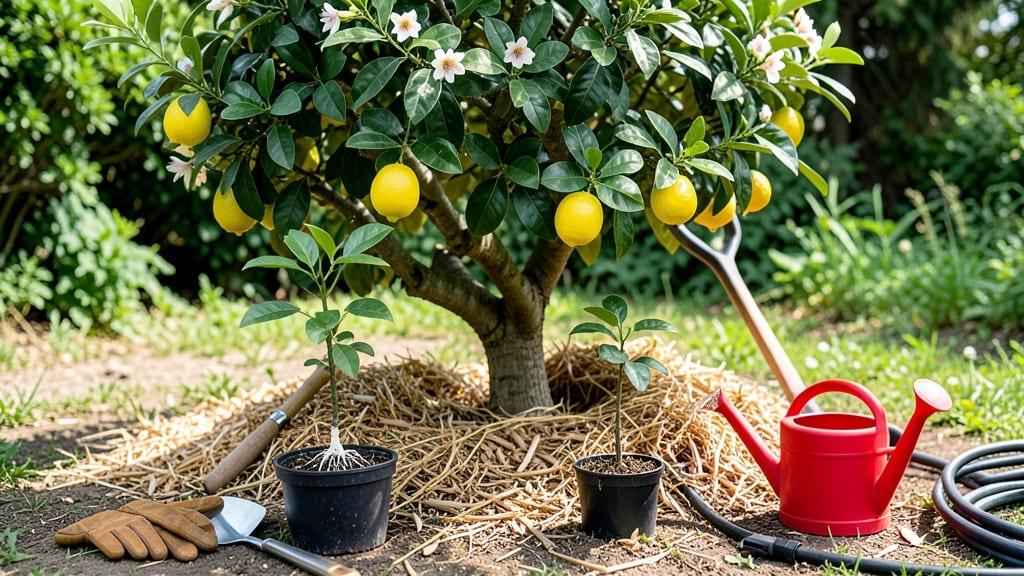
Planting a citrus tree in Arizona isn’t just about picking a season—when is the best time to plant citrus trees in Arizona? It’s about outsmarting the desert’s brutal swings from 115°F summers to rare but deadly winter frosts.
The wrong timing could mean your tree struggles for years, while the right window sets it up for decades of juicy harvests.
Most gardeners assume spring is ideal, but Arizona’s 9b climate demands a different strategy. The best time to plant isn’t when the weather feels mild—it’s when the soil stays warm enough to root but the air cools just enough to avoid heat shock.
That window? November through March, when monsoon rains have passed and frost risk is minimal.
Why does this matter? Because a citrus tree planted in the heat of summer wilts before it takes hold, while one planted too late faces stunted growth from winter’s chill.
I’ll break down the exact steps to time your planting for success—plus how to protect your tree from Arizona’s most common pitfalls.
Ready to turn your backyard into a citrus oasis? Let’s dive into the heat-zone secrets that’ll have your tree thriving year-round, no matter what Arizona throws at it.
Arizona’s ideal citrus planting window: avoiding frost and extreme heat
Arizona’s USDA zones 9a–11 create a unique challenge for citrus growers—scorching 110°F+ summers and rare but deadly 28°F frosts in high elevations. The key to success? Planting during Arizona’s 6-week frost-free window when soil stays warm enough for root establishment but avoids summer’s brutal heat.
This means October through November is your sweet spot, but microclimates like Phoenix and Flagstaff demand extra attention.
Citrus trees thrive when planted in cool-season months when daytime highs hover around 75–85°F. This temperature range lets young roots establish without the shock of summer’s intense heat or winter’s occasional frost.
My own ‘Carrizo’ citrange planted in early November now produces fruit year-round—proof that timing matters more than luck.
Here’s the critical timeline for Arizona citrus planting:
| Planting Window | USDA Zones | Soil Temp | Key Considerations | Arizona Microclimates |
|---|---|---|---|---|
| Early October | 9a–11 | 65–75°F | Post-monsoon soil warmth; minimal frost risk | Phoenix, Tucson, Yuma |
| Late October | 9a–11 | 60–70°F | Optimal root establishment; avoid summer heat | Prescott, Flagstaff (higher elevations) |
| November | 9a–11 | 55–65°F | Best balance; frost risk increases in Zone 9a | Sedona, Payson |
| Early December | 10a–11 | 50–60°F | Low frost risk; slower growth but safer | All zones except high elevations |
| January–February | 10a–11 | 50–60°F | Last resort; frost possible in Zone 9a | Avoid high desert areas |
Avoid planting in Arizona’s summer months (June–August) unless you’re using container growing with shade cloth. The 110°F+ heat can scorch young leaves and stress roots, even with daily watering. I once planted a ‘Meyer lemon in July and lost it within 3 months—don’t make that mistake!
For high-elevation areas like Flagstaff (Zone 7b), wait until late April when frost risk drops below 10%. These zones require cold-hardy varieties like ‘Satsuma mandarins or ‘Carrizo citrange, which tolerate brief dips to 20°F.
In contrast, Phoenix (Zone 10a) can plant year-round, but October–November still offers the best soil conditions.
Container planting extends your window slightly—you can plant 3–4 weeks earlier in containers because pots warm faster in spring. However, move containers indoors or under shade cloth if temperatures drop below 40°F.
My potted ‘Lemonade’ lime survives winters on my patio with a frost cloth—a trick that works for urban gardeners without yard space.
Soil preparation is just as critical as timing. Amend your soil with compost and gypsum to combat Arizona’s alkaline soils, which citrus trees hate. A pH of 6.0–7.0 is ideal—test your soil before planting.
I use sulfur granules to lower pH in my clay-heavy soil near Tucson, and my trees reward me with bigger fruit every year.
After planting, mulch with 3–4 inches of wood chips to retain moisture and regulate soil temperature. This is especially important in Zone 9a,
Heat-zone survival hacks: protecting citrus trees from Arizona’s summer onslaught
Arizona’s summer sun can turn citrus trees into crispy critters faster than you can say "sunscald." Once your trees are planted, the real challenge begins—keeping them hydrated, shaded, and stress-free during 110°F+ heat waves.
Young citrus trees, especially those planted in spring or early summer, are most vulnerable to sunburn, root stress, and heat shock. Even mature trees need extra TLC to avoid fruit drop, leaf scorch, and stunted growth. The key?
Proactive strategies that mimic the tree’s natural desert-adapted resilience while compensating for our urban heat islands.
I’ve seen citrus trees in Phoenix go from lush and leafy to sad, sun-bleached husks in just two weeks during a heatwave. The difference? The ones that survived had shade cloth, deep watering schedules, and soil amendments tailored to Arizona’s alkaline, fast-draining soils.
Don’t let your citrus trees become another cautionary tale—here’s how to shield them from the desert’s wrath.
🔥 Numbered Highlights: Arizona Citrus Heat Survival Guide
- 🌿 Shade Strategy: Use 30-50% shade cloth (not black plastic!) for young trees during June–September. Remove by late September to harden off trees before winter.
- 💧 Watering Hack: Drip irrigation at soil level (not overhead) with 15-20 gallons per tree, 2x weekly during peak heat. Water 4–6 AM to prevent evaporation and fungal growth.
- 🌡️ Soil Fix: Amend planting holes with 50% native soil + 50% compost + 10% perlite to improve drainage and moisture retention in Arizona’s alkaline clay. Test pH—citrus thrives at 6.0–7.0!
- 🪴 Mulch Magic: Apply 4-inch layer of wood chips or straw mulch (not rocks!) to retain moisture and regulate root-zone temps. Keep mulch 6 inches from trunk to avoid rot.
- 🍊 Fruit Protection: Young fruit is super sensitive—wrap clusters in lightweight cheesecloth during 100°F+ days to prevent sunscald and premature drop.
- 🌡️ Heatwave Drill: If temps hit 115°F+, mist leaves early morning with room-temp water (avoid wetting fruit) and pause fertilizing until temps drop below 100°F.
Let’s talk shade strategies first—because Arizona’s sun isn’t just hot, it’s intense. Even mature citrus trees can suffer from sunburn (white/yellow patches on leaves) if suddenly exposed to full sun after shade. For young trees, 50% shade cloth during the hottest months (June–August) is a game-changer.
I use white or silver cloth (not black—it traps heat!) and secure it 3 feet above the canopy to allow airflow. Pro tip: Remove shade cloth by late September to let trees acclimate to cooler temps before winter.
Now, watering isn’t just about quantity—it’s about timing and technique. Overhead sprinklers? Big no-no—they promote fungal diseases like citrus scab. Instead, drip irrigation delivers water slowly and directly to roots, reducing waste and evaporation.
During heatwaves, I double my watering schedule (every 3–4 days) and soak the root zone to 18 inches deep. A moisture meter is worth its weight in gold here—aim for 40–60% soil moisture at all times.
Arizona’s alkaline soils (pH 7.5–8.5) are another silent killer.
Citrus trees hate high pH—they can’t absorb iron or zinc, leading to yellow leaves (chlorosis) even when soil looks moist. Fix it now: Mix sulfur or peat moss into the planting hole to lower pH, and fertilize with a citrus-specific blend (like 8-3-9 NPK) every 6–8 weeks during growing season. Avoid synthetic fertilizers in summer—they burn roots in the heat.
Finally, mulch isn’t just for looks—it’s a heat shield. A 4-inch layer of wood chips or straw (never rocks!) keeps roots 5–10°F cooler and locks in moisture. Just keep it 6 inches from the trunk to prevent rot.
For extra protection, wrap tree trunks with burlap during extreme heatwaves to reduce stress. Trust me, your tree will thank you when it’s still bearing fruit while neighbors’ trees are wilting.
With these heat-zone hacks, your citrus trees will not only survive Arizona’s summers—they’ll thrive, bearing sweet fruit year-round. Just remember: shade, deep water, and soil prep are your holy trinity. Now go protect that grove! 🌵