
Plants
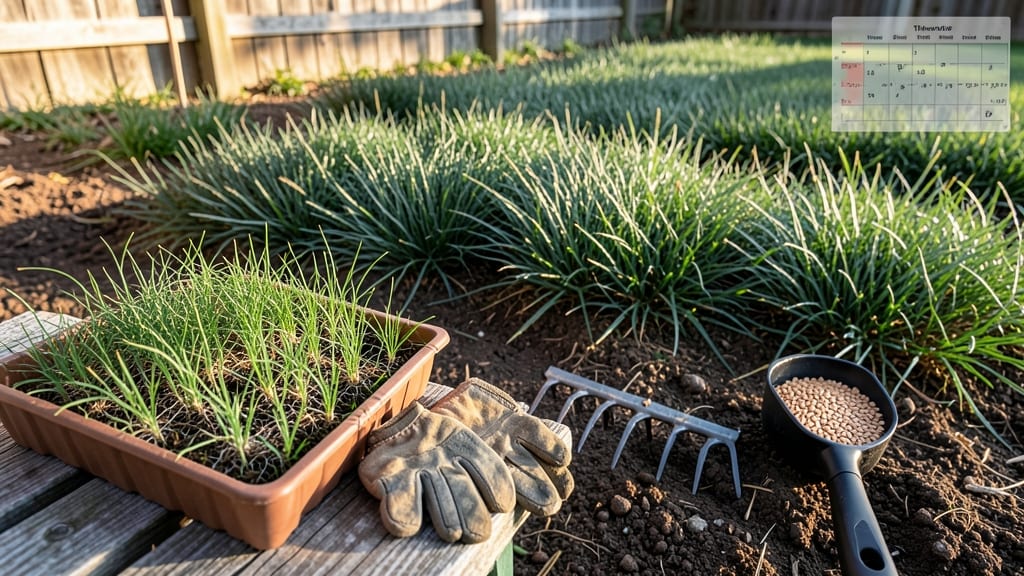
Planting grass in Georgia at the wrong time can turn your lush lawn dreams into a patchy, weed-infested disappointment—especially when those humid summers or unpredictable frosts catch you off guard.
The best time to plant isn’t just about the calendar; it’s about soil temperatures, regional frost dates, and even which grass type thrives in your county.
I’ve seen firsthand how a few weeks off schedule can mean battling weeds, heat stress, or frost damage before your 🌱 grass (Turfgrass) even takes root.
Whether you’re in North Georgia’s cooler 7a zones or South Georgia’s milder 8b, timing is everything—and missing the window by even a month can cost you months of recovery.
In this guide, I’ll break down the exact planting windows for your region, soil prep secrets to outsmart weeds, and whether seed or sod wins in Georgia’s climate. No more guesswork—just a faster, stronger lawn that survives the heat and frost.
Let’s get your grass off to the best possible start—before the next rainout or frost warning hits your yard.
Georgia’s optimal grass planting window by region: avoid these deadly mistakes
Georgia’s climate varies dramatically from the cool mountains of the North to the humid heat of the South, and planting grass outside these regional windows can spell disaster.
In North Georgia (USDA Zones 6b-7a), late spring frost lingers until mid-April, while South Georgia (Zone 8a) can still see 90°F soil temps in May. Missing these timelines means battling weed competition or heat stress before your grass establishes.
Your grass type matters just as much as your location. Cool-season grasses like Tall Fescue and Kentucky Bluegrass thrive in spring planting (March-April), while warm-season varieties like Bermuda and Zoysia demand late summer/fall (August-September).
Planting at the wrong time can leave your lawn patchy, slow-growing, or dead by winter.
The key to success is soil temperature, not just air temperature. Most grass seeds need soil temps above 60°F to germinate, while sod thrives when soil is 65°F+.
In North Georgia, this means waiting until late April, while Central Georgia can start as early as March 15. South Georgia’s longer growing season lets you plant until early October.
Planting too early risks frost damage, while planting too late exposes young grass to summer heat stress. For example, St. Augustinegrass in coastal Georgia can’t handle 95°F+ soil temps, so late summer planting is critical. Even a 2-week delay can reduce germination rates by 30-50%.
Here’s your region-specific planting timeline with soil temperature thresholds and common grass types:
In North Georgia, Tall Fescue is your best bet for cool-season resilience, but planting before April 15 risks frost damage. The Piedmont region (Athens, Macon) can handle early March plantings if soil temps stay above 60°F, but clay soils here need amendments to prevent compaction.
For Central Georgia (Atlanta, Columbus), Bermuda grass dominates due to its heat and drought tolerance, but it won’t germinate below 65°F. Planting in late August gives it 6-8 weeks to establish before fall rains and cooling temps set in.
Avoid September 15+—this is when fall weeds like henbit and chickweed take over.
South Georgia’s longer growing season lets you plant St. Augustinegrass as late as September 30, but hurricane season (June-November) adds risk.
If you plant in August, prioritize shade-tolerant varieties like Palmetto to survive tropical storms. Centipedegrass, another favorite, struggles in full sun—plant it in partial shade for best results.
One common mistake is assuming air temperature equals soil temperature. In South Georgia, air temps might be 85°F in May, but soil can still
How to prepare your Georgia soil for grass planting: step-by-step prep to beat weeds and erosion
Georgia’s clay-heavy soil and humid climate demand careful prep before planting grass. Skipping soil prep means battling weed competition and poor drainage—both of which stunt grass growth. Whether you're in the Piedmont region or coastal plains, these steps ensure your lawn thrives from day one.
Before breaking ground, test your soil’s pH level. Georgia grass thrives in a pH range of 6.0–7.0. If your soil is too acidic (common in Piedmont clay), add lime; if alkaline (often in coastal areas), mix in sulfur or peat moss.
A simple $10 soil test kit from your local extension office will save you from costly mistakes.
Weeds are your #1 enemy before grass even sprouts. Apply a pre-emergent herbicide 2–4 weeks before planting to block weed seeds. For organic yards, use corn gluten meal—it’s a natural pre-emergent that also feeds soil microbes.
Timing is key: late summer (August) or early spring (March) are the best windows.
- Step 1: Clear Debris – Remove rocks, roots, and weeds. Use a shovel or sod cutter for large debris. Rake thoroughly to expose 6–8 inches of soil.
- Step 2: Test & Amend Soil – Adjust pH to 6.0–7.0 with lime (acidic) or sulfur (alkaline). Add 1–2 inches of compost for organic matter.
- Step 3: Tilling Depth – Till to 4–6 inches deep for seed planting or 2–3 inches for sod. Coastal areas may need extra sand for drainage.
- Step 4: Fertilize Smart – Use a balanced starter fertilizer (10-10-10) for seed or slow-release granules for sod. Avoid synthetic nitrogen in summer heat.
- Step 5: Level & Compact – Rake to smooth bumps, then lightly roll with a lawn roller to ensure seed-soil contact.
Tilling depth matters—too shallow (2 inches) and roots struggle; too deep (8+ inches) disrupts soil structure. In Piedmont clay, till just enough to break compaction without overworking the soil. Coastal Georgia often needs sand amendments to improve drainage, especially in low-lying areas.
Choose your fertilizer strategy based on your grass type. Cool-season grasses (like tall fescue) need high nitrogen in spring, while warm-season grasses (like Bermuda) thrive with slow-release fall feedings. Organic options like composted manure or fish emulsion work well but take longer to show results.
After prepping, water deeply to settle soil and activate amendments. Aim for 1 inch of water per week, split into 2–3 sessions. Mulch with straw (not wood chips) to retain moisture and block weeds until grass germinates.
With these steps, your Georgia lawn will outpace weeds and erosion from the start. 🌱