
Plants
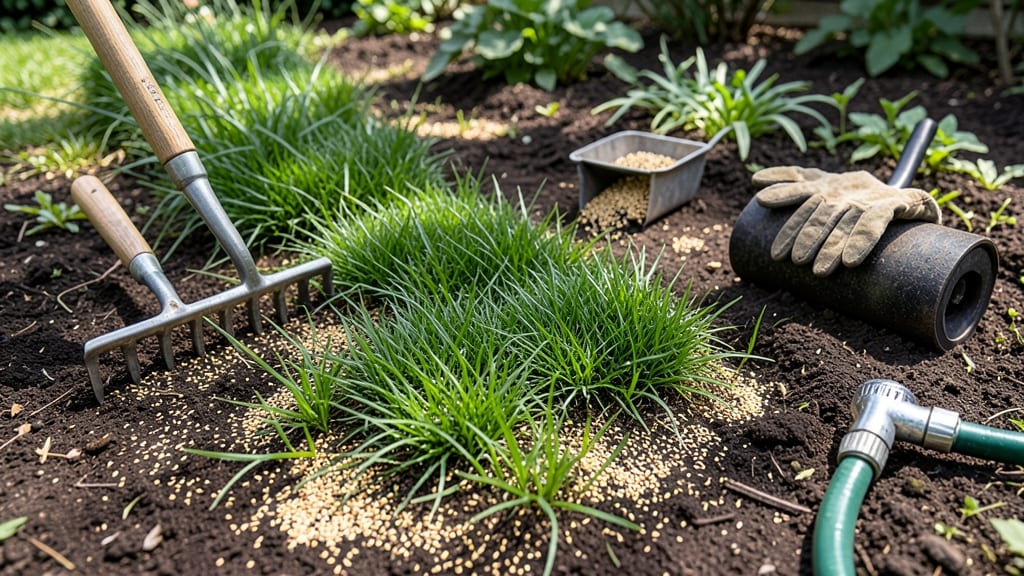
Planting your 🌱 Grass (Turfgrass) at the wrong time in Ohio can mean patchy growth or wasted seed—but timing it right guarantees a thick, vibrant lawn that stays green all season.
Ohio’s 6a climate means you’ve got a narrow window to plant before summer heat or early frosts throw off your progress. Too soon, and frost will kill your seedlings; too late, and summer drought can stunt growth.
The key is planting when soil temps hit 55-65°F, which in Ohio typically lands in early spring (March-April) or early fall (September-October).
Whether you’re seeding a new lawn or overseeding an existing one, getting the timing right is the most important step.
I’ll walk you through Ohio’s frost-free window, soil prep tips, and how to choose the best grass seed for your region—so you can skip the guesswork and get a lawn you’ll love.
Ready to transform your yard? Let’s dive into the best months to plant and how to make your grass thrive from day one.
Ohio’s ideal grass planting window: soil temperature & frost dates
Timing your grass planting in Ohio isn’t just about picking a month—it’s about understanding soil temperature and frost dates to give your grass the best chance to thrive. Ohio’s USDA Zone 6a climate means you’ve got two prime windows: early spring and early fall.
Planting outside these times often leads to weak germination, patchy growth, or even total failure due to extreme heat or frost.
The sweet spot for planting grass seed is when soil temperatures consistently reach between 55°F and 65°F. This range ensures your seeds germinate quickly without risking frost damage or summer drought stress.
In Ohio, this typically aligns with late March to early April for spring and mid-September to early October for fall.
Here’s why these windows matter: Grass seeds need consistent warmth to sprout, but they also require steady moisture to establish roots. Planting too early (like February) risks frost killing new shoots, while planting too late (like May) can leave your lawn struggling in summer heat.
Ohio’s average last frost date is around April 15, and the first frost usually hits by October 15. To maximize success, aim to plant 4-6 weeks before the last frost or 6-8 weeks before the first frost.
This gives your grass enough time to establish before extreme weather sets in.
Let’s break down the ideal planting windows, soil temperature requirements, and how Ohio’s climate zones influence your timing.
| Planting Window | Soil Temp (°F) | Frost Risk | Ohio Climate Zones | Best Grass Types |
|---|---|---|---|---|
| Early Spring (March-April) | 55-65°F | Low (after last frost) | All zones (6a) | Kentucky Bluegrass, Tall Fescue |
| Early Fall (September-October) | 60-70°F | Low (before first frost) | All zones (6a) | Perennial Ryegrass, Fine Fescue |
| Late Summer (August) | 70-75°F | Moderate (if early frost) | Southern Ohio (warmer microclimates) | Bermuda Grass (warm-season) |
| Avoid: Winter (Nov-Feb) | Below 50°F | High (frost kill) | All zones (6a) | N/A (No planting) |
Spring planting in Ohio gives your grass a head start before summer heat sets in. The soil warms up just enough to encourage germination, and your lawn has 3-4 months of growing season before winter dormancy.
However, if you plant too early (like February), your seedlings could still face late frosts or uneven soil temps, leading to patchy growth.
Fall planting, on the other hand, offers cooler temps and consistent moisture as Ohio transitions into autumn. Grass planted in September or early October can establish roots before winter, giving it a stronger start in spring.
This method is especially effective for cool-season grasses like Kentucky Bluegrass and Tall Fescue, which thrive in Ohio’s climate.
If you’re in southern Ohio, where microclimates can be slightly warmer, you might extend your fall planting window into late October. However, northern Ohio gardeners should stick to early September to avoid early frosts. Always check your local frost-free date for the most accurate timing.
One common mistake I see is planting grass in summer (June-July) because the soil is warm. While the temps might seem ideal, the intense heat and drought conditions can cause seeds to dry out before they germinate.
If you must plant in summer, focus on shade-tolerant varieties like Fine Fescue and keep the soil consistently moist.
To test your soil temperature, use a soil thermometer (available at garden centers for under $10). Stick it 2 inches deep in the soil and check temps in the morning. If it’s below 55°F, wait a few more days—your grass will thank you with stronger, faster growth.
Remember, the goal is to give your grass 4-6 weeks of warm, frost-free growth before extreme weather hits. With the right timing, you’ll avoid the most common Ohio lawn failures and end
Best grass seed types for Ohio’s seasons & how to choose
Ohio’s 6a climate means you’ll want to focus on cool-season grasses like Kentucky Bluegrass and Tall Fescue, which thrive in our spring and fall planting windows. These varieties handle Ohio’s hot summers and cold winters better than warm-season options, which struggle in our region.
For southern Ohio or urban heat islands, you might mix in Bermuda grass for summer resilience—but it’s not ideal for most of the state.
Choosing the right grass depends on your yard’s sunlight, foot traffic, and maintenance preferences. Kentucky Bluegrass spreads aggressively, filling bare spots but requiring more water. Tall Fescue is drought-tolerant and low-maintenance, perfect for northern Ohio’s cooler microclimates.
Meanwhile, Fine Fescue thrives in shady areas where other grasses fail.
Here’s how Ohio’s microclimates influence your choice: Southern Ohio’s warmer zones (like Cincinnati) can handle Bermuda grass for summer green-up, while northern areas (like Cleveland) need hardy cool-season blends. Even within your yard, sunny slopes may need Tall Fescue, while shady valleys benefit from Fine Fescue mixes.
| Grass Type | Best Planting Time | Ohio Suitability | Key Traits |
|---|---|---|---|
| Kentucky Bluegrass | Early spring (March-April) or fall (Sept-Oct) | ⭐⭐⭐⭐⭐ (State favorite) | Spreads fast, needs moderate water, sun-loving |
| Tall Fescue | Early spring or fall (drought-resistant) | ⭐⭐⭐⭐ (Best for northern Ohio) | Deep roots, low-maintenance, shade-tolerant |
| Fine Fescue | Early fall (Sept-Oct) preferred | ⭐⭐⭐⭐ (Best for shady yards) | Soft blades, drought-tolerant, low-mow |
| Bermuda Grass | Late spring (May-June) only | ⭐⭐ (Southern Ohio only) | Goes dormant in winter, needs full sun |
For new lawns, I recommend a Kentucky Bluegrass-Tall Fescue blend—it combines spreadability with drought resistance. If your yard has partial shade, add 10-20% Fine Fescue to the mix. Overseeding in early fall (September) is ideal for repairing thin spots, as cooler temps reduce stress on seedlings.
Pro tip: Test your soil’s pH (6.0-7.0 ideal) before planting. Ohio’s clay-heavy soils often need gypsum or compost to improve drainage. Mix in 1-2 inches of topsoil if your existing soil is compacted—this makes all the difference for root establishment.
Once you’ve chosen your seed, water deeply 2x daily for the first 2 weeks to keep soil consistently moist. Avoid walking on new grass until it’s 3-4 inches tall—this prevents soil compaction and gives roots time to anchor.
With the right seed and timing, you’ll have a thick, green lawn by next summer.