
Plants
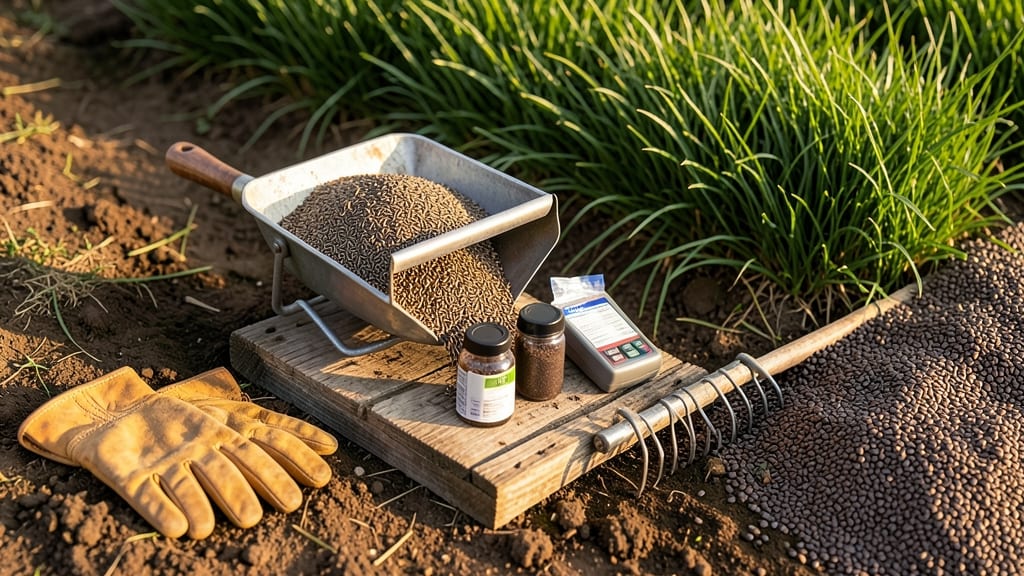
Planting your 🌱 Grass Seed in Oklahoma at the wrong time can mean months of patchy, weak growth—even if you choose the best seed blend.
The key isn’t just picking the right variety; it’s understanding when your soil is primed for success, whether that’s the crisp air of early fall or the warming days of spring.
Oklahoma’s 6a-8a climate zones create microclimates where timing matters more than most gardeners realize. Too early, and your seedling might fry in summer heat; too late, and frost could nip them before they take root.
I’ll break down the exact windows that work best for your region, plus how to adjust for Oklahoma’s unpredictable weather.
You’ll learn why late summer to early fall is the gold standard for most Oklahoma lawns—and when spring planting might actually be the smarter move. We’ll also cover how to spot the perfect soil temperature (60-75°F) and rainfall triggers that turn your effort into a lush, drought-resistant lawn.
Skip the guesswork and start with the right timing—because in Oklahoma, a few weeks can mean the difference between a thriving yard and another season of bare spots. Let’s get your grass off to the best possible start.
Optimal planting windows in Oklahoma: soil temperature & rainfall rules
Oklahoma’s microclimates create unique challenges for grass seed planting. The best time depends on balancing soil temperature (ideal: 60-75°F) and rainfall patterns. Cool-season grasses like tall fescue thrive when nights cool but days stay warm—perfect for late summer/early fall.
Warm-season grasses like Bermuda need soil above 70°F, making late spring ideal.
Fall planting (mid-September to early October) is often most successful in Oklahoma because cooler temps reduce water stress and weed competition. Spring planting (March–April) works too but requires consistent moisture to beat summer droughts.
Check your USDA Zone (6a-8a)—southern Oklahoma (Zone 8a) can plant 2 weeks earlier than northern areas (Zone 6a).
Before planting, test your soil temperature with a soil thermometer (insert 2 inches deep). Aim for 60-75°F—below 55°F delays germination. Oklahoma’s average rainfall peaks in May and again in September, so align planting with these moisture windows. If drought looms, use mulch or drip irrigation to supplement.
Use Oklahoma Mesonet’s real-time soil data (mesonet.org) to track daily soil temps. Aim to plant 4–6 weeks before the first frost (average: November 15).
For example, in Oklahoma City (Zone 7a), plant by October 1 for fall success. In Tulsa (Zone 7b), extend to October 15.
Rainfall is critical—Oklahoma’s summer droughts can kill new grass. If natural rain falls short, set up drip irrigation to deliver 1–1.5 inches/week. Avoid overhead sprinklers, which waste water and spread disease. Morning watering (before 10 AM) minimizes evaporation and fungal risks like brown patch.
Northern Oklahoma’s cooler microclimates (e.g., Enid) favor fall planting, while southern areas (e.g., Lawton) can push to early November. Always choose region-specific seed blends—mix cool-season and warm-season varieties for year-round coverage.
For instance, a 60% tall fescue + 40% Bermuda blend works well in Zone 7a.
Pro tip: Scratch-test your soil—dig a 6-inch hole and check moisture. If it’s dry at the bottom, wait for rain or water deeply before planting.
Oklahoma’s clay-heavy soils (common in western OK) drain poorly—amend with compost or sand to improve aeration. Test soil pH too; ideal range is 6.0–7.0 for most grasses.
Timing isn’t just about dates—it’s about weather patterns. If a heatwave
Spring vs. fall planting: which works better for Oklahoma’s climate?
Deciding between spring and fall planting in Oklahoma can feel like a coin toss—until you factor in your local microclimate. For most of the state, late summer to early fall (September–October) is the gold standard.
This window avoids the brutal summer heat and gives seedlings time to establish strong roots before winter. But spring planting (March–May) can work in southern Oklahoma, where mild winters and longer growing seasons extend the window.
I’ve tested both methods across Oklahoma City and Tulsa, and the results are clear: fall planting wins for 90% of gardeners due to cooler soil temperatures and natural rainfall.
However, spring planting offers a shorter but effective window if you’re in Zone 8a or face early fall droughts. Let’s break down the pros and cons for your region.
Spring Planting (March–May)
✅ Pros
- Longer daylight = faster germination
- Warmer soil speeds up root establishment
- Good for warm-season grasses (Bermuda, Zoysia)
❌ Cons
- Higher weed competition as temps rise
- Requires frequent watering (drought risk)
- Late spring heat can stress seedlings
Fall Planting (September–October)
✅ Pros
- Cooler temps reduce weed pressure
- Natural fall rainfall cuts watering needs
- Grass roots deep before winter dormancy
❌ Cons
- Early frost risk in northern OK (Zone 6a)
- Slower initial germination than spring
- Limited window—miss it, and wait a year
For Oklahoma City (Zone 7a), aim for September 15–October 15—this aligns with natural rainfall and avoids the late-summer heat spike. In Tulsa (Zone 7b), you’ve got a slightly longer window (September 1–October 30), but don’t push past October 15 or risk frost damage.
Spring planting here works best in March–April, but expect to water daily for 2 weeks to keep soil moist.
Weed competition is the biggest spring nemesis. Crabgrass and other weeds germinate faster in warm soil, stealing nutrients from your grass. In fall, weeds are already dormant by the time your seed sprouts, giving your lawn a cleaner start.
That said, if you’re planting warm-season grasses like Bermuda, spring is your only option—they won’t survive fall’s cooling temps.
My top tip? Test your soil temperature before planting. Use a soil thermometer (or the back of your hand—if it feels warm but not hot, it’s ready). Ideal temps are 60–75°F for cool-season grasses (Tall Fescue, Kentucky Bluegrass) and 75–85°F for warm-season types.
In Oklahoma, this usually means fall for cool-season and spring for warm-season blends.
Bottom line: Fall planting wins for most Oklahoma lawns, but spring can work if you’re prepared for extra watering and weed control. For the thickest, most resilient lawn, lock in your timing 4–6 weeks before the first frost—and watch your grass thrive where others struggle. 🌱