
Plants
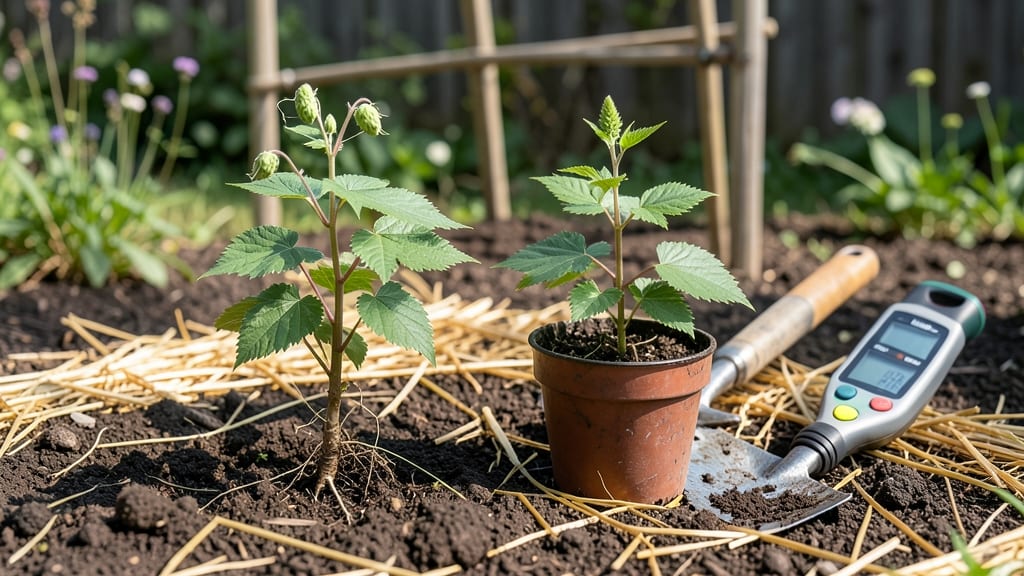
When is the best time to plant hops in Michigan? It’s not just about the calendar—it’s about dodging frost, embracing your microclimate, and giving those 🍺 vines the perfect head start.
With last frost dates swinging from mid-April in the south to late May in the Upper Peninsula, timing your hop rhizomes wrong could mean wasted effort or even frost-killed plants.
You’ve got 3-4 weeks before the last frost to get your hops in the ground, but that window shifts depending on whether you’re in Zone 5b or Zone 6b.
Too early, and a late freeze will nip your young shoots. Too late, and your vines won’t have enough time to establish roots before summer heat sets in.
Here’s the game-changer: I’ll break down the exact weeks to plant in your corner of Michigan, plus how to tweak that timeline for shady spots, windy yards, or urban gardens. No more guessing—just data-driven, frost-proof planting.
Ready to turn your backyard into a hop haven? Let’s dive into the best times to plant, soil prep secrets, and how to keep those vines thriving until harvest—because in Michigan, timing is everything.
Michigan’s last frost zones: exact weeks before planting hops by region
Michigan’s USDA hardiness zones 4-6 create a complex planting puzzle for hop growers. The Upper Peninsula faces later springs, while Southern Michigan warms up faster. To avoid frost damage and ensure strong growth, timing is everything.
Hops (Humulus lupulus) need soil temperatures above 50°F and at least 150 frost-free days to thrive.
Your planting window depends on your last average frost date. In Zone 6b (e.g., Detroit), you can plant 2-3 weeks before May 15. But in Zone 4b (e.g., Marquette), wait until 3-4 weeks after April 15.
These differences matter—frost-killed hops won’t recover, and delayed planting shortens your harvest season.
Here’s a region-by-region breakdown of Michigan’s frost zones, with exact weeks before last frost to plant hops. Use this as your planting calendar and adjust for your specific microclimate (e.g., urban heat islands or sheltered valleys).
| Region | USDA Zone | Avg. Last Frost | Planting Window | Actionable Deadline |
|---|---|---|---|---|
| Upper Peninsula (e.g., Marquette, Houghton) | 4b-5a | May 5–10 | 3–4 weeks before last frost | April 15–20 |
| Northern Lower Peninsula (e.g., Traverse City, Gaylord) | 5a-5b | May 1–5 | 2–3 weeks before last frost | April 15–25 |
| Central Michigan (e.g., Lansing, Grand Rapids) | 5b-6a | May 10–15 | 2 weeks before last frost | April 25–May 1 |
| Southern Michigan (e.g., Detroit, Ann Arbor, Kalamazoo) | 6a-6b | May 10–15 | 1–2 weeks before last frost | May 1–5 |
For Zone 4b growers in the Upper Peninsula, start hops indoors in late March to extend your season. Use grow lights and transplant outdoors only after your actionable deadline.
In Zone 6b, you can push planting slightly later, but avoid waiting past May 15—hops need 90–120 days to mature.
Pro tip: Check local frost records from the Midwestern Regional Climate Center or your county extension office for hyper-local adjustments. A late frost in Zone 5b can delay planting by 1–2 weeks, so stay flexible. Use row covers or cold frames if early planting is tempting.
Hops planted too early risk frost damage to tender shoots, while late planting reduces cone yield. Aim for soil temps of 50°F+ and consistent warmth—this is your sweet spot for Michigan hop success. Monitor your local weather forecasts in the weeks leading up to your deadline.
Once planted, hops grow rapidly—expect 8–12 feet of vine in their first year. Secure a strong trellis system (at least 15 feet tall) to support their weight.
In Zone 4b, you may need to prune aggressively to protect vines from late-season frosts, while Zone 6b growers can let them climb freely.
Remember: Hops are perennial in Michigan’s climate, meaning they’ll return year after year if cared for properly. Your first-year planting sets the stage for future harvests, so don’t rush the process. Follow these region-specific deadlines, and you’ll be well on your way to a bountiful hop garden.
For extra insurance, plant a few extra rhizomes in late May if your area experiences an unexpected late frost. This backup batch ensures you still get a harvest, even if Mother Nature throws a curveball. Happy planting!
How to adjust planting time for microclimates in Michigan: sun exposure, wind, and soil factors
Michigan’s microclimates can shift hop planting windows by 2-4 weeks, depending on whether you’re in a sheltered valley or a wind-swept hilltop. Urban gardens with concrete heat absorption may even allow earlier plantings than rural areas.
Understanding these factors lets you extend your growing season or protect young plants from unexpected frosts.
For example, Detroit’s urban heat islands can push last frost dates 1-2 weeks earlier than surrounding farmland, while the Upper Peninsula’s exposed sites may require 3-4 weeks of delay. The key is matching your soil temperature (hops need ≥50°F) with local frost risks and sun exposure patterns.
- 1. Urban Gardens: Plant 1-2 weeks earlier than rural areas. Use black plastic mulch to warm soil 5-10°F faster than bare ground. Monitor sidewalk/cement heat near planting sites.
- 2. Sheltered Valleys: Start 2 weeks before standard last frost dates. Cold air pools at valley floors, so plant uphill slopes first to avoid frost pockets. Use row covers for nighttime protection.
- 3. Exposed Hilltops: Delay planting 3-4 weeks after last frost. Install windbreaks (e.g., corn stalks or evergreen screens) to reduce windburn on young bines. Choose wind-resistant varieties like 'Fuggle'.
- 4. Cold Frames/Row Covers: Extend season 4-6 weeks earlier by using low tunnels or hoop houses. Remove covers when soil reaches 55°F to prevent overheating. Ideal for Zone 5b growers.
- 5. Soil Temperature Triggers: Plant only when soil is consistently 50°F+ at 4" depth. Use a soil thermometer—hops won’t thrive in cold, wet soil. In Zone 4-5, wait until May 10-20 for safety.
Adjusting for wind exposure is critical—hops can suffer windburn or root stress in open areas. If your site gets consistent winds >10 mph, plant near natural windbreaks like fences or hedgerows.
For extreme cases, use trellis wind guards (e.g., nylon mesh screens) to protect young vines during their first 6-8 weeks.
Soil factors also play a role: Clay-heavy soils in northern Michigan stay cold longer, while sandy loams in southern regions warm up faster. Amend heavy soils with compost or peat moss to improve drainage and warmth.
A simple test? Press your finger into the soil—if it feels cooler than 50°F at 4" depth, wait another week.
Pro tip: Use frost clocks or local CoCoRaHS weather stations for hyper-local data. Michigan State University’s Enviro-weather tool provides real-time frost risk maps—plug in your ZIP code to get microclimate-specific alerts. With these adjustments, you can push your hop harvest 2-3 weeks earlier than neighbors in similar zones.