
Flowers
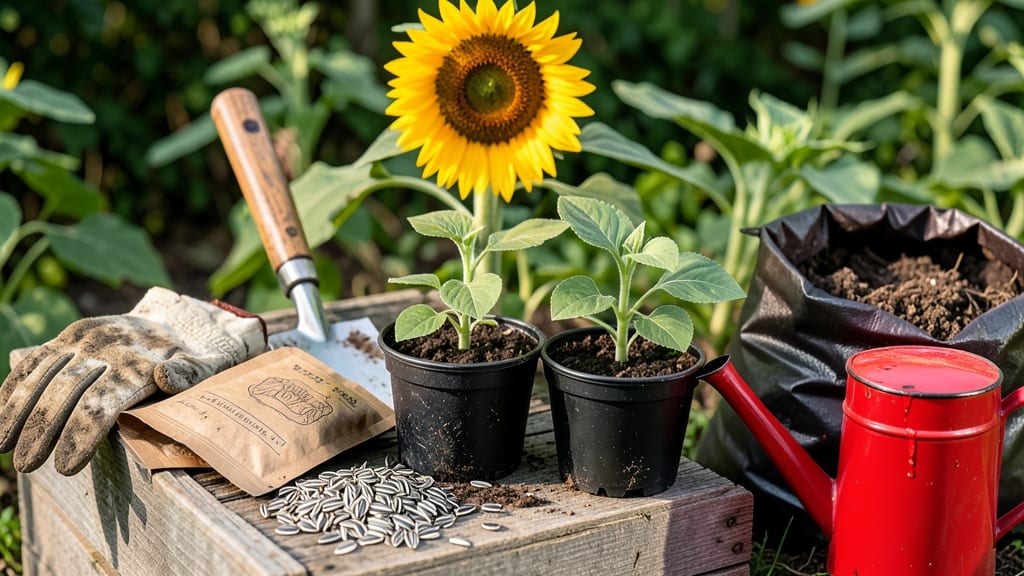
Planting sunflowers in Florida at the wrong time means watching them bolt in the heat or struggle through weak stems—something no gardener wants. The key to zero frost survival and towering 🌻 blooms lies in understanding Florida’s unique heat zones and their deadlines.
Most gardeners assume spring is the only window, but Florida’s climate actually offers two prime opportunities: late winter through early spring and late summer for fall blooms. Whether you're in Zone 8a or Zone 11, timing matters more than you think.
I’ll break down exactly when to plant—from soil temperature thresholds to regional variations—so you can avoid common pitfalls like heat stress or late-season pests. Ready to grow sunflowers that reach their full potential?
Let’s dive into the strategies that’ll have your garden bursting with golden blooms all season long.
Florida’s frost-free zones: sunflower planting deadlines by region
Florida’s USDA hardiness zones 8A-11 create a unique growing environment where sunflowers can thrive year-round—but only if planted at the right time. Unlike northern states, Florida’s frost-free periods allow for two planting windows: spring and fall.
Missing these windows means risking heat stress or stunted growth, especially in Zone 8A where rare frosts can still occur.
For most of Florida, the last frost date ranges from mid-January in the Panhandle (Zone 8A) to no frost at all in Miami (Zone 11).
This means gardeners in Zones 9B-11 can plant sunflowers almost anytime, while those in Zones 8A-9A must time their plantings carefully to avoid frost damage.
Here’s the breakdown you need to maximize your sunflower’s growth potential in each Florida region:
| Zone | Last Frost Date | Spring Planting Window | Fall Planting Window | Soil Temp Threshold | Key Varieties |
|---|---|---|---|---|---|
| 8A (Panhandle) | Jan 15 | March 15 - April 15 | August 1 - September 1 | 60°F+ | 'Autumn Beauty', 'Moulin Rouge' |
| 9A (North FL) | Jan 1 (rare) | February 15 - April 30 | July 15 - September 15 | 65°F+ | 'Teddy Bear', 'Russian Giant' |
| 9B (Central FL) | None | January 15 - May 15 | June 15 - October 15 | 70°F+ | 'ProCut', 'Sunspot' |
| 10A (South FL) | None | December 1 - June 1 | May 15 - November 15 | 75°F+ | 'Evening Sun', 'Dwarf Sungold' |
| 10B-11 (Miami) | None | Year-round (best Dec-Apr) | Year-round (best Jun-Oct) | 80°F+ | 'Sunflower 'Moulin Rouge', 'Teddy Bear' |
In Zone 8A, where frosts are possible, stick to planting after March 15 to avoid damage. The soil temperature threshold of 60°F+ is critical—cold soil delays germination. Use a soil thermometer to confirm before sowing seeds.
For Zones 9A-10B, you’ve got flexibility. Plant in late winter (Jan-Feb) for summer blooms or late summer (Aug-Sept) for fall color. In Zone 11, you can even plant year-round, but heat-tolerant varieties like 'Evening Sun' perform best in summer.
Pro tip: If you’re in Zone 9A or below, consider fall planting for late-season blooms. Sunflowers planted in August-September will often outperform spring plantings by avoiding summer heat stress.
Remember, sunflowers need full sun (6+ hours daily) and well-draining soil. Amend heavy clay soils with compost to prevent root rot, especially in Florida’s humid climate. Mulch around plants to retain moisture and regulate soil temperature.
By aligning your planting with these frost-free zone deadlines, you’ll ensure your sunflowers grow tall, strong, and frost-free—ready to brighten your garden from summer through fall.
Direct sowing vs. starter plants: Florida-specific timing strategies
Deciding whether to direct sow sunflower seeds or transplant seedlings in Florida depends on your local microclimate and soil temperature.
Coastal areas like Miami (Zone 11) can start as early as February, while inland zones like Orlando (Zone 9) should wait until March when soil warms to 60°F+. The wrong choice can lead to stunted growth or heat stress.
Sunflowers are fast growers, but they hate cold soil. In North Florida (Zone 8a), transplanting seedlings is safer—you can start them indoors in February and move them out after April 15, when nighttime temps stay above 55°F.
In South Florida (Zone 10b-11), direct sowing works year-round, but summer planting requires shade cloth to protect young sprouts from intense sun.
| Method | Best Florida Zones | Soil Temp Threshold | Planting Window | Pros | Cons |
|---|---|---|---|---|---|
| Direct Sowing | Zones 9-11 (coastal) | 60°F+ | Feb-May, Aug-Sept | Faster growth, no transplant shock | Slower early growth, pest risk |
| Starter Plants | Zones 8a-10a (inland) | 55°F+ (transplant) | March-May, July-Aug | Head start, stronger roots | Costly, transplant shock risk |
For direct sowing, wait until the soil temperature consistently stays above 60°F—use a soil thermometer to check. In North Florida, this usually means mid-April.
Plant seeds 1 inch deep and 6-12 inches apart, depending on the variety. Dwarf varieties like ‘Teddy Bear’ can handle closer spacing, while giant varieties like ‘Mammoth’ need more room to avoid overcrowding.
If you opt for starter plants, harden them off for 7-10 days before transplanting. In South Florida, you can even plant in late summer (August-September) for fall blooms, but use shade cloth to protect seedlings from afternoon sun.
Avoid transplanting when humidity is high, as this increases the risk of powdery mildew.
My personal tip: If you’re in Zone 9 or higher, try succession planting—direct sow every 2 weeks from March to May for continuous blooms. For North Florida gardeners, stick to transplants and focus on heat-tolerant varieties like ‘Autumn Booster’ for fall planting.
Remember, sunflowers are drought-tolerant once established, but young plants need consistent moisture. Mulch around the base to retain soil moisture and keep roots cool during Florida’s hot summer afternoons.