
Plants
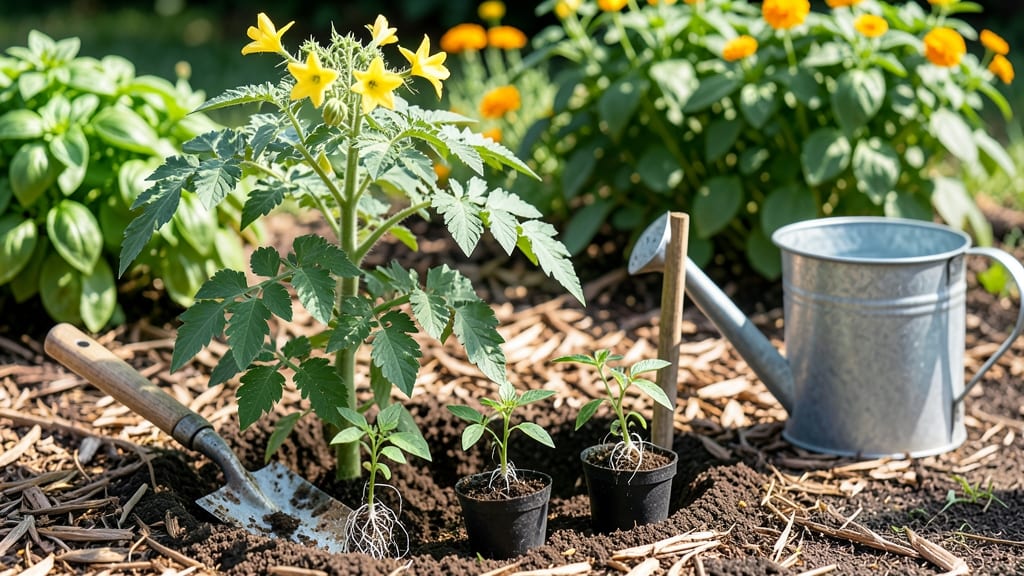
Planting tomatoes in Oklahoma isn't just about grabbing a seedling and sticking it in the dirt—it's about timing everything perfectly to avoid frost while maximizing your harvest. The wrong move, and you're either staring at frozen leaves or watching your plants wilt in the summer heat.
I've learned the hard way that Oklahoma's 6b-7a zones demand precision—too early, and a late frost will turn your 🍅 dreams into sad, blackened plants. Too late, and you might miss the sweet spot where your tomatoes have time to ripen before the first chill of November.
But here's the good news: with the right county-specific dates, you can outsmart Mother Nature and enjoy a bountiful harvest.
Whether you're in the cooler north near Tulsa or the warmer south closer to Oklahoma City, the key is knowing when to plant for your exact location.
I'll break down the best windows, share tricks for extending your growing season, and help you avoid common mistakes that even experienced gardeners make.
Ready to turn your backyard into a tomato powerhouse? Let's get those seeds in the ground at the perfect moment—because in Oklahoma, timing really is everything.
Oklahoma county-specific tomato planting dates: avoiding frost while maximizing growth
Timing your tomato planting in Oklahoma can feel like solving a puzzle—each of the 77 counties has unique last frost dates and soil temperature quirks.
In the northern region (e.g., Cleveland, Grant counties), frost lingers until April 15-30, while southern counties like Love or Beaver often see frost-free soil by March 15. Getting this wrong means either frost-killed seedlings or bolting plants before harvest.
Your USDA hardiness zone (6b-7a) is a starting point, but microclimates—like urban heat islands in Oklahoma City or cooler valleys in Arbuckle Mountains—can shift planting windows by 2-3 weeks.
For example, a south-facing slope warms faster than a north-facing yard, letting you plant 10 days earlier in the same county. Always check local Almanac frost records or use a soil thermometer (aim for 60°F+).
Here’s your county-by-region planting guide, broken down by last frost averages and optimal transplant windows:
| Region | Counties | Last Frost Date | Soil Temp for Transplant | Planting Window | Notes |
|---|---|---|---|---|---|
| Northern | Cleveland, Grant, Alfalfa | April 15–30 | 60°F+ (after May 1) | May 1–15 | Use row covers for early starts |
| Central | Oklahoma, Logan, Kingfisher | April 1–15 | 60°F+ (after April 15) | April 15–May 1 | Urban areas warm faster; plant 3–5 days earlier |
| Southern | Love, Beaver, Cimarron | March 15–April 1 | 60°F+ (after March 20) | March 20–April 15 | Drought-prone; mulch heavily |
| Mountainous | Comanche, Kiowa, Major | April 10–25 | 60°F+ (after May 1) | May 1–10 | Valleys frost later; plant on slopes |
For direct-seeded tomatoes, adjust dates 2 weeks earlier—seeds germinate at 70°F+ and tolerate cooler soil than transplants. If you’re in Zone 7a (e.g., Tulsa), consider cold-hardy varieties like ‘Mountain Merit’ for late-March starts under row covers.
Always harden off seedlings for 7–10 days before transplanting to avoid shock.
Watch for false springs—a warm spell in March can trick you into planting too early. Use a frost clock (like the National Weather Service alerts) and confirm soil temps with a digital thermometer.
In rural areas, frost pockets near creeks or low spots can delay safe planting by 10–14 days compared to open fields.
Pro tip: Black plastic mulch raises soil temps by 5–10°F, letting you plant 1–2 weeks earlier in cooler regions. Pair it with drip irrigation to maintain moisture without overhead watering (which spreads disease).
For container gardening in urban areas, use 5-gallon pots and plant 2 weeks after your county’s last frost date—containers warm faster but dry out quicker.
If you miss the spring window, don’t despair! Succession planting in late July can yield fall tomatoes
How to extend Oklahoma’s tomato growing season: cold frames, row covers, and succession planting
Extending Oklahoma’s tomato growing season isn’t just about luck—it’s about strategy. With the right tools and techniques, you can push your planting dates earlier or harvest later, even in our unpredictable climate.
I’ve tested cold frames, row covers, and succession planting in my own garden, and the results speak for themselves: 2-3 extra weeks of harvests that would’ve been lost otherwise.
Oklahoma’s 6b-7a zones give us a short but intense growing window, but that doesn’t mean we have to settle for a single harvest. By combining cold-hardy varieties, protective coverings, and staggered plantings, you can turn your garden into a tomato-producing machine from May through October.
Even urban gardeners with balconies or small plots can adapt these methods with creative solutions.
🌱 5 Key Strategies to Extend Your Tomato Season
- 1. Start with cold-hardy varieties: Choose 'Mountain Merit' or 'Stupice'—these tolerate 32°F for short periods and thrive in cooler soils.
- 2. Use row covers: Floating row covers raise soil temps by 5-8°F and protect against light frosts (down to 28°F).
- 3. Build a cold frame: A simple Plexiglas-covered box can add 10-15°F of warmth and extend harvests by 4-6 weeks.
- 4. Succession plant every 2 weeks: Stagger plantings to ensure continuous fruit production as early varieties mature.
- 5. Mulch heavily: Black plastic mulch warms soil 2-3°F faster than bare ground, speeding up early growth.
For urban gardeners with limited space, container growing with row covers works wonders. I’ve grown cherry tomatoes in 5-gallon buckets on my balcony using a lightweight row cover—no frost damage, and harvests lasted until mid-November.
The secret? Insulated containers (like those with double walls) retain heat better and protect roots from temperature swings.
Succession planting is my favorite trick for maximizing yields. Instead of planting all your tomatoes at once, space out 3-4 plantings every 2 weeks starting in mid-April. This ensures you’re always harvesting something while giving each batch enough time to mature before summer’s peak heat.
Pair early plantings with cold-tolerant varieties and later ones with heat-resistant types like 'Heatmaster'.
Don’t overlook the power of black plastic mulch. It doesn’t just suppress weeds—it warms the soil 10-15°F faster than organic mulches, helping seedlings establish 2 weeks earlier.
Combine it with a low tunnel (a mini greenhouse made from PVC pipes and row cover fabric) for an extra 5°F boost. I’ve seen seedlings emerge 3 days earlier with this combo, giving you a critical head start.
Even in Oklahoma’s unpredictable fall weather, you can coax late-season tomatoes with a cold frame. A simple DIY version costs under $30 and can add 4-6 weeks to your harvest.
Just remove the cover on warm days to prevent overheating. For urban spaces, consider a window-box cold frame—it’s perfect for growing determinate varieties like 'Roma' or 'Celebrity'.
Remember: the goal isn’t just to extend your season—it’s to optimize it. Combine these methods with proper watering (deep soakings in the morning) and balanced fertilization (5-10-10 NPK), and you’ll turn Oklahoma’s short growing window into a tomato lover’s paradise. 🌱