
Trees
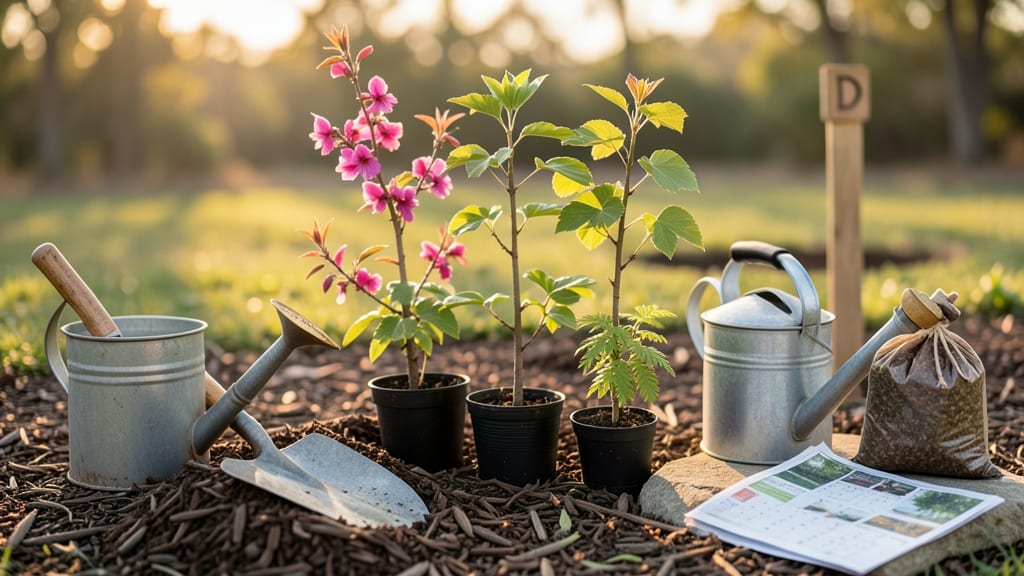
Planting a tree in Missouri at the wrong time can turn your green thumb into a waiting game, watching years of growth stall before it even starts.
With frost dates that shift like Missouri weather, knowing whether to dig in the crisp air of fall or the budding warmth of spring makes all the difference for your 🌳’s long-term health.
Most gardeners assume spring is the only safe bet, but fall actually gives roots a head start before winter—if you time it right. I’ve seen trees planted in late October thrive while their spring counterparts struggle through transplant shock.
The key? Understanding your USDA zone’s last frost date and soil conditions.
In this guide, I’ll break down the best planting windows for Missouri’s 5b-6b zones, from St. Louis’s urban heat islands to Kansas City’s cooler pockets. You’ll learn how to prep soil, pick the right tree species, and avoid the critical mistakes that derail even well-intentioned plantings.
Whether you’re restoring a backyard canopy or adding shade to your property, getting the timing right means stronger roots, faster growth, and a tree that stands the test of Missouri’s unpredictable seasons. Let’s get started.
Missouri’s ideal planting windows: spring vs fall for tree root growth
Missouri’s diverse climate creates distinct advantages for planting trees in both spring and fall. While many gardeners default to spring, fall often offers cooler temperatures and optimal soil moisture—critical factors for root establishment.
Understanding these seasonal differences helps you choose the best window for your specific tree species and region.
In northern Missouri (USDA zones 5b-6a), frost dates are earlier, limiting spring planting to late March through April. Meanwhile, southern Missouri (zones 6b-7a) can plant as late as early May before summer heat sets in.
Fall planting, however, remains consistent across the state from September through October, avoiding the stress of summer drought.
Fall planting is often preferred because trees establish 60% more roots before winter dormancy compared to spring-planted trees. The cooler soil temperatures reduce transplant shock, while consistent moisture from autumn rains supports early root growth. For bare-root trees, fall planting is ideal as the roots remain dormant until spring.
Spring planting, however, allows trees to leverage the entire growing season. If you choose spring, plant after the last frost date (typically mid-March in southern MO and late April in northern MO). Container-grown trees can handle spring planting better than bare-root varieties, which may suffer from early-season drought.
For deciduous trees like oaks and maples, fall is superior because they enter dormancy naturally. Evergreens, however, should be planted in early spring to avoid winter desiccation. Always check your local USDA zone—St. Louis (zone 6b) has different frost dates than Kansas City (zone 5b).
Missouri’s microclimates further complicate timing. Urban areas like Columbia may experience heat islands, delaying spring planting until May. Rural areas with loamy soil retain moisture longer, extending fall planting into November. Test your soil’s moisture retention before deciding.
Pro tip: Use mulch (3-4 inches) after planting to retain moisture and regulate soil temperature. For spring plantings, apply a slow-release fertilizer to compensate for limited root growth before summer. Fall plantings benefit from a light compost top-dressing to feed early root development.
Regardless of season, water deeply after planting—15-20 gallons for young trees—to encourage root penetration. Monitor soil moisture weekly, especially in clay-heavy areas like northern Missouri, where water can pool and suffocate roots.
Missouri’s unpredictable weather means flexibility is key. If spring rains delay planting, fall remains your safety net. Conversely, if fall arrives early with frost, spring planting becomes your only option. Always prioritize root establishment over rigid schedules—healthy roots mean healthier trees for decades.
How to prepare Missouri soil and choose trees for seasonal planting success
Missouri’s clay-heavy soils and variable USDA zones 5b-6b demand careful preparation before planting trees. Whether you’re planting in spring or fall, soil health directly impacts root establishment and long-term growth.
Start by testing your soil’s pH and nutrient levels—most Missouri trees prefer a slightly acidic to neutral range of 6.0-7.0.
Native species like white oak and redbud thrive in Missouri’s conditions, but even they need proper soil prep. Amend compacted clay with compost or aged manure to improve drainage and aeration. For drought-prone areas, consider adding sand or perlite to create a well-draining mix that prevents root rot.
- Test soil pH (aim for 6.0-7.0)
- Add compost (2-3 inches mixed into topsoil)
- Loosen clay soil with gypsum or sand
- Choose native species (e.g., bur oak, hackberry)
- Mulch heavily (3-4 inches of wood chips)
For spring planting, focus on moisture retention—Missouri’s dry winds can stress young trees. Select drought-tolerant varieties like sycamore or honey locust if your site has poor water access.
In fall planting, prioritize root establishment before winter by planting 6-8 weeks before the first frost (typically by October 15 in most regions).
Missouri’s northern regions (e.g., St. Louis) benefit from earlier fall plantings due to cooler temperatures, while southern areas (e.g., Springfield) can extend planting into late November. Always match your tree’s hardiness zone—check the USDA Plant Hardiness Zone Map to avoid transplant shock.
After planting, water deeply weekly for the first year, then taper to bi-weekly once established. Apply a 2-3 inch mulch layer to retain moisture and suppress weeds, but avoid piling mulch against the trunk to prevent rot.
For container-grown trees, plant slightly deeper than their nursery pot to encourage root expansion.
Native Missouri trees like eastern redbud and swamp white oak offer low-maintenance beauty and resilience. Pair them with drought-resistant ground covers like creeping phlox to reduce water needs. With proper soil prep and species selection, your trees will establish strong roots and flourish year after year.