
Plants
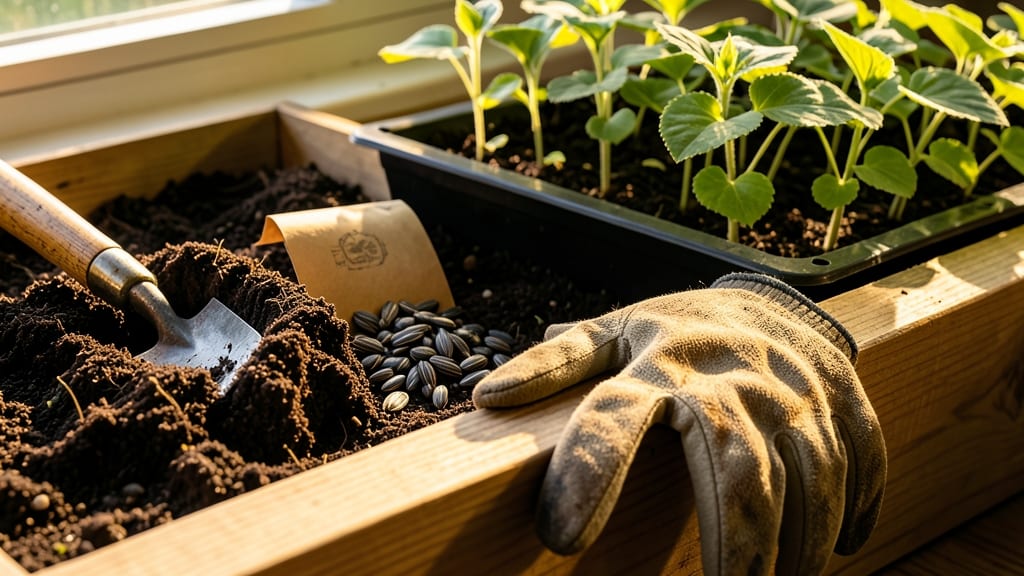
Planting sunflower seeds in Florida at the wrong time can mean the difference between towering 🌻 giants reaching for the sky and sad, stunted plants struggling in the heat.
Unlike northern climates, Florida’s long growing season and rare frost give you two perfect windows—spring and fall—but timing matters more than you might think.
If you plant too early, those delicate seedlings may bolt or wilt under Florida’s 90°F+ summer sun. Too late, and you’ll miss the chance for 6-foot-tall blooms before winter sets in.
The key is understanding how Florida’s heat zones (9a-11) affect your sunflowers, whether you’re in humid South Florida or the slightly cooler North.
I’ve grown sunflowers across Florida’s microclimates, from coastal breezes to inland heat, and I’ll show you exactly when to drop those seeds for the strongest, most vibrant blooms. No more guessing—just science-backed dates tailored to your backyard.
Ready to grow sunflowers that put on a show? Let’s dive into the best months, soil prep secrets, and how to beat Florida’s summer heat without losing your plants to stress.
Best planting months for sunflowers in Florida’s heat zones
Florida’s heat zones 8A-10A create unique challenges for sunflower growers. Unlike northern climates, we don’t have to worry about frost damage—but we DO face intense summer heat and humidity spikes that can stress young plants.
The key is planting during cooler transition months when temperatures stabilize, giving sunflowers time to establish strong roots before Florida’s brutal July-August heat arrives.
For maximum bloom height and vibrant flowers, I recommend two primary planting windows: late winter/early spring (February-April) and early fall (September-October). These timings align with Florida’s rainy season patterns and temperature fluctuations, creating optimal conditions for germination and growth without overwhelming young seedlings.
Here’s how Florida’s USDA heat zones influence your planting schedule:
| Heat Zone | Best Planting Window | Avoid Planting | Key Consideration |
|---|---|---|---|
| 8A (North FL: Jacksonville, Gainesville) | Feb 15 - Apr 15 Sep 1 - Oct 15 |
May - Aug (extreme heat) | Cooler nights in spring/fall prevent heat stress |
| 9A (Central FL: Orlando, Tampa) | Feb 28 - Mar 31 Sep 15 - Oct 31 |
Jun - Sep (peak humidity) | Use shade cloth for seedlings in summer |
| 9B (South FL: Kissimmee, Ocala) | Mar 1 - Apr 15 Sep 1 - Oct 1 |
Apr 16 - Sep 30 (consistent heat) | Plant dwarf varieties for summer tolerance |
| 10A (South FL: Miami, Fort Lauderdale) | Jan 15 - Feb 15 Aug 15 - Sep 15 |
Mar - Jul (too hot) | Container growing recommended for heat zones |
Notice how the optimal planting windows shift slightly as you move south? In Zone 10A (Miami area), you can even plant in late summer—something impossible in northern Florida. This reflects how Florida’s microclimates create distinct growing conditions even within the same state.
For spring planting, aim to get seeds in the ground by mid-April in northern zones or early March in southern zones. This gives plants time to reach 3-4 feet tall before Florida’s summer heat peaks in June.
The 60-90 day growth window for most sunflower varieties means you’ll want blooms appearing just as summer cools slightly in late August.
Fall planting follows a similar logic but works in reverse. Plant September-October seeds to ensure they mature before winter chills arrive in December. In Zone 8A, this means aiming for harvest-ready flowers by November, while Zone 10A growers can enjoy blooms through January with proper timing.
One common mistake I see is planting sunflowers too early in spring (January-February in northern zones) or too late in fall (November in southern zones). While Florida rarely gets frost, unpredictable cold snaps can still occur, especially in Zone 8A.
Always check your local extended weather forecast and be prepared to use row covers if nighttime temperatures dip below 50°F.
For summer planting (June-July), only attempt this in Zone 10A with dwarf varieties like 'Teddy Bear' or 'Moulin Rouge'. These heat-tolerant types can handle 90°F+ temperatures better than standard varieties. Even then, provide afternoon shade for the first 4-6 weeks and water deeply every 2-3 days to prevent root stress.
Pro tip: Use a soil thermometer to check ground temperatures before planting. Sunflower seeds need soil temps of at least 60°F to germinate properly. In Florida’s summer, this often means waiting until late afternoon when the ground has absorbed enough heat to reach this threshold.
How to adjust planting dates for Florida’s microclimates
Florida’s diverse microclimates mean coastal areas stay cooler and wetter than inland zones, while urban heat islands can bake young sunflowers faster. Adjusting your planting dates based on these differences ensures your sunflowers grow tall and vibrant instead of wilting under stress.
For example, coastal Florida (like Miami) can plant sunflowers as early as February, while inland areas (like Orlando) should wait until March or April to avoid early heat stress.
Urban gardens often face higher temperatures due to pavement and buildings, so I recommend starting seeds indoors in late February and transplanting after April 15. Rural areas with more shade trees can push planting dates back to May for fall blooms, avoiding the peak summer heat.
Always check your local USDA heat zone (8A-11) to fine-tune timing.
⚠️ Heat Stress Warning Signs in Young Sunflowers
Watch for these red flags in seedlings planted too early or in hot microclimates:
- Wilting leaves by midday, even with water
- Yellowing between leaf veins (heat scorch)
- Stunted growth (less than 2 inches in 2 weeks)
- Drooping flower buds before opening
If you see these signs, move plants to partial shade immediately and water deeply at soil level (not overhead).
To extend your growing season, use shade cloth (30-50%) over young plants during June-August heatwaves. I’ve had success with raised beds in urban areas—they warm up faster in spring but also drain better, preventing root rot during Florida’s sudden summer rains.
For coastal gardens, consider planting in elevated containers to avoid salt spray damage.
Fall planting is another smart strategy. In North Florida (zones 8A-9A), sow seeds by September 15 to avoid early frost risks (rare but possible). In South Florida (zones 10A-11), you can plant until November 1, but use shade cloth if temperatures dip below 60°F at night.
Always test your soil’s drainage—sunflowers hate soggy roots, common in Florida’s clay-heavy soils.
Pro tip: Plant dwarf varieties like ‘Teddy Bear’ in urban microclimates where space is limited—they tolerate heat better than giant varieties. For inland areas, opt for tall varieties like ‘Russian Giant’ and plant them in May to avoid early heat stress.
Monitor your plants’ water needs closely; Florida’s humidity means fungal diseases like powdery mildew thrive when leaves stay wet overnight.
By adjusting your planting dates based on your specific microclimate and using shade or raised beds as needed, you’ll grow sunflowers that reach their full 10-14 foot potential with vibrant blooms from spring through fall.
Start small with a few test plants to refine your local timing—every Florida garden has its own unique growing rhythm! 🌻