
Companion Plants
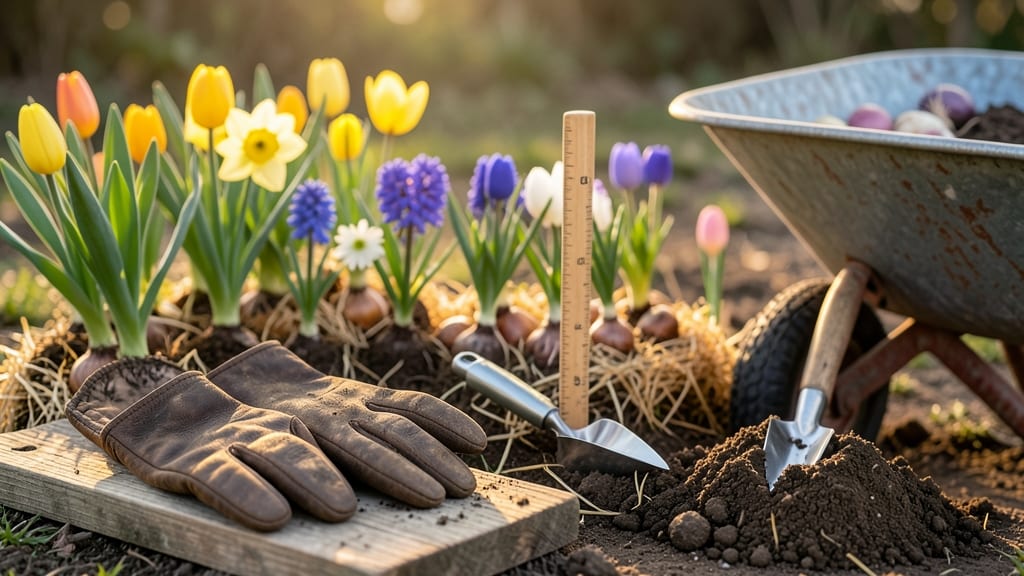
Planting bulbs in the fall at the wrong time can mean the difference between a spring garden bursting with color and a missed opportunity. You’ve likely heard the rule—plant them 6-8 weeks before frost—but what does that really mean for your climate zone?
The truth is, timing varies wildly depending on where you live. In USDA Zone 6a, like many gardeners, you’ve got a narrow window—typically late September to early November—to get those 🌱 roots established before winter sets in.
But if you’re in the Deep South or Pacific Northwest, the ideal window shifts by weeks.
Don’t worry if you’re unsure—this guide breaks down the exact months for your region, plus pro tips for adjusting if frost comes early or late. You’ll learn how to read soil temperatures, choose the right bulbs for your area, and even troubleshoot common mistakes that kill blooms before they start.
Ready to set your garden up for next spring’s showstopper display? Let’s dive into the perfect planting schedule so you never miss another bloom again.
Fall bulb planting schedule by USDA climate Zone: exact months for success
Planting fall bulbs like tulips and daffodils too early or late can mean the difference between a vibrant spring display and wasted effort. The key? Aligning your planting with your USDA climate zone and soil temperature.
Most bulbs need 6-8 weeks to establish roots before the ground freezes—so timing varies wildly from Zone 3 to Zone 10. For example, gardeners in Minnesota might plant in late September, while those in Florida can wait until November.
Let’s break it down by zone to ensure your bulbs thrive.
Regional differences also play a huge role. The Pacific Northwest often gets cooler, wetter falls, pushing planting dates later than the Deep South, where early frosts are rare. Even within a zone, microclimates—like a sunny slope versus a shaded valley—can shift ideal planting by 2-4 weeks.
Always check your last frost date and aim to plant when soil temps hover around 60°F (ideal for root growth) but before nighttime temps dip below 40°F consistently.
Here’s your zone-by-zone planting schedule, including soil temp guidelines and regional tweaks to maximize success.
| USDA Zone | Ideal Planting Month | Soil Temp Range | Regional Notes | Frost Buffer |
|---|---|---|---|---|
| 3-4 | Mid-September to early October | 50–60°F | Plant 4–6 weeks before ground freezes. Use extra mulch in Zone 3. | 6–8 weeks |
| 5-6 | Late September to mid-October | 55–65°F | Pacific Northwest: Wait until October due to wet soils. Midwest: Plant by October 15. | 6 weeks |
| 7-8 | October (early to mid) | 60–70°F | Deep South: Plant late October to November. Southeast: Avoid hot soils in August. | 4–6 weeks |
| 9-10 | November (early) | 65–75°F | California coast: Plant December if mild. Desert areas: November only. | 3–4 weeks |
🌱 Pro Tip: Use a soil thermometer to confirm temps—bulbs won’t root well in hot or frozen soil.
For Zone 3-4 gardeners, the window is tight. If you miss early September, don’t panic—plant as late as mid-October, but use thicker mulch (4–6 inches) to insulate bulbs.
In Zone 5-6, the Pacific Northwest often needs a later start due to persistent rain, while the Midwest can plant earlier if soils warm faster. Always test soil moisture—bulbs rot in soggy conditions, even in cold climates.
In Zones 7-8, the Deep South has a longer window but risks summer heat stress if planted too early. Aim for October and avoid August plantings unless you’re in a cooler microclimate.
For Zone 9-10, where winters are mild, November is ideal, but California’s coastal zones can plant into December if frosts are rare. Desert areas (like Zone 10) should plant in November to avoid scorching heat.
Don’t overlook bulb depth—it’s just as critical as timing. Plant tulips and daffodils 6–8 inches deep, while crocuses and alliums only need 3–4 inches. Deeper planting protects against frost heave (when bulbs push out of the ground in freeze-thaw cycles). After
How to adjust planting dates for early or late frost years
Unpredictable frost patterns can throw off even the most experienced gardener’s timing. If you’ve ever planted bulbs too early and watched them rot in the ground—or too late and missed the window entirely—you know how frustrating it can be.
The key to success lies in adapting your planting schedule based on soil temperatures and local frost forecasts, rather than relying on a rigid calendar.
For example, in USDA Zone 5, where frosts can arrive as early as October 15 or as late as November 15, the ideal planting window for most bulbs is 6-8 weeks before the first frost.
But what happens when Mother Nature doesn’t follow the script? That’s where flexibility comes in. By using soil thermometers and mulching strategies, you can stretch that window and protect your bulbs from unexpected freezes.
⚠️ Warning: Planting Too Early or Too Late Can Ruin Your Bulbs
⚠️ Waiting until the ground freezes shuts down root growth, so bulbs won’t establish properly before winter.
⚠️ Use a soil thermometer to confirm temps are between 40°F and 50°F—the sweet spot for root development.
One of the simplest ways to adjust your planting dates is by choosing early or late varieties of bulbs.
For instance, crocuses and snowdrops are cold-hardy and can handle planting as late as December in Zone 5, while tulips and daffodils prefer to be in the ground by mid-October.
Layering straw or shredded leaves as mulch adds an extra 4-6°F of insulation, giving roots a head start before the ground freezes.
If your area is prone to early frosts, opt for fast-rooting bulbs like hyacinths or alliums, which establish roots quickly even in cooler soil.
Conversely, in late-frost zones (like Zone 7 or higher), you can push planting into November or even December for bulbs like iris or fritillaries, which tolerate cooler soils better.
Another pro tip: Monitor local frost dates using resources like the National Weather Service or Almanac’s Frost/Freeze Predictor. If your area is on the cusp of an early frost, consider planting in containers and burying them in the ground or moving them to a sheltered spot.
This gives you the flexibility to adjust planting dates based on real-time weather updates.
Remember, the goal is to give your bulbs 4-6 weeks of root growth before the ground freezes solid. With these strategies, you’ll be well-equipped to handle whatever frost surprises your climate throws your way—ensuring those spring blooms are as reliable as ever. 🌱