
Plants
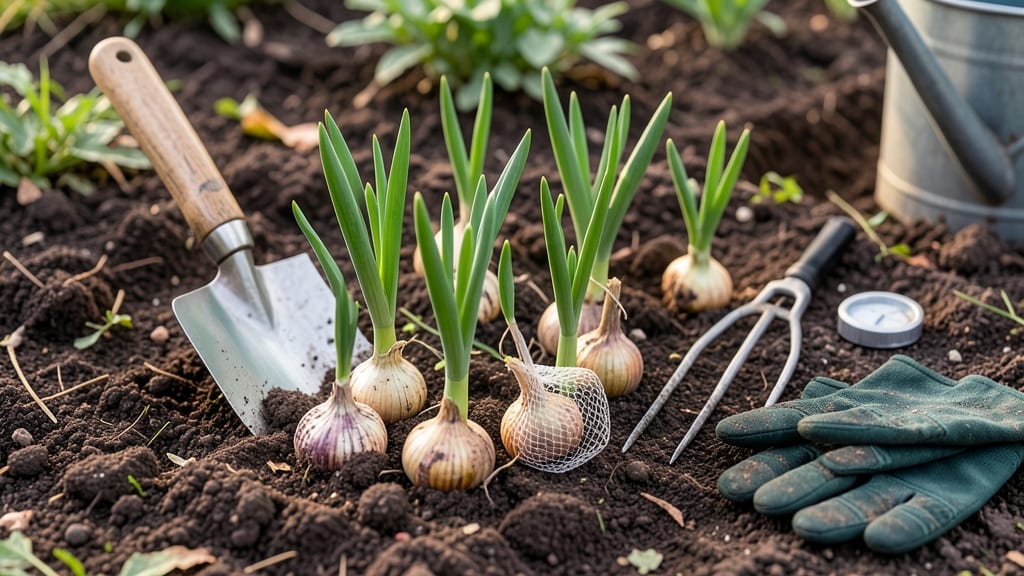
Planting tulips at the wrong time can turn your spring dreams into a sad, brown patch in the garden—so when exactly should you get those 🌷 bulbs in the ground for the best results?
If you're in USDA Zone 6a (like many gardeners in the Midwest and Northeast), the sweet spot is between September and November, about 4–6 weeks before your first hard frost.
This timing gives tulips enough time to establish roots before winter dormancy kicks in, setting the stage for those vibrant blooms next spring.
But here’s the catch: soil temperature matters just as much as the calendar. Tulips need cool soil—ideally between 50–60°F—to trigger root growth without encouraging rot. Too warm, and your bulbs might wake up too early; too cold, and they’ll struggle to settle in.
I’ll show you how to check your soil and adjust your planting schedule for zero-frost success, no matter your local climate.
Whether you're a first-time gardener or a seasoned pro, these insights will help you avoid common mistakes—like planting too late or ignoring soil prep—and ensure your tulips burst into color every spring. Let’s get those bulbs in the ground the right way!
USDA Zone-by-Zone tulip planting schedule for spring blooms
Timing your tulip bulbs correctly ensures they survive winter and burst into vibrant spring blooms. The key is planting when soil temperatures drop but before the ground freezes—typically in fall. However, the exact window varies dramatically by USDA zone, with colder climates needing earlier planting than warmer ones.
Miss the mark, and you risk bulb rot or weak growth. Let’s break down the perfect planting schedule for zones 3 through 10, plus how to adjust for local quirks like microclimates or heavy clay soil.
Tulips require a chilling period of 12–16 weeks below 50°F (10°C) to bloom properly. In colder zones, this happens naturally over winter, while warmer zones need creative solutions like pre-chilling bulbs or choosing tropical varieties. The goal?
Plant when soil temps hit 60°F (15°C) or lower—this signals bulbs to start rooting before dormancy sets in. Below, we’ll map out the ideal planting windows by zone, plus critical soil temperature thresholds to watch.
| USDA Zone | Ideal Planting Window | Soil Temperature | Key Notes |
|---|---|---|---|
| 3–4 (Cold Winters) | 6–8 weeks before first hard frost (mid-Sept–early Oct) | 45–55°F (7–13°C) | Plant early to prevent winter heaving; mulch heavily after planting. |
| 5–6 (Moderate Winters) | 4–6 weeks before first hard frost (late Sept–mid-Oct) | 50–60°F (10–16°C) | Avoid planting if ground is frozen; wait for soil to cool to 60°F. |
| 7–8 (Mild Winters) | 6 weeks before first frost (Oct–early Nov) | 55–65°F (13–18°C) | Can plant later, but bulbs need 12–16 weeks of chill. |
| 9–10 (Minimal Frost) | November–December (or even January in Zone 10) | 60–70°F (15–21°C) | Use refrigeration trick or choose pre-chilled bulbs. |
If you’re in Zone 7b or 8a, where frost dates can be unpredictable, aim for the earlier end of the window. For example, in Zone 7, planting in late September gives bulbs more time to root before winter.
Use a soil thermometer to check temperatures at a 6-inch depth—this is the critical zone where bulbs will root. Once temps drop to 50–60°F consistently, it’s go time. Pro tip: In containers, mix potting soil with sand (50/50 ratio) to prevent waterlogging, which can cause bulb rot.
For gardeners in Zone 9–10, where winters are mild or nonexistent, standard tulip bulbs won’t get enough chill time. Instead, opt for pre-chilled bulbs (labeled “tropical” or “winter-hardy”) or mimic winter conditions by storing bulbs in the refrigerator for 8–12 weeks before planting.
Place them in a paper bag with peat moss to maintain humidity, then plant as soon as soil temps drop below 65°F. This trick works surprisingly well for forcing blooms in warm climates like Southern California or Florida.
Microclimates can shift your planting window by 2–4 weeks. For instance, a north-facing slope stays cooler longer than a south-facing bed, while urban heat islands (like rooftop gardens) may require planting earlier to avoid summer heat stress.
To account for this, observe your garden’s behavior: If nearby plants flower 2 weeks earlier than neighbors, adjust your tulip schedule accordingly. For example, in Zone 6, plant on a south-facing slope in early October instead of mid-October to delay frost exposure.
Heavy clay soil or wet winters demand extra prep. In areas prone to waterlogging (like the Pacific Northwest), plant tulips on mounds or in raised beds with gravel drainage. For clay-heavy soil, amend with compost and coarse sand (1 part sand to 3 parts soil) to improve aeration.
Plant bulbs deeper (8–10 inches) in clay to anchor them and prevent winter heaving. In sandy soil, add a layer of compost to retain moisture, as sand drains too quickly for bulbs to establish roots.
One common mistake is planting tulips when the soil is still too warm (above 65°F). Warm soil triggers early root growth, which can lead to rot before winter dormancy sets in. Always check soil temps with a thermometer—this simple tool is a game-changer for precision planting.
Another pitfall? Skipping mulch in cold zones. Apply a 3-inch layer of straw or shredded leaves after planting to insulate bulbs and protect them from freeze-thaw cycles, which can push them out of the soil—a condition called heaving. In Zone 3–4, mulch is non-negotiable for winter survival.
To extend your planting window in <
How to adjust tulip planting for your local climate and soil
Your local climate and soil type can dramatically shift the ideal tulip planting window—sometimes by weeks or even months. For example, gardeners in Zone 9 with warm winters can plant in November or December, while those in Zone 4 must get bulbs in by mid-September to avoid winter heaving.
The key is matching your soil temperature, moisture levels, and microclimate to tulips' natural dormancy needs.
Heavy clay soil, wet winters, or urban heat islands all demand specific adjustments. Skipping these tweaks can lead to rot, poor blooms, or bulbs that refuse to sprout.
I’ll walk you through the 5 critical adjustments to make for your unique growing conditions—plus tools to extend your planting window if you miss the traditional fall schedule.
5 Climate-Specific Tweaks for Perfect Tulip Planting
- 🌧️ Wet Winters (PNW, UK Gardens): Plant in raised beds with gravel drainage or on mounds. Avoid low spots where water pools—tulips hate soggy soil!
- 🏗️ Heavy Clay Soil: Mix in compost + coarse sand (1:3 ratio) and plant bulbs 8–10 inches deep for stability. Test drainage first!
- 🏙️ Urban Heat Islands: Plant tulips in partial shade (under trees) or use black plastic mulch in fall to cool soil faster. Heat stress delays blooming.
- ❄️ Late Frost Zones (6–7): Choose early-blooming varieties (e.g., ‘Darwin Hybrid’) and plant on south-facing slopes to delay frost exposure.
- 🌴 Zone 9–10 Hack: Pre-chill bulbs for 8–12 weeks in a fridge (paper bag + peat moss) or buy pre-chilled ‘tropical’ bulbs for spring planting.
"Adjusting for your microclimate isn’t just optional—it’s the difference between tulips that thrive and ones that disappear!"
Don’t overlook soil temperature—it’s the silent dealbreaker for tulip success. Use a soil thermometer to check depths of 6 inches. Ideal temps hover between 50–60°F; planting in warmer soil (above 65°F) can trigger premature sprouting and rot.
Pro tip: In Zone 7b, I’ve seen gardeners plant as early as late August in shaded beds to beat summer heat.
For gardeners in Zone 10, where winters rarely chill enough, the refrigeration trick is a lifesaver. Store bulbs in a paper bag with peat moss for 8–12 weeks in your fridge’s crisper drawer before planting.
This mimics the 12–16 weeks of chill time tulips need to bloom. Just label the bag with the planting date to avoid confusion!
Even the best-laid plans can go awry—like that year I waited until November in Zone 6 because of rain delays. My tulips still bloomed, but the flowers were half the size and arrived 3 weeks later than expected.
Lesson learned: When in doubt, plant earlier and mulch heavily with straw or shredded leaves to insulate bulbs.
Use these adjustments to turn your local challenges into opportunities. Whether you’re battling clay soil, urban heat, or unpredictable frost, tulips can still shine in your garden—you just need to speak their language. Grab your thermometer, check your soil, and give those bulbs the perfect start!