
Planting
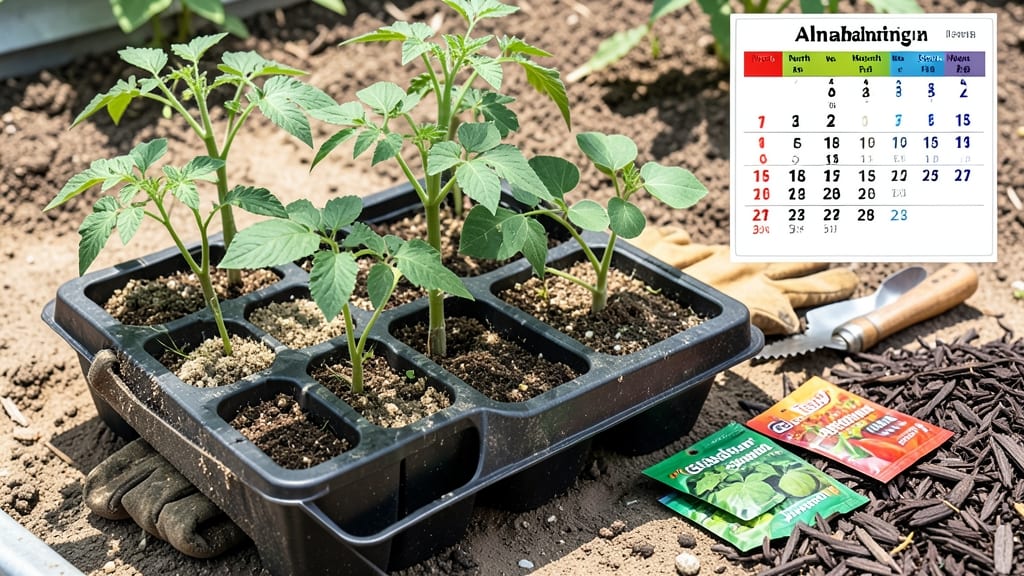
Planting a garden in Alabama isn’t just about grabbing seeds and digging in—it’s about timing everything perfectly to beat the heat, avoid frost, and maximize your harvest.
Whether you're in North Alabama’s cooler 7a zone or the warmer 8b regions near the Gulf Coast, getting the window right means the difference between a bumper crop and a sad, wilted disappointment.
I’ve seen firsthand how a few weeks can turn a thriving 🌱 General Alabama Garden into a struggling mess—especially when warm-season crops like tomatoes or peppers go in too early and get fried by a sudden heatwave.
But don’t worry: with the right frost-free dates and planting strategies, you can outsmart Alabama’s unpredictable weather and enjoy fresh veggies all season long.
In this guide, I’ll break down the exact planting windows for spring and fall, including when to start seeds indoors, when to transplant, and how to adjust for your specific heat zone.
You’ll also learn which crops thrive in Alabama’s long, hot summers and which cool-season plants need to be in the ground 4-6 weeks before the last frost.
Ready to turn your backyard into a productive oasis? Let’s dive into the best months to plant—and how to keep your garden flourishing from March through November, no matter where you are in the state.
Alabama’s frost-free dates by heat zone: when to plant cool-season vs warm-season crops
Alabama’s diverse climate—from the cool mountain regions of North Alabama to the humid Gulf Coast—creates distinct planting windows for gardeners. The state spans USDA Heat Zones 6A to 8B, meaning frost-free dates can vary by up to 6 weeks depending on where you live.
Understanding your zone helps you avoid frost damage to tender crops while maximizing your growing season.
For example, gardeners in Zone 6A (North Alabama) face later last-frost dates (mid-March) compared to Zone 8B (Gulf Coast), where the frost-free season starts as early as mid-February.
This difference directly impacts when you can safely plant cool-season crops like lettuce and warm-season crops like tomatoes. Let’s break it down by zone so you can plan with confidence.
📌 Key Takeaway: Cool-season crops thrive in spring (Feb-April) and fall (Aug-Oct), while warm-season crops need soil temperatures above 60°F and should be planted after the last frost. In Alabama, this typically means late April to early June for most regions.
| Heat Zone | Last Frost Date | First Frost Date | Cool-Season Planting Window | Warm-Season Planting Window |
|---|---|---|---|---|
| 6A (North AL: Huntsville, Decatur) | Mid-March | Mid-November | Feb 15 - April 15 | May 1 - June 15 |
| 6B (North AL: Birmingham, Gadsden) | Late March | Late October | Feb 20 - April 1 | April 20 - June 1 |
| 7A (Central AL: Montgomery, Auburn) | Early March | Early November | Feb 1 - April 10 | April 15 - May 31 |
| 7B (Central AL: Tuscaloosa, Selma) | Mid-February | Mid-December | Jan 15 - March 31 | March 15 - June 1 |
| 8A (South AL: Dothan, Mobile) | Late January | Late November | Jan 1 - March 15 | March 1 - May 15 |
| 8B (Gulf Coast: Pensacola, Baldwin County) | Mid-January | Early January | Dec 15 - Feb 28 | Feb 15 - April 30 |
In Zone 6A (North Alabama), where frosts linger later, I recommend starting cool-season crops like broccoli indoors in February and transplanting them outdoors by mid-March. For warm-season crops, wait until after May 1 to avoid unexpected frosts.
Meanwhile, gardeners in Zone 8B (Gulf Coast) can plant tomatoes and peppers as early as mid-February because the threat of frost is minimal.
For fall planting, the rule of thumb is to sow cool-season crops 100-120 days before your first frost. In Zone 7A (Central Alabama), this means starting lettuce and spinach by early August for a fall harvest. In Zone 8B, you can extend this window until mid-September
Best vegetables to plant in Alabama by season: a heat-zone guide
Alabama’s diverse heat zones (6A-8B) create a gardener’s playground, but choosing the right vegetables for each season ensures a bountiful harvest. Spring and fall offer cooler temperatures perfect for leafy greens and root crops, while summer demands heat-tolerant varieties like okra and sweet potatoes.
Let’s break down the best crops for each season, tailored to Alabama’s unique climate.
For North Alabama (zones 6A-7A), where frost lingers longer, focus on fast-maturing varieties and frost-resistant plants. In contrast, South Alabama (zones 7B-8B) enjoys longer growing seasons, allowing for double-cropping and extended harvests.
Whether you’re a beginner or a seasoned gardener, these seasonal guides will help you plan like a pro.
🌱 Spring Planting (February - April)
- 🥬 Leafy Greens: Lettuce, spinach, kale (30-50 days to harvest)
- 🥔 Root Crops: Carrots, radishes, beets (45-60 days)
- 🌿 Cool-Season Herbs: Cilantro, parsley, dill (30-60 days)
- 🍅 Early Tomatoes: Cherry tomatoes (55-65 days; plant after last frost)
☀️ Summer Planting (May - July)
- 🌶 Heat-Tolerant Veggies: Okra, sweet potatoes, peppers (60-90 days)
- 🍆 Southern Staples: Eggplant, tomatoes, cucumbers (50-80 days)
- 💧 Drought-Resistant Picks: Malabar spinach, cowpeas (45-70 days)
- 🌻 Fast Growers: Bush beans, zucchini (40-55 days)
🍂 Fall Planting (August - October)
- 🥕 Cool-Season Revivals: Broccoli, cabbage, Brussels sprouts (60-90 days)
- 🍠 Late Harvests: Sweet potatoes, winter squash (90-120 days)
- 🌿 Hardy Herbs: Sage, thyme, rosemary (perennial; plant before first frost)
- 🥬 Frost-Tolerant Greens: Collards, mustard greens (30-50 days)
In spring, prioritize cool-season crops like lettuce and peas, which thrive in Alabama’s mild temperatures.
For summer, switch to heat-loving varieties such as okra and sweet potatoes, which can handle Alabama’s intense heat. Fall is ideal for slow-to-mature crops like broccoli and cabbage, giving them time to establish before winter sets in.
Pro tip: Use row covers in early spring or late fall to extend growing seasons and protect tender plants from unexpected frost. In South Alabama, you can even plant winter greens like spinach as early as October, while North Alabama gardeners should wait until November to avoid frost damage.
Don’t forget to rotate crops yearly to prevent soil depletion and pests. For example, plant tomatoes where beans grew last year, as they belong to different plant families. This simple trick keeps your garden healthy and productive for years to come.
With these seasonal guides, you’ll maximize your harvest while working with Alabama’s climate—not against it. Happy planting! 🌱