
Planting
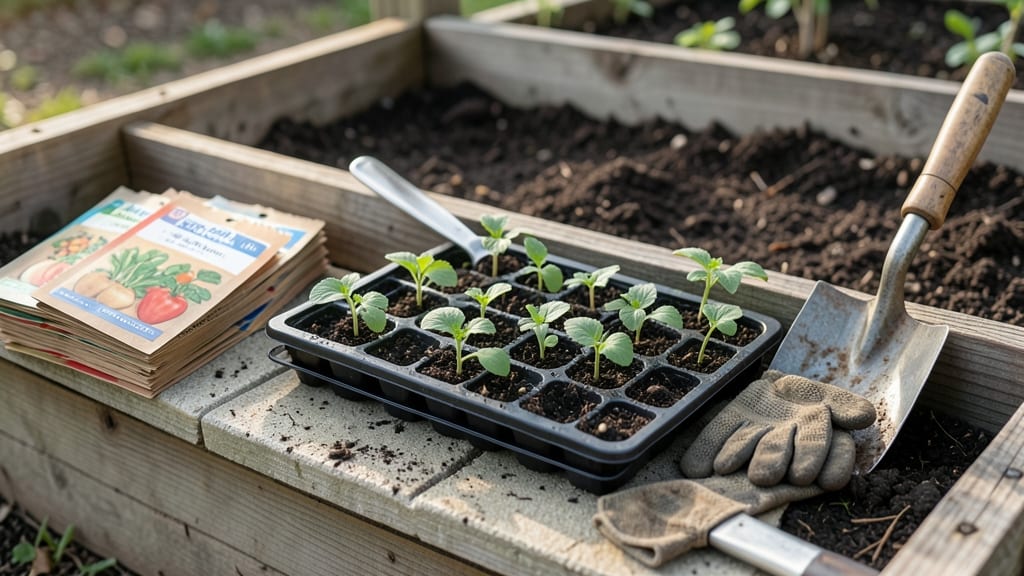
Planting your 🥬 vegetable garden in Oklahoma at the wrong time can mean the difference between a thriving harvest and wasted effort. The key isn't just about throwing seeds into the ground—it's about understanding Oklahoma's unique climate zones and frost dates to maximize your growing season.
With USDA zones 6a-8a and unpredictable weather patterns, timing matters more than ever. Whether you're in the cooler panhandle or the warmer southeast, knowing when to start seeds indoors or plant directly in the soil can save you from early frost damage or scorching summer heat.
I'll break down the fastest-growing varieties for Oklahoma's short season and share proven strategies to extend your harvest—so you can enjoy fresh veggies from spring through fall. Let's get your garden growing right.
From cool-season crops like lettuce and peas to heat-loving tomatoes and peppers, we'll cover everything you need to know to plant with confidence. Ready to turn your Oklahoma garden into a year-round success?
Oklahoma’s planting zones & first frost dates by month (2024 guide)
Understanding Oklahoma’s planting zones and first frost dates is the key to unlocking a successful vegetable garden. With USDA zones 6a-8a across the state, your location determines when to plant everything from cool-season crops to heat-loving tomatoes.
In Zone 6a (northwest), you’ll face later last frosts, while Zone 8a (southeast) enjoys longer growing seasons. Getting these timelines wrong can mean wasted seeds or frost-damaged plants, so let’s break it down by month.
Oklahoma’s last spring frost dates range from February 15 in the southern panhandle to March 15 in the northern regions.
Meanwhile, first fall frosts arrive as early as November 1 in Zone 6a but can linger until November 20 in Zone 8a. These dates create a 180-day growing window—perfect for planning cool-season crops in early spring and warm-season crops after the last frost.
Let’s dive into the specifics to help you time your plantings like a pro.
| Zone | Last Frost Date | First Frost Date | Cool-Season Planting Window | Warm-Season Planting Window |
|---|---|---|---|---|
| 6a (Northwest) | March 15 | November 1 | Feb 15 - Mar 15 | Apr 15 - May 1 |
| 7a (Central) | March 1 | November 15 | Jan 15 - Feb 15 | Mar 15 - Apr 1 |
| 8a (Southeast) | February 15 | November 20 | Dec 15 - Jan 15 | Feb 28 - Mar 15 |
🌱 Note: Adjust planting dates by 2-4 weeks for early or late varieties.
For cool-season crops like lettuce, spinach, and peas, start seeds indoors or use row covers 4-6 weeks before your last frost date. In Zone 6a, that means planting by February 15, while Zone 8a gardeners can begin as early as December 15.
These crops thrive in 50-75°F temperatures and can even tolerate light frosts, making them ideal for Oklahoma’s early spring and fall gardens.
Warm-season crops like tomatoes, peppers, and squash need to wait until after the last frost. In Zone 6a, that’s no earlier than April 15, while Zone 8a gardeners can plant by February 28.
Soil temperatures should ideally be above 60°F for these heat-lovers to germinate properly. Use black plastic mulch or cold frames to warm the soil faster if needed.
Oklahoma’s summer heat (often exceeding 90°F) can stress even heat-tolerant crops. To beat the heat, plant fast-maturing varieties like bush beans or okra in June-July for a fall harvest. Alternatively, opt for shade-tolerant crops like basil or cucumbers and provide afternoon shade with row covers or cloches.
Fall planting is all about timing your cool-season crops to mature before the first frost. In Zone 6a, aim to plant by August 1 for a harvest before November 1, while Zone 8a gardeners have until September 15.
Succession plant radishes or turnips every 2 weeks for continuous harvests. Use row covers to extend the season by 2-4 weeks and protect tender greens from early frosts.
Don’t overlook microclimates in Oklahoma. Urban areas like Oklahoma City often run 2-4°F warmer than rural zones, delaying frosts by 1-2 weeks. If you’re in a low-lying area, expect earlier frosts due to cold air pooling.
Use a frost calendar from your local Cooperative Extension Service for hyper-localized advice, or track your own data with a minimum thermometer.
Pro tip: Mark your planting calendar with these key dates—last frost, <
Fastest-growing vegetables for Oklahoma’s short season (harvest in 30-60 days)
Oklahoma’s short growing season demands smart choices—especially when you’re craving homegrown veggies fast. The key is selecting quick-maturing varieties that thrive in our USDA Zones 6a-8a, where summer heat and early frosts can cut your harvest short.
With the right plants, you can enjoy fresh radishes in 30 days or bush beans in 50 days, even in our unpredictable climate.
Succession planting is your secret weapon. By staggering plantings every 2-3 weeks, you’ll ensure a steady supply of leafy greens, peas, and zucchini all season long. This method works especially well for Oklahoma’s spring and fall planting windows, where cooler temps slow down pests and diseases.
- 🌱 Radishes – Ready in 25-30 days, perfect for cool springs and fall.
- 🥕 Bush Beans – Harvest in 50-60 days, thrive in summer heat with consistent water.
- 🥬 Leaf Lettuce – Cut-and-come-again in 30-40 days, loves partial shade in summer.
- 🍅 Cherry Tomatoes – 55-60 days to fruit, choose heat-tolerant varieties like 'Solar Fire'.
- 🥒 Cucumbers – Ready in 50-55 days, trellis to save space and prevent disease.
- 🌿 Spinach – Harvest in 30-40 days, best planted early spring or fall.
- 🥔 Baby Potatoes – New potatoes in 60 days, grow in containers or hills for ease.
- 🌶 Peppers (Small Varieties) – 60 days to harvest, start indoors for early summer planting.
- 🥦 Bok Choy – Ready in 30-40 days, thrives in cool weather and containers.
- 🍆 Zucchini – Harvest in 45-50 days, plant 3-4 plants for a steady supply.
For Oklahoma’s spring planting, start seeds indoors in February for cool-season crops like lettuce and spinach, then transplant outdoors 2-3 weeks before your last frost date. In summer, focus on heat-loving varieties like bush beans and cucumbers, but provide afternoon shade if temps exceed 90°F.
Don’t forget to harvest regularly—this encourages more production! For example, radishes left too long in the ground become woody, while zucchini grows faster when picked young. Succession planting every 10-14 days ensures you’re always harvesting fresh produce, even as Oklahoma’s seasons shift.
Pro tip: Use row covers to extend your fall harvest by 2-3 weeks. Lightweight fabric protects tender greens from early frosts while still allowing sunlight and water through. Pair this with dwarf varieties to maximize space in small gardens or containers.
With these fast-growing vegetables and smart planting strategies, you’ll turn Oklahoma’s short season into a year-round harvest—no wasted seeds or missed opportunities! 🌱