
Plants
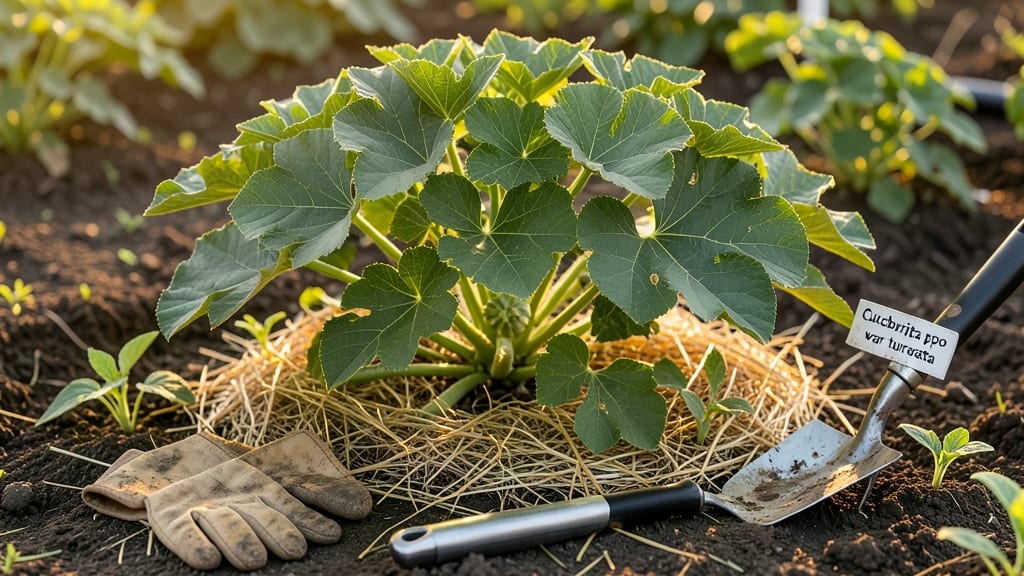
Planting acorn squash 🎃 at the wrong time in Florida means battling wilting vines, pest attacks, or wasted seeds—so timing isn’t just about the calendar, it’s about outsmarting the heat and humidity.
The key to a bountiful harvest lies in those narrow windows between March 15–April 30 for spring plantings or August 1–September 15 for fall, when soil temps hit the sweet spot of 60°F+ without scorching young plants.
Most gardeners in Florida’s 9a–10a zones skip summer planting entirely, but that’s where the real secret lies—fall crops often produce sweeter squash with fewer pests. The trick?
Start seeds indoors 4–6 weeks before your target date to beat the rush, or use shade cloth if you’re direct-sowing in late summer’s lingering heat.
Why does this matter? Because acorn squash planted too early faces powdery mildew from spring rains, while late plantings risk vine borers as temps climb. I’ll show you exactly how to sync your schedule with Florida’s quirks—from soil prep to companion plants—to turn your garden into a pest-proof paradise.
Ready to grow healthier, bigger acorn squash with zero stress? Let’s dive into the exact planting timeline that works for your Florida heat zone, plus pro tips to extend your harvest window when pests strike.
Best planting windows for acorn squash in Florida’s heat zones
Florida’s heat zones 8A-10A create unique challenges for growing acorn squash. Unlike northern states, Florida’s long growing season and humid summers demand precise timing to avoid heat stress and pest outbreaks.
Planting too early risks frost damage in North Florida, while late plantings may struggle with intense summer heat and vine borers. The key? Strategic scheduling based on your specific zone.
Most Florida gardeners achieve success with two planting windows: spring (March–April) and fall (August–September). Spring plantings yield fall harvests, while fall plantings produce winter squash just before cooler months.
However, soil temperature and pest activity vary dramatically between Florida’s North (8A-9A) and South (9B-10A) regions. Let’s break down the best times to plant by zone.
| Heat Zone | Spring Planting Window | Fall Planting Window | Key Considerations |
|---|---|---|---|
| 8A (North Florida) | March 15 – April 15 | August 1 – September 1 | Avoid frost risk; use row covers for early plantings. |
| 9A (Central Florida) | March 1 – April 30 | July 15 – September 15 | Monitor for squash vine borers; plant after soil warms to 60°F. |
| 9B (South-Central Florida) | February 15 – April 15 | July 1 – September 30 | Extend season with shade cloth in peak summer. |
| 10A (South Florida) | January 15 – March 31 | June 1 – October 1 | Year-round planting possible; prioritize disease-resistant varieties. |
For North Florida (Zone 8A), frost remains a threat until mid-February, so I recommend waiting until March 15 to plant. Use black plastic mulch or row covers to warm the soil faster and protect young seedlings.
In Central Florida (Zone 9A), you can start slightly earlier, but avoid planting before March 1—soil temperatures below 60°F delay germination.
South Florida gardeners in Zone 10A enjoy the flexibility to plant as early as January, but summer plantings after July 15 risk powdery mildew due to high humidity.
If you’re in Zone 9B or 10A, consider succession planting every 2–3 weeks during the fall window to stagger harvests. This technique ensures a continuous supply of acorn squash while minimizing pest pressure.
For example, plant the first batch on July 15, then add another on August 1 and August 15. The first harvest will be ready by October, while the last batch matures in November or December, just before cooler weather sets in.
One common mistake is planting acorn squash in peak summer (June–July), especially in North and Central Florida. Temperatures above 90°F stress seedlings, leading to poor germination and stunted growth. Instead, opt for late summer plantings (August–September) to take advantage of cooler fall temperatures.
If you must plant in summer, use shade cloth (30–50%) to protect seedlings until they establish roots.
For gardeners in Zone 8A, extending the growing season with row covers or low tunnels can add 2–4 weeks of frost protection. Remove covers during the day to prevent overheating and reapply at night if temperatures drop below 50°F.
This simple trick lets you plant as early as February 15 in Zone 9A without risking frost damage. Just be sure to monitor for condensation buildup, which can promote fungal diseases like powdery mildew.
Another pro tip: Direct-sow seeds instead of transplanting seedlings. Acorn squash has delicate roots that transplant poorly, and Florida’s heat can shock young plants. Plant seeds 1 inch deep and 2–3 inches apart in hills spaced 3–4 feet apart.
Thin seedlings to 2–3 plants per hill once they develop their first true leaves. This spacing gives vines room to sprawl and reduces competition for nutrients, leading to larger, healthier squash.
Finally, pay attention to soil temperature—not just air temperature. Use a soil thermometer to confirm the soil has reached at least 60°
How to time your planting for pest-free acorn squash harvests
Timing your acorn squash planting in Florida isn’t just about avoiding frost—it’s about dodging the squash vine borer and powdery mildew that thrive in Florida’s heat. These pests peak during June and July, so strategic planting can mean the difference between a thriving harvest and a ruined crop.
The key? Plant when soil temperatures are just right and use companion planting to confuse pests.
For spring plantings, aim for March 15–April 30 when soil warms to 60–65°F. This timing lets your squash establish roots before pests become active. In fall, plant August 1–September 15 to harvest before winter chills set in.
Avoid direct seeding in May or June—this is when vine borers are most aggressive.
June–July is the worst time to plant acorn squash in Florida. Squash vine borers lay eggs during this window, and seedlings planted then will be devoured within weeks. If you must plant late, use row covers or opt for transplants from nurseries raised in pest-free conditions.
Use companion planting to naturally deter pests. Pair your acorn squash with nasturtiums (which repel squash bugs) or marigolds (which confuse vine borers). Plant basil nearby—its scent masks the squash’s aroma, making it harder for pests to locate your crop. Space companions 1–2 feet away to avoid competing for nutrients.
Soil temperature is your best early warning system. Use a soil thermometer to confirm 60°F+ before planting. Cold soil slows germination and weakens seedlings, making them easier targets for pests.
If your soil is too cool, wait—rushing the process invites fungal diseases like powdery mildew, which flourishes in Florida’s humid air.
For fall plantings, prioritize heat-tolerant varieties like ‘Table Queen’ or ‘Sweet Dumpling.’ These mature faster, giving you a harvest before winter pests take over. Mulch with straw or grass clippings to keep soil moist and deter borers.
Water deeply in the morning to reduce mildew risk—wet leaves at night create the perfect breeding ground for fungi.
If you miss the ideal windows, don’t despair. Container gardening lets you move squash to shaded spots during peak heat. Just ensure pots have drainage holes and use lightweight potting mix to prevent root rot.
With the right timing and a few smart tricks, you can enjoy pest-free acorn squash even in Florida’s challenging climate. 🎃