
Plants
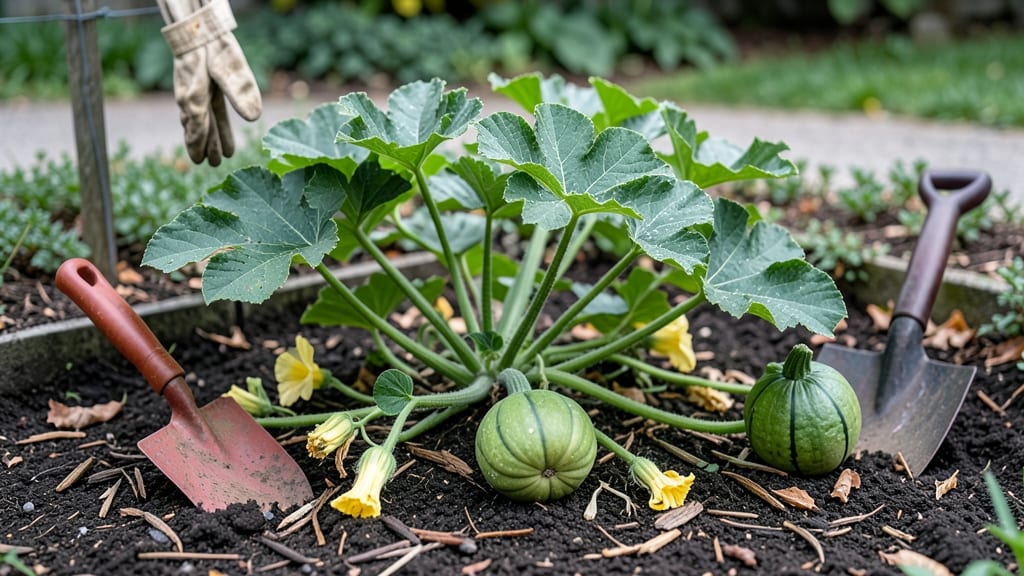
Planting acorn squash 🎃 in Texas isn't just about digging seeds into the ground—it's about outsmarting the heat, avoiding early frost, and timing your harvest for peak flavor.
If you've ever watched your squash wilt under scorching summer sun or rot from unexpected chilly nights, you know the stakes are high.
The key to success lies in understanding your Texas heat zone, whether you're in North, Central, or South Texas. Soil temperatures need to hit 60°F before seeds go in, and waiting too long means missing the 90-day growing window before frost arrives.
I'll show you exactly when to plant based on your location, so you can enjoy homegrown squash from October through December.
This isn't just theory—it's battle-tested advice for Texas gardeners who've learned the hard way what happens when timing is off. From soil prep to spacing strategies, I'll walk you through every step to ensure your acorn squash thrives, not just survives, in our unique climate.
Ready to grow squash that's sweeter, bigger, and more abundant than ever? Let's dive into the exact planting schedule that works for your corner of Texas, so you can skip the guesswork and start harvesting like a pro.
Texas heat zones explained: best planting months for acorn squash
Texas spans USDA hardiness zones 8a through 10b, creating dramatic differences in frost dates and growing seasons. For acorn squash (Cucurbita pepo), these zones dictate whether you plant in late February or wait until early May.
The key? Understanding your last frost date and soil temperature requirements to avoid heat stress or frost damage.
Acorn squash thrives in warm soil (60°F+) and needs 90-110 frost-free days to mature. In North Texas (8a-9a), plant 4-6 weeks before last frost (typically late February-early April).
Meanwhile, South Texas (10a) gardeners can start as late as early May—but timing is critical to avoid summer's brutal heat.
Soil temperature is your best indicator. Use a soil thermometer to confirm 60°F+ before planting. In Central Texas (9a-9b), aim for early March, while East Texas (8a) may need to wait until mid-April to avoid early-season cold snaps.
Early varieties (like 'Table Queen') mature in 75-90 days, while late varieties ('Autumn Gold') take 100+ days. Choose based on your zone: North Texas favors early types, while South Texas can handle longer seasons.
| USDA Zone | Last Frost Date | Best Planting Window | Soil Temp Requirement | First Frost Risk |
|---|---|---|---|---|
| 8a (North Texas) | Feb 15 - Mar 15 | Late Feb - Early Apr | 60°F+ | Nov 15 - Dec 15 |
| 9a (Central Texas) | Feb 28 - Mar 15 | Early Mar - Mid-Apr | 60°F+ | Nov 1 - Dec 1 |
| 10a (South Texas) | Mar 1 - Mar 15 | Late Mar - Early May | 60°F+ | Dec 1 - Jan 15 |
🌱 Note: Adjust for microclimates—urban areas may frost earlier than rural zones.
For urban gardeners, microclimates matter. A concrete-heavy area in Dallas (9a) might frost 2 weeks earlier than a rural spot. Use shade cloth in summer to protect plants from 100°F+ heat, which can cause blossom drop.
If you miss the spring window, succession planting in late summer (August) can yield a fall harvest. Choose heat-tolerant varieties like 'Sweet Dumpling' and provide drip irrigation to keep roots cool during Texas’s brutal summers.
Always harden off seedlings for 7-10 days before transplanting. Acclimate them to direct sun and wind to prevent shock. In South Texas, where summers are longest, plant in late spring to avoid heat stress during germination.
Monitor weather forecasts for unexpected cold snaps, even in Zone 10a. A single night below 32°F can ruin young plants. Use row covers or black plastic mulch to maintain soil warmth and protect tender seedlings.
Pro tip: Direct-sow seeds instead of starting indoors—acorn squash hates transplant shock. Drop seeds 1 inch deep, 3 feet apart, in well-draining soil with compost added for nutrients.
By aligning your planting with your Texas heat zone, you’ll enjoy bountiful acorn squash from October through December, just in time for holiday feasts. Timing truly is everything in the Lone Star State! 🎃
How to time your acorn squash planting for maximum yield in Texas heat
Texas summers can turn your garden into a sauna, but with the right timing and tricks, you can still grow bountiful acorn squash that thrives in the heat.
The key is planting at the perfect moment—when soil is warm enough to prevent seed rot but not so late that vines struggle under 100°F+ temperatures. I’ve learned that succession planting and strategic shade can make all the difference.
Acorn squash needs about 90 days to mature, so timing your planting ensures you harvest before the first frost. In North Texas, aim for late March to early April, while Central and South Texas gardeners can push it to late April or even early May.
The goal? Beat the heat while avoiding early frost risks. Let’s break down the exact steps to maximize your yield.
✨ 5 Critical Steps to Time Your Planting ✨
- Wait until soil reaches 60°F+—use a soil thermometer to check depth. Cold soil delays germination.
- Plant seeds 1 inch deep, spacing hills 3-4 feet apart to allow airflow and reduce fungal diseases.
- Use shade cloth (30-50%) during peak heat (11 AM–3 PM) to protect young plants from heat stress.
- Mulch with straw or grass clippings to retain moisture and keep roots 10°F cooler during heatwaves.
- Plant in succession every 2 weeks (after initial planting) to stagger harvests and avoid overwhelming heat on all plants at once.
Don’t overlook companion planting—it’s a game-changer in Texas heat. Pair your acorn squash with bush beans or radishes to improve soil nitrogen and deter pests.
I’ve also had success with marigolds, which repel squash bugs naturally. These pairings help your squash focus energy on growth instead of fighting off invaders.
For soil prep, focus on drainage and organic matter. Amend your garden bed with compost or aged manure to improve water retention and nutrient availability. Acorn squash is heavy feeders, so enriching the soil beforehand prevents nutrient deficiencies that show up as yellowing leaves or stunted growth.
Test your soil’s pH—aim for 6.0–6.8—and adjust with lime or sulfur if needed.
Once your seeds sprout, monitor for signs of heat stress, like wilting or curled leaves. If temperatures exceed 90°F for days, provide extra shade and water deeply in the early morning to prevent shock.
I’ve found that drip irrigation keeps roots consistently moist without wetting foliage, which reduces fungal risks like powdery mildew—a common issue in Texas humidity.
With these strategies, you’ll extend your growing season and enjoy homegrown acorn squash long after neighbors’ gardens have given up. The secret? Timing, patience, and a little shade. Now go plant—your future harvest is waiting! 🎃