
Plants
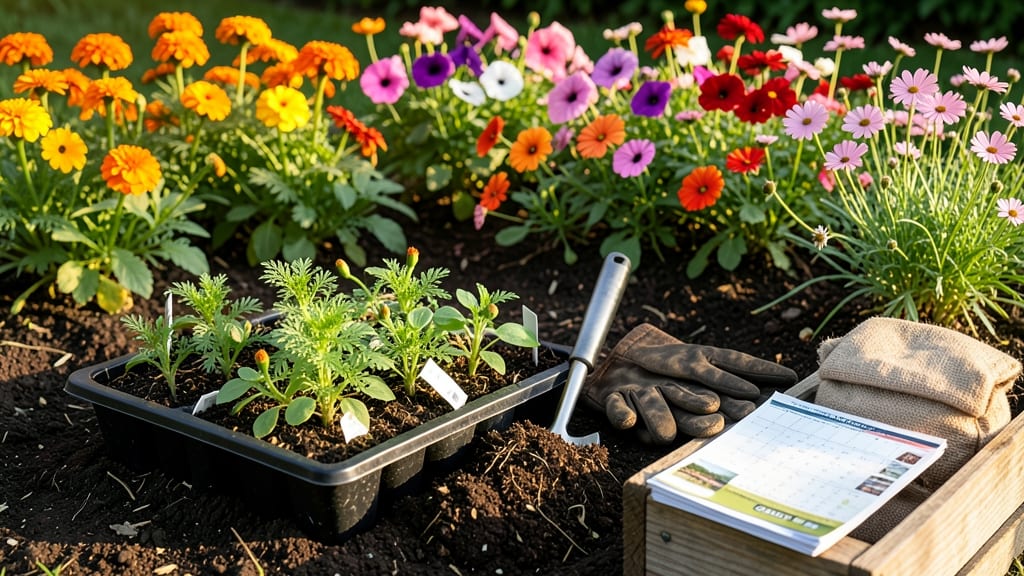
Planting annuals in Chicago isn't just about throwing seeds in the dirt—it's about outsmarting unpredictable spring frosts that can turn your dream garden into a sad, brown patch. The difference between a show-stopping 🌸 display and a delayed blooming season often comes down to knowing exactly when to plant.
With USDA Zone 6a weather that swings from icy winds to sudden heat waves, timing is everything. Miss the window, and you might be waiting until next summer for those vibrant marigolds or cheerful zinnias.
But get it right, and you'll enjoy blooms from June through October—even in the heart of the city.
I've spent years tracking Chicago's last frost dates and testing planting strategies, and what I'm about to share will help you avoid common mistakes. Whether you're a first-time gardener or a seasoned pro, these insights will give you the confidence to plant at the perfect moment—no more guessing games.
Let's dive into the exact planting windows, microclimate adjustments, and the best annuals to make your Chicago garden thrive all season long. Your future blooms will thank you!
Chicago’s last frost dates by Zone 5-6: exact planting windows for annuals
Chicago’s USDA Zones 5a, 5b, and 6a create a unique challenge for gardeners—unpredictable frost dates that can turn your dream garden into a frozen disaster.
The average last frost date ranges from April 15 (Zone 5a) to May 1 (Zone 6a), but late frosts can linger until Memorial Day. Knowing these windows helps you plant cool-season annuals like pansies early and warm-season favorites like marigolds safely after the danger passes.
For Zone 5a (northern suburbs like Waukegan), the last frost date is typically April 22, while Zone 5b (Chicago proper) averages April 29. Zone 6a (southern suburbs like Aurora) sees the earliest thaw, around May 6.
These dates shift yearly, so always check local weather forecasts or use tools like the National Weather Service’s frost prediction maps.
Here’s the golden rule: Wait until soil temperatures hit 60°F for warm-season annuals (tomatoes, petunias) and plant cool-season varieties (lettuce, snapdragons) 4-6 weeks before the last frost. Chicago’s short growing season means timing is critical—miss the window, and you’ll face stunted growth or frost damage.
🌱 PRO TIP: Use frost cloth or row covers to extend your planting window by 2-3 weeks for heat-loving plants. This is especially useful in Zone 5a, where late frosts are more common.
| Zone & Location | Last Frost Date | Safe Planting Window | Cool-Season Annuals | Warm-Season Annuals |
|---|---|---|---|---|
| Zone 5a (Waukegan, Lake Forest) | April 22 (±5 days) | May 1 – May 15 | Pansies, Lettuce, Snapdragons (Mar 15–Apr 15) | Marigolds, Petunias, Basil (May 15–Jun 1) |
| Zone 5b (Chicago, Evanston) | April 29 (±5 days) | May 10 – May 25 | Violas, Kale, Arugula (Mar 20–Apr 20) | Zinnias, Sunflowers, Tomatoes (May 15–Jun 10) |
| Zone 6a (Aurora, Joliet) | May 6 (±5 days) | May 20 – June 5 | Sweet Alyssum, Spinach (Mar 25–Apr 25) | Cosmos, Nasturtiums, Peppers (May 20–Jun 15) |
| All Zones (Fall Planting) | October 15 (±5 days) | August 15 – September 15 | Pansies, Calendula, Stock (Aug 1–Sep 15) | None (warm-season plants won’t survive) |
🌿 Always verify with local weather!
Chicago’s first frost typically arrives around October 15, but Zone 5a can see frost as early as October 1. This means fall annuals like pansies and calendula must be planted by August 15 to bloom before winter.
For warm-season annuals, start seeds indoors in March to give them a head start, then transplant after the last frost.
Urban gardeners in Chicago’s downtown often experience warmer microclimates due to concrete heat absorption, allowing for slightly earlier planting. Conversely, northern suburbs near Lake Michigan may see cooler temperatures and delayed frost dates. Always observe your specific neighborhood’s patterns—a quick check with neighboring gardeners can save your plants!
If you’re new to Chicago gardening, here’s my top tip: Use biodegradable plant pots for seedlings. This lets you transplant directly into the garden without disturbing roots, giving your annuals a stronger start in the short growing season.
Pair this with mulch to retain soil warmth and moisture—critical for Zone 5a’s cooler springs.
For heat-loving annuals like tomatoes or peppers, consider black plastic mulch to raise soil temperatures by 5-10°F. This trick can push your planting window forward by 1-2 weeks, especially in Zone
How to adjust planting dates for Chicago’s microclimates and unpredictable weather
Chicago’s urban heat islands and suburban microclimates can create 1-2 week differences in frost dates just blocks apart. What works for Lincoln Park might fail in Bridgeport, leaving your tender annuals vulnerable to late-season freezes. The key? Flexible planting strategies that account for these variations.
Start by using the National Weather Service’s frost-free date calculator (available on their website) to pinpoint your exact last frost date. For most of Chicago, this falls between April 15-30, but urban areas often warm up 5-7 days earlier than rural zones.
Bookmark this tool—it’s your first line of defense against Memorial Day frosts that can wipe out your marigolds or basil overnight.
⚠️ Chicago’s Late-Spring Cold Snaps: Don’t Skip This Step!
Memorial Day (May 25-31) is the most dangerous time for tender annuals in Chicago. Even after the average last frost, 30% of years see temperatures drop below 32°F during this window. Protect your petunias, geraniums, and tomatoes by:
- ✅ Using floating row covers (like Reemay fabric) for 2-3 weeks after transplanting
- ✅ Planting heat-loving annuals (e.g., zinnias, cosmos) after June 1 for guaranteed survival
- ✅ Choosing early-blooming varieties (e.g., snapdragons) that finish before fall frosts
Pro Tip: Set up a mini greenhouse or cloche for high-value plants like eggplants or peppers—they’ll thank you with longer harvests!
For urban gardeners, leverage your concrete and pavement to your advantage. These surfaces absorb and radiate heat, creating warmer microclimates perfect for early spring planting. Test your soil temperature with a thermometer—aim for 60°F+ before planting warm-season annuals like impatiens or coleus.
If your soil is still cold, opt for cool-season alternatives such as pansies or lobelia, which thrive in 50-60°F conditions.
Suburban gardeners, on the other hand, often face cooler, wetter soils due to tree canopies and less urban heat retention. Extend your growing season by using black plastic mulch to warm the soil 5-10°F faster than bare earth.
Pair this with drip irrigation to maintain consistent moisture—annuals like geraniums and begonias wilt dramatically in dry, windy conditions, common in Chicago’s late spring.
Don’t forget about fall planting! Chicago’s first frost typically arrives between October 10-20, but hardy annuals like pansies, stock, and calendula can handle light frosts. Start these 6-8 weeks before your first frost (around August 15) for colorful autumn gardens.
Use row covers to push back the frost line by 2-4 weeks, giving you extra time to enjoy fall blooms.
My personal trick? Plant a test row of radishes or bush beans 2 weeks before your target date. These fast-growing annuals (ready in 25-30 days) act as a frost warning system.
If they survive, your tender annuals like tomatoes or peppers are likely safe to plant. If they bolt or die, wait another week—your zinnias will thank you!