
Plants
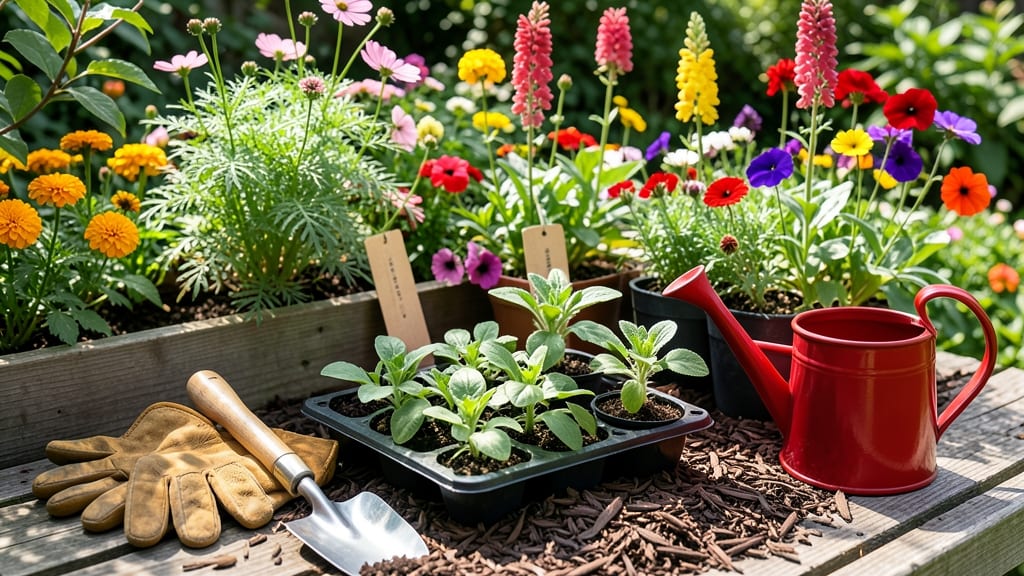
Planting annuals in Connecticut at the wrong time can mean the difference between a vibrant garden bursting with color and a sad, frost-nibbled disappointment. The key isn't just waiting for April 15—it's understanding when your soil actually warms enough for those seeds to sprout fast and strong.
Connecticut's 5b-6b climate throws curveballs with unpredictable frost dates and shifting microclimates, but there's a science to timing it right.
Whether you're in Hartford's urban heat pockets or coastal areas with cooler breezes, knowing your soil's temperature triggers lets you beat the clock and get annuals like marigolds and zinnias thriving by summer.
I've tested the perfect windows—April 15-May 15 for spring plantings and August 1-September 15 for fall bloomers—using real data from CT's agricultural extensions. These aren't just random dates; they're tied to soil temps that guarantee germination, not guesswork.
Ready to transform your yard into a fast-sprouting paradise? Let's dive into the exact soil temps, regional tweaks, and cold-hardy varieties that'll make your annuals the talk of the neighborhood—no matter what Connecticut's weather throws at you.
Connecticut annual planting calendar by soil temperature zones
Connecticut’s hardiness zones 5b-6a create unique microclimates where coastal areas like New Haven and inland regions like Hartford experience frost dates 1-2 weeks apart. Understanding these variations ensures your annuals thrive from April through October.
Coastal CT typically sees its last spring frost around April 15, while inland areas may wait until May 1. Soil temperatures below 50°F slow germination, so timing matters. For example, marigolds need 60°F+ soil to sprout reliably, while pansies tolerate cooler 45°F+ conditions.
Here’s how to align your planting schedule with Connecticut’s soil temperature triggers and regional frost patterns:
| Region | Last Frost Date | Ideal Soil Temp | Best Planting Window | Fall Planting Window |
|---|---|---|---|---|
| Coastal (e.g., New Haven) | April 15 | 50°F+ | April 20–May 15 | August 15–September 10 |
| Inland (e.g., Hartford) | May 1 | 55°F+ | May 1–May 30 | August 1–September 5 |
| Northern CT (e.g., Torrington) | May 10 | 60°F+ | May 15–June 1 | July 30–August 20 |
🌱 Note: Use row covers to extend coastal planting by 2 weeks.
For coastal Connecticut, plant cold-hardy annuals like pansies and snapdragons as early as April 20 when soil hits 50°F. Inland gardeners should wait until May 1 for 60°F+ soil to ensure marigolds and zinnias germinate quickly.
Northern CT’s later frost dates (May 10) mean wait until mid-May for heat-loving annuals like petunias and geraniums. Always check 7-day soil forecasts via CT Agricultural Extension for real-time adjustments.
Fall planting in Connecticut follows the reverse logic: coastal areas can plant until September 10, while inland regions must finish by September 5 to avoid early October frosts. Prioritize heat-tolerant varieties like cosmos and portulaca for late-season color.
Pro tip: Use a soil thermometer to verify temperatures before planting. Direct-seeded annuals (e.g., basil) need 65°F+ soil, while transplants (e.g., tomatoes) tolerate 55°F+. Adjust your schedule based on these thresholds to avoid slow growth or seed rot.
By aligning your planting with Connecticut’s soil temperature zones, you’ll maximize blooms and harvests—whether you’re in New Haven’s coastal breeze or Hartford’s inland heat. Start with cold-hardy varieties in spring, then transition to heat-lovers as temperatures rise.
🌿 For a foolproof schedule, bookmark the CT Agricultural Experiment Station’s frost maps and test soil temps weekly in April and May.
Soil temperature triggers for fast annual sprouting in CT
Connecticut’s spring soil temperatures can vary wildly from 35°F in coastal areas to 50°F inland—making timing everything for fast annual germination. Unlike air temperature, soil warms gradually and holds heat longer, creating the perfect window for seeds to sprout.
Understanding these temperature triggers ensures your marigolds bloom in 6 weeks instead of waiting for a lost summer.
Most annuals need consistent soil temperatures between 60°F and 75°F to germinate reliably. But cooler-loving varieties like peas and lettuce thrive at 40°F–50°F, while heat-seekers like basil and okra demand 70°F+.
Testing your soil’s temperature with a soil thermometer (inserted 2–3 inches deep) removes the guesswork—simply check in the morning for the most accurate reading.
| Plant Type | Soil Temp Trigger (°F) | Germination Time | CT Planting Window |
|---|---|---|---|
| Cold-Hardy (Peas, Lettuce, Spinach) | 40–50°F | 7–14 days | Early April (coastal) – Mid-May (inland) |
| Moderate (Marigolds, Zinnias, Basil) | 60–70°F | 5–10 days | Late April – Early June |
| Heat-Loving (Okra, Sunflowers, Cucumbers) | 70–80°F | 3–7 days | Late May – June 15 |
| Slow Starters (Petunias, Snapdragons) | 55–65°F | 14–21 days | Early May – June 10 |
To speed up soil warming in Connecticut’s cool springs, amend your beds with organic matter like compost or aged manure. These amendments raise soil temperatures by 2–5°F and improve moisture retention, which is critical for seed-to-sprout success.
For example, adding a 2-inch layer of compost before planting can shave 1–2 weeks off germination time for marigolds and zinnias.
If your soil is still below the ideal temperature, try black plastic mulch or row covers to trap heat. These methods can raise soil temps by 10°F+ on sunny days, letting you plant basil and cucumbers a full 2 weeks earlier.
Just remove covers once sprouts emerge to avoid overheating tender seedlings.
Pro tip: Water with warm (not hot) water in the evening to gently raise soil temps overnight. This trick works especially well for slow-germinating seeds like snapdragons, which often struggle in Connecticut’s chilly, damp springs.
Pair this with a seedling heat mat (for container gardening) to give your annuals a head start before transplanting.
Monitor your soil’s moisture too—dry soil warms faster than wet soil, but seeds need consistent moisture to germinate. Aim for 60–70% soil moisture (test by squeezing a handful; it should hold shape but not drip).
With these temperature triggers mastered, your Connecticut garden will burst into color and harvests like never before. 🌱