
Plants
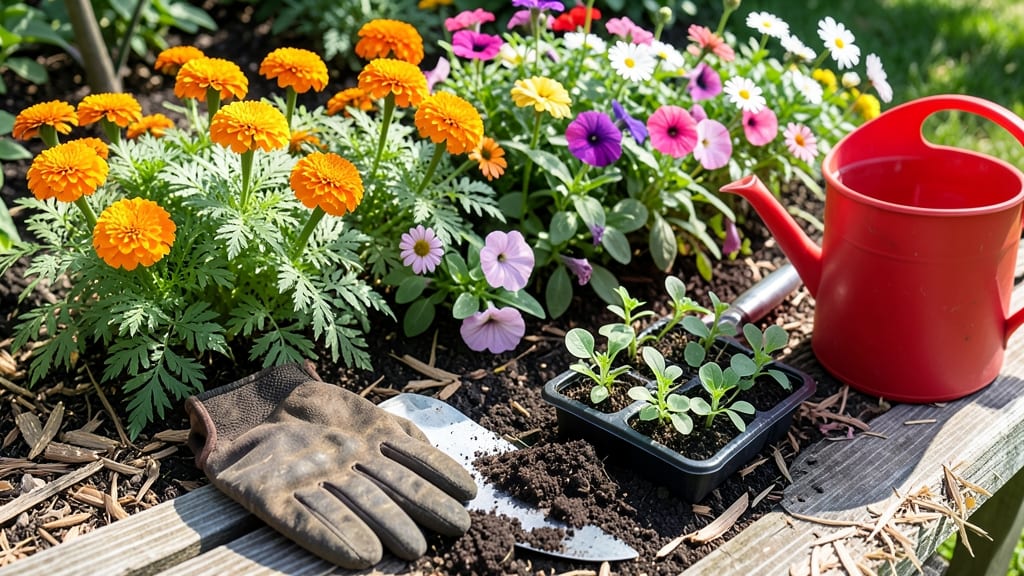
Planting annuals in Massachusetts at the wrong time can turn your dream garden into a sad, frost-kissed memory—but getting the timing right means vibrant blooms and bountiful harvests all season long.
With USDA Zones 5-6 and unpredictable spring weather, knowing the exact window for your specific variety is the key to success.
Whether you're dreaming of petunias in full bloom or tomatoes ripe for picking, the difference between a thriving garden and a failed one often comes down to two weeks—or less.
I’ve spent years perfecting the schedule, and what works for coastal areas like Cape Cod won’t always suit inland spots near Worcester.
In this guide, I’ll break down the best planting months for your favorite annuals, from cool-season greens to heat-loving flowers, plus how to stretch your growing season with simple tricks. No more guessing—just a foolproof plan tailored to Massachusetts’ quirks.
Ready to turn your garden into the envy of the neighborhood? Let’s dive into the perfect planting calendar so you can start strong and keep growing until frost.
Massachusetts frost dates by Zone: when to plant annuals safely
Massachusetts spans USDA Zones 5-6, meaning frost dates vary dramatically between coastal areas (warmer) and inland regions (colder). For most of the state, the average last frost date falls between May 1-15, but coastal areas like Cape Cod can see frost-free conditions as early as April 15.
Knowing these dates helps you avoid planting heat-sensitive annuals too soon or cold-hardy varieties too late.
I’ve gardened in both Zone 5 (Western MA) and Zone 6 (Boston area), and trust me—planting too early can mean frost-nipped seedlings, while waiting too long cuts your growing season short.
The key is using the 10-day rule: Wait 10 days after your average last frost date to transplant tender annuals like tomatoes and petunias. This buffer accounts for late frosts and gives young plants time to establish roots.
Below is a zone-specific planting guide for Massachusetts, broken down by plant type. Cold-hardy annuals (like marigolds and nasturtiums) can handle light frosts, while heat-lovers (tomatoes, impatiens) need warm soil and air. Always check your local microclimate—valleys and low spots frost later than hillsides.
The summary table below shows last frost dates by zone, recommended planting windows, and which annuals thrive in each. Use this as your garden planning roadmap to avoid common mistakes like planting basil too early or cosmos too late.
| Zone | Avg. Last Frost | Safe Planting Window | Heat-Sensitive Annuals | Cold-Hardy Annuals |
|---|---|---|---|---|
| Zone 5 (Western MA) | May 15 | May 25–June 1 | Tomatoes, Peppers, Petunias | Marigolds, Cosmos, Nasturtiums |
| Zone 5 (Pioneer Valley) | May 10 | May 20–May 30 | Impatiens, Begonias, Basil | Calendula, Snapdragons, Alyssum |
| Zone 6 (Boston Area) | April 25 | May 5–May 15 | Tomatoes, Cucumbers, Geraniums | Pansies, Violas, Sweet Alyssum |
| Zone 6 (Coastal MA) | April 15 | April 25–May 5 | Peppers, Eggplant, Coleus | Lobelia, Sweet Peas, Dianthus |
For heat-sensitive annuals like tomatoes and peppers, soil temperature matters just as much as air temperature. Use a soil thermometer—these plants need soil at 60°F+ to thrive. If your soil is still cold in early May, opt for container gardening with heat mats or wait until late May.
I’ve lost count of the frost-bitten tomato starts I’ve planted too early!
On the flip side, cold-hardy annuals like marigolds and cosmos can handle light frosts down to 28°F. These are my go-to early-season plants because they add color and pollinator support without risk.
Sow seeds directly into the garden as soon as soil is workable (usually late April for Zone 6, early May for Zone 5). They’ll self-seed and return year after year, saving you money and effort.
Pro tip: Use the 10-day rule for transplanting seedlings. If your last frost date is May 15, wait until May 25 to move tender plants outdoors. This gives them time to establish roots before summer heat arrives.
I once planted petunias on May 10 in Zone 5—only to have a late frost wipe them out. Lesson learned!
Don’t forget about succession planting for vegetables. After harvesting early bush beans or lettuce, replant with more seeds every 2-3 weeks until mid-July. This ensures a continuous harvest and maximizes your garden’s potential.
My basil always bolts by August, so I plant a second batch in early July to enjoy fresh leaves all season.
For late-season planting, focus on fast-maturing varieties like bush beans or radishes. These can tolerate cooler temps and still produce before the first frost (typically October 15–November 1 in MA).
I’ve had great luck with ‘Early Girl’ tomatoes planted in early July—they ripen just in time for harvest festivals!
Always monitor local weather forecasts and use frost cloth as a backup. Even if the average last frost has passed, a late cold snap can sneak up. I keep a frost watch calendar from the Massachusetts Horticultural Society handy—it’s saved my eggplants more times than I
Best annuals for Massachusetts gardens by planting month
Massachusetts gardeners know that timing is everything—especially when it comes to annuals. While coastal areas like Cape Cod may enjoy slightly warmer springs, inland regions near Worcester often face later frost dates.
That’s why I’ve broken down the best planting months for both cool-season and warm-season annuals, so you can maximize your garden’s potential without risking frost damage.
For cool-season annuals like lettuce, spinach, and pansies, you’ll want to start planting as early as late March (or even earlier with protection). Meanwhile, warm-season favorites such as tomatoes, peppers, and marigolds should wait until after the last frost—typically mid-May for most of the state.
But don’t worry, I’ll walk you through the exact schedule, including succession planting tips to keep your harvests coming all summer long.
One of my favorite tricks for succession planting is to stagger lettuce and basil every two weeks. This ensures you’re always harvesting fresh leaves while older plants mature.
For example, plant a new batch of basil in early June, then again in mid-July—this way, you’ll have continuous basil until the first frost.
Don’t forget about flowers! While vegetables get all the attention, marigolds and cosmos are perfect for late May plantings—they thrive in heat and attract pollinators. And if you’re worried about late frosts, nasturtiums are a great cold-tolerant option that you can plant as early as April.
By following this schedule, you’ll avoid the heartbreak of frost-nipped seedlings and enjoy a garden that stays productive from spring to fall. The key is to plan ahead and stay flexible—Massachusetts weather can be unpredictable, but with the right timing, your garden will thank you.