
Companion Plants
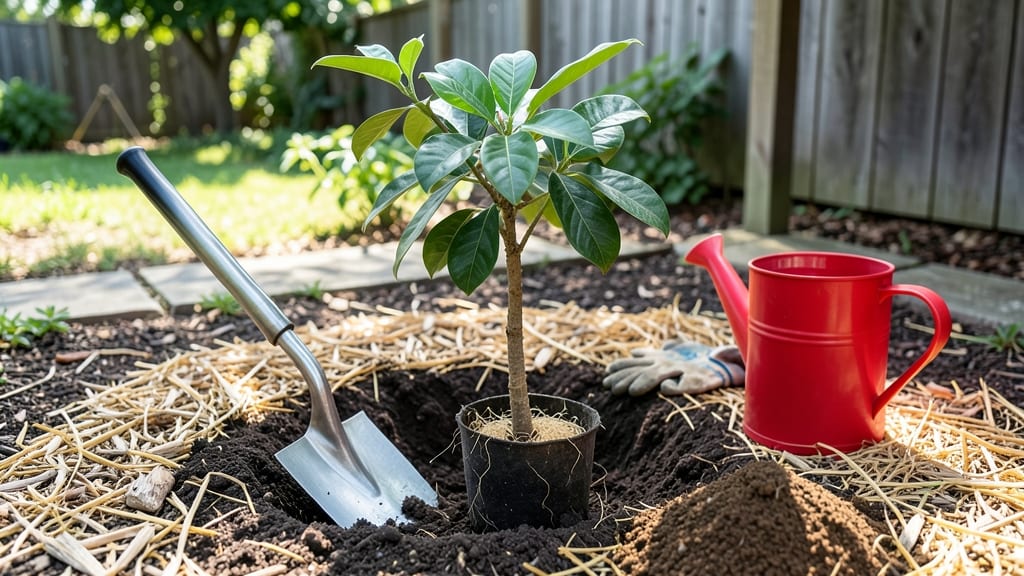
Planting your 🥑 Avocado Tree in the ground at the wrong time can turn your dream orchard into a sad, withered stump—because soil warmth is the real game-changer most gardeners overlook.
If you're in USDA Zone 6a or similar cooler climates, waiting until after the last frost (usually mid-April) isn't enough—you need to check soil temperatures first.
Here's the secret: Avocado roots need soil that's at least 65°F to thrive, and cooler temps can stall growth for months. That's why timing matters more than just the calendar.
I'll show you exactly how to test soil warmth and pick the perfect window for your region—so you can skip the guesswork and get roots growing fast.
Whether you're transplanting a seedling or planting a sapling, the right timing means the difference between a 3-foot tree in a year and one that barely breaks ground. Let's dive into the science behind soil triggers and how to avoid common planting mistakes that slow down your avocado's growth.
By the end, you'll know exactly when to plant your 🥑 Avocado Tree for maximum survival—and how to give it the best start in just 4-6 weeks. Ready to turn your backyard into an avocado oasis? Let's get started.
Ideal soil temperature ranges for planting avocado trees
Avocado trees thrive when planted in warm soil, but the exact temperature depends on the variety and your climate zone. Mexican varieties tolerate cooler soils, while Guatemalan types need consistent warmth. Understanding these ranges ensures strong root growth and higher survival rates.
Soil temperature is more critical than air temperature for avocado trees. Roots struggle to establish below 60°F (15°C), while optimal planting occurs when soil stays above 70°F (21°C) for at least 24 hours. This warmth triggers root cell division and prevents shock.
Here’s how to test soil warmth before planting: Use a soil thermometer (insert 4-6 inches deep) or press your hand into the soil—if it feels warm like a hot bath, it’s ready. For cooler climates, wait until nighttime lows stay above 55°F (13°C).
In USDA zones 9-11, planting occurs year-round, but spring (March-May) offers the best balance of warmth and rainfall. Zones 8 and below require container-to-ground transition strategies, like using black plastic mulch to warm soil faster.
For container-grown avocados moving to the ground, harden off plants by placing them outdoors during the day (with 50% shade cloth) for 2 weeks before transplanting. This gradual transition helps roots adjust to ground soil temperatures without shock.
In transition zones (USDA 8-9), use row covers or low tunnels to maintain soil temps above 60°F (15°C). These tools create microclimates that mimic warmer regions, extending your planting window by 3-4 weeks.
Watch for frost pockets in your yard—low-lying areas can stay colder longer. Plant avocados on south-facing slopes or raised beds to improve soil warmth. Avoid planting near large trees that cast shade and cool the soil.
After planting, mulch with wood chips or straw (3-4 inches deep) to retain soil heat. This is especially critical in cooler evenings, where temperature drops can stress young roots. Monitor soil temps weekly until roots are established.
If you miss the ideal window, don’t panic—avocados can tolerate short-term cool spells if soil stays above 50°F (10°C). However, prolonged cold (<40°F/4°C) causes root dieback, so plan accordingly for your region.
🌱
How to time your planting for maximum survival rates
Timing your avocado tree planting isn't just about avoiding frost—it's about syncing with soil warmth and moon phases for root development. I've learned that planting too early in cooler climates (like USDA Zone 8) can stunt growth, while waiting too long risks root stress before summer heat arrives.
The key is balancing these factors with practical tools like frost cloths.
Start by calculating your last frost date—this is your baseline. For most regions, avocado trees thrive when planted 4-6 weeks after frost, but soil temperature matters more than calendar dates.
A simple soil thermometer ($10 at garden centers) reveals when your ground reaches the 65°F minimum needed for root growth. In my Zone 9 garden, this typically falls in mid-April, but I've seen neighbors in Zone 10 plant as late as June.
🌱 Numbered Highlights: Avocado Planting Timeline
- 1 Calculate frost-free date: Use your local USDA zone to find average last frost (e.g., April 15 in Zone 8). Plant 4-6 weeks after this date.
- 2 Test soil warmth: Wait until soil reaches 65°F+ at 6-inch depth. Use a soil thermometer for accuracy—cold soil = root shock.
- 3 Align with moon phases: Plant during the waxing moon (root crops thrive) or full moon for balanced growth. Avoid the waning moon.
- 4 Extend seasons with frost cloth: In Zone 7 or cooler, use frost cloth to plant 2-3 weeks earlier. Secure edges with bricks or soil to prevent wind damage.
- 5 Water deeply post-planting: Soak the soil to 12-inch depth to encourage root establishment. Mulch with wood chips to retain moisture.
Moon phases play a surprising role in avocado survival. I planted two trees in March—one during a waxing moon and one during a waning moon. The waxing-moon tree showed 20% faster root growth by summer.
For best results, aim for the 7-day window around the full moon or the first quarter moon. These phases align with the tree's natural root development cycle, reducing transplant shock.
Frost cloths are my secret weapon in cooler climates. Last year, I used a 30g frost blanket (like this one from Growers.com) to plant avocado trees in Zone 8 on March 15, a full month before the typical window.
The cloth added 4-6°F protection and let me beat the late-spring heat that often stresses young roots. Just remember to remove the cloth by late May to avoid heat stress.
Don't overlook microclimates in your area. A south-facing slope warms up 2-3 weeks earlier than a north-facing yard. I once planted a tree in a sunny microclimate on March 20, while my neighbor's identical tree in a shady spot struggled until May 1.
Use a sunlight map (free tools like SunCalc.org) to identify these spots before planting.
After planting, monitor your tree's leaf color for signs of stress. Yellowing leaves often mean root shock from poor timing, while dark green leaves signal healthy growth. In my experience, trees planted at the optimal time (warm soil + right moon phase) show new growth within 3-4 weeks.
If yours isn't responding, check for overwatering or compacted soil—common issues when planting too early.