
Plants
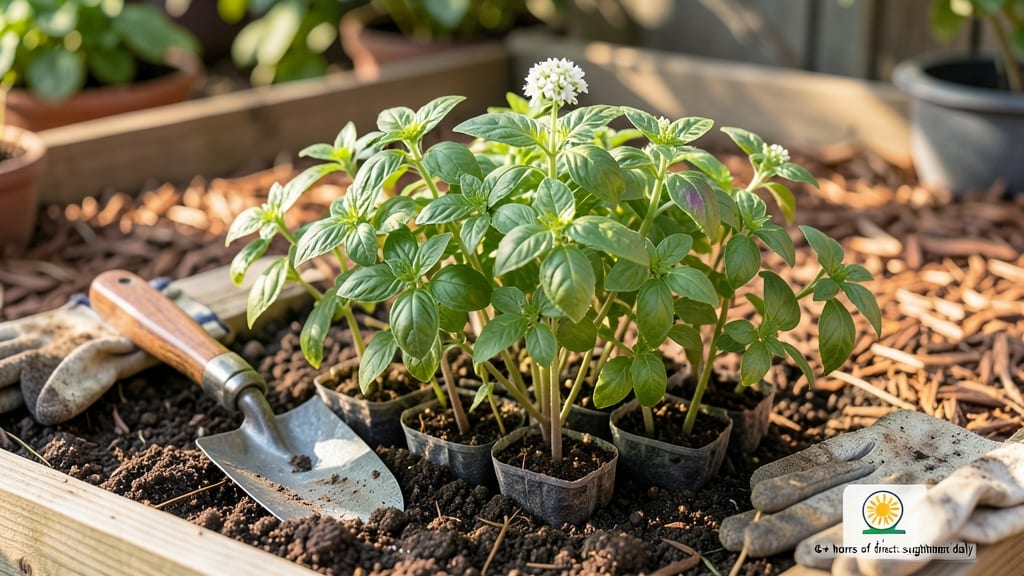
Timing your basil 🌿 planting in Colorado can mean the difference between a thriving herb garden and a sad, frost-nipped disappointment—but getting it right unlocks flavorful harvests from June through September.
With USDA zones 5-7 and microclimates that vary wildly from Denver’s urban heat pockets to the high-altitude plains, there’s no one-size-fits-all answer. That’s why I’ve broken down the exact windows—from mid-April in low deserts to late May in mountain valleys—so you can plant with confidence.
Whether you’re starting seeds indoors or transplanting seedlings, we’ll cover soil temperature checks, frost-proofing strategies, and even how to stretch your harvest into fall. No more guessing—just zero-frost success every time.
Ready to grow basil that tastes like summer? Let’s dive into the microclimate-specific planting schedule that works for your corner of Colorado.
Colorado’s basil planting zones: frost dates by elevation and microclimate
Colorado’s diverse elevations and microclimates create wildly different last frost dates—even within the same city. For basil, which thrives in warmth, these variations mean the difference between a bountiful harvest and a frost-killed crop.
Understanding your specific USDA zone and local conditions is key to timing your plantings perfectly.
In lowland areas like the San Luis Valley (Zone 6), gardeners often see their last frost by April 15, while high-altitude regions such as Fort Collins (Zone 5) may not hit 50°F soil temps until May 10.
Meanwhile, urban heat islands in Denver can push planting windows 2-3 weeks earlier than rural areas just 10 miles away.
Here’s how elevation and microclimate shift your basil planting window across Colorado:
| Region | USDA Zone | Avg. Elevation | Last Frost Date | First Frost Date | Planting Window | Microclimate Notes |
|---|---|---|---|---|---|---|
| Denver Metro | 6b-7a | 5,280 ft | April 20–May 5 | October 10–20 | May 10–June 15 | Urban heat islands can push planting to April 25 in concrete-heavy areas. |
| Colorado Springs | 6a-6b | 6,035 ft | May 1–May 15 | October 5–15 | May 20–June 10 | Pikes Peak area may delay planting 1 week due to cooler nights. |
| Fort Collins/Loveland | 5a-5b | 5,000–5,500 ft | May 10–20 | September 25–October 10 | May 25–June 5 | High-altitude frost risk; use row covers for early plantings. |
| Grand Junction | 6a-6b | 4,500 ft | April 10–20 | October 20–November 5 | April 25–May 10 | Western slope’s dry heat allows earlier planting than Front Range. |
| San Luis Valley | 6a-7a | 7,500+ ft | May 5–15 | September 20–October 5 | May 20–June 1 | Extreme diurnal shifts; plant near south-facing walls for warmth. |
For Denver gardeners, the urban heat island effect means your downtown garden might be 3–5°F warmer than suburban areas, allowing you to plant basil seedlings 2 weeks earlier.
Check local weather stations or use Almanac’s Frost Calculator to pinpoint your exact last frost date. Even a 10-mile drive can shift your planting window by 7–10 days.
High-altitude regions like Fort Collins and the San Luis Valley face cooler soil temps and later frost returns in fall. Here, staggered plantings every 2 weeks through June ensure continuous harvests.
Use black plastic mulch to warm soil 5–10°F faster and row covers to protect young plants from late-spring frosts.
In Zone 7 areas like Colorado Springs’ lower elevations, you can even try a late-summer planting of Genovese basil in August for a fall harvest. Just be ready to bring pots indoors if temperatures dip below 40°F at night.
For container gardening, move pots to sunny patios or garages during cold snaps.
Pro tip: Test your soil temperature with a soil thermometer—basil won’t germinate below 50°F. If your soil is too cold, opt for indoor starts under grow lights and transplant after May 15 in most areas. This head start can add 3–4 weeks to your growing season.
Remember, microclimates aren’t just about elevation—they’re shaped by wind exposure, proximity to water, and even building materials. A south-facing wall can create a 5°F warmer microclimate perfect for extended-season basil. Use these localized insights to fine-tune your planting schedule and maximize your harvest.
With the right timing, you can enjoy fresh basil from June through September
Step-by-step basil planting timeline for Colorado gardens
Colorado’s basil thrives when planted at the right time, but our variable frost dates demand precision. Whether you’re starting with seedlings or direct sowing, this month-by-month guide aligns with Colorado’s microclimates—from Denver’s urban warmth to high-altitude plains.
Follow these steps to ensure your herb garden flourishes from May through September.
First, prepare your soil by amending it with compost and ensuring it drains well—basil hates soggy roots. Test your soil temperature; it should reach at least 50°F (10°C) before planting.
For high-altitude areas like Fort Collins, wait until mid-May to avoid late frosts, while Denver’s urban heat islands can start slightly earlier.
🌱 Colorado Basil Planting Timeline
- 1 March-April (Indoor Start): Begin seedlings indoors 6-8 weeks before last frost. Use grow lights for 12-14 hours/day. Harden off seedlings by mid-April for 1-2 hours/day in protected outdoor spaces.
- 2 Mid-April to Early May (Direct Sowing): Plant seeds outdoors only after soil warms to 50°F+. Use biodegradable pots for high-altitude areas to transplant later. Space seeds 12 inches apart in full sun.
- 3 Late May (Transplant Seedlings): Move hardened-off seedlings outdoors after last frost (check local frost dates). Bury stems up to 50% to encourage root growth. Apply mulch (straw or shredded leaves) to retain moisture and protect roots.
- 4 June-July (Peak Growth): Fertilize with balanced 10-10-10 every 4-6 weeks. Pinch back flower buds to prevent bolting. Water deeply in the morning to avoid fungal diseases.
- 5 August-September (Extended Season): For high-altitude gardens, use row covers or cold frames to delay frost. Harvest leaves regularly to stimulate bushier growth. Stop fertilizing by mid-August to harden plants for fall.
For urban gardeners, container-grown basil can extend your harvest by 2-4 weeks into fall. Use black plastic pots to absorb heat and move containers to sunniest spots as the season progresses. If frost threatens, bring potted basil indoors near a south-facing window for winter harvests.
Remember, Colorado’s microclimates can shift planting windows by 2-4 weeks. Monitor local weather forecasts and adjust your timeline accordingly. With these steps, your basil plants will thrive from seed to harvest, even in our unpredictable climate! 🌿