
Plants
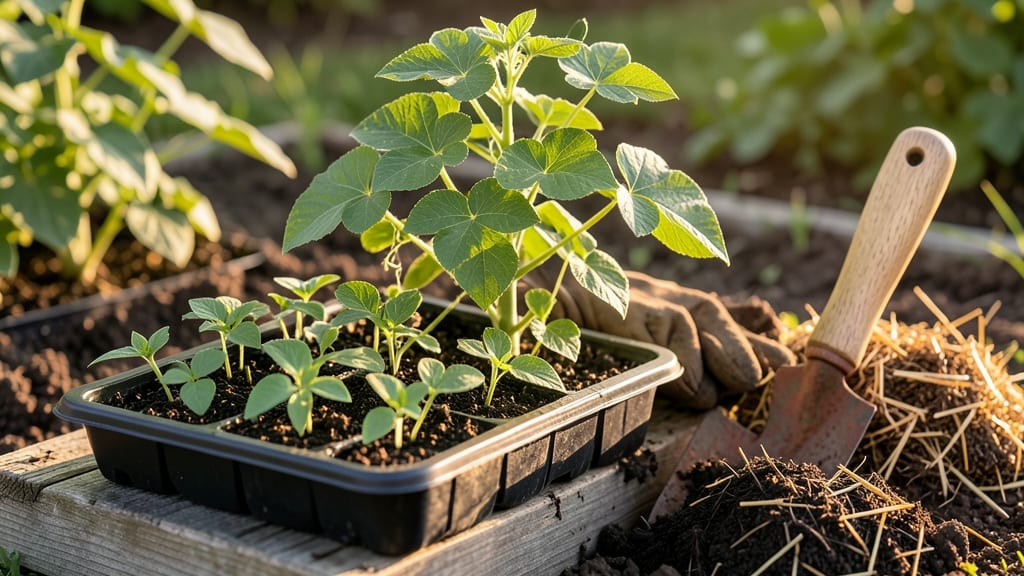
Planting beans in Georgia at the wrong time can mean the difference between a bumper crop and a total flop—especially when soil temperatures and humidity play such a big role.
Unlike cooler climates, Georgia’s 7b-8b zones demand precision: too early, and your seeds will sit in cold soil, refusing to sprout; too late, and summer’s heat can stress young plants before they even set pods.
I’ve tested the best windows over the years, and the key is knowing when your soil hits that 60°F threshold—the magic number for fast germination. Whether you’re in the Coastal Plain or the Piedmont, the right timing ensures your 🌱 beans thrive, not just survive.
Let’s break down exactly when to plant for maximum yield, so you can avoid the common mistakes that waste time and effort.
Most gardeners in Georgia focus on spring planting, but fall offers a second chance—if you act fast. The window between late July and early September is your best bet for a second harvest, provided you account for Georgia’s unpredictable humidity spikes.
I’ll show you how to time it perfectly, including tricks like pre-sprouting seeds in cooler areas to give them a head start.
Ready to grow beans that grow fast and produce abundantly? You’ll learn the exact soil temperature triggers, regional adjustments, and companion plants that boost your harvest—without the guesswork. Let’s get those beans in the ground the right way.
Ideal soil temperature ranges for planting beans in Georgia regions
Beans thrive in Georgia’s warm climate, but soil temperature is the single most critical factor for successful germination. Unlike cool-season crops, beans need consistently warm soil—at least 60°F—to sprout reliably.
In Georgia’s diverse regions, this means timing varies from mid-March in Coastal areas to late April in the Mountains. Understanding these ranges helps you avoid the two biggest mistakes: planting too early (when soil is still cold) or too late (risking heat stress before harvest).
Georgia’s three main regions—Coastal Plain, Piedmont, and Mountain—experience different soil warming patterns due to elevation and humidity. Coastal areas warm fastest, while Mountain regions lag behind by 2–4 weeks.
Even within a region, microclimates (like urban heat islands or shaded spots) can shift optimal planting windows by 1–2 weeks. For example, Atlanta’s Piedmont zone might see 65°F soil by late March, while Blairsville’s Mountain zone could still be 55°F in early April.
To test your soil temperature accurately, use a soil thermometer (available for under $10). Insert it 2–3 inches deep—the depth where bean seeds will germinate—and check readings in the morning (7–9 AM). Avoid afternoon tests, as surface temps can spike 10–15°F hotter due to sun exposure.
If your soil is below 60°F, wait 1–2 weeks or use black plastic mulch to warm it faster (this can raise soil temps by 5–10°F in 3–5 days).
Bush beans (like 'Blue Lake' or 'Kentucky Wonder') are slightly more cold-tolerant than pole beans (such as 'Kentucky Blue' or 'Rattlesnake'). Bush varieties can germinate at 55–60°F, while pole beans prefer 60–65°F. This matters if you’re pushing early plantings—bush beans might sprout in cooler Mountain soils, but pole beans could rot in the ground waiting for warmth. For fall plantings, aim for soil temps between 60–80°F to avoid heat stress before the first frost.
| Region | Optimal Soil Temp Range (°F) | Best Planting Window | Notes |
|---|---|---|---|
| Coastal Plain (e.g., Savannah, Brunswick) | 60–85°F | Mid-March to early May | Warmer soils; watch for early heat stress in May |
| Piedmont (e.g., Atlanta, Macon) | 60–80°F | Late March to early June | Moderate temps; ideal for succession planting |
| Mountain (e.g., Blairsville, Dahlonega) | 60–75°F | Late April to early July | Cooler soils; extend season with row covers |
| All Regions (Fall Planting) | 60–70°F | Late July to early September | Avoid planting when soil exceeds 85°F |
If your soil temps are consistently above 85°F (common in June–August in Coastal Georgia), beans may struggle to germinate or develop properly. To mitigate this, plant shade-tolerant varieties like 'Scarlet Runner' or use drip irrigation to keep soil moist without overheating.
For Mountain regions, consider row covers to extend the growing season by 2–3 weeks in spring or fall. These lightweight fabrics raise soil temps by 3–5°F while protecting young plants from late frosts.
Adjusting for early or late plantings requires strategy. For early spring plantings in cooler zones, pre-sprout seeds indoors (place seeds between damp paper towels for 3–5 days at 70–75°F until roots emerge). Transplant these sprouted seeds into warmed soil for a 2-week head start.
For late summer plantings, choose heat-tolerant varieties like 'Black Valentine' or 'Crimson Glory' and plant in partial shade (e.g., near taller crops) to reduce soil temps by 5–10°F.
Monitor soil moisture alongside temperature—beans need consistent moisture to germinate, but soggy soil can rot seeds. Aim for 1–1.5 inches of water per week, applied deeply rather than shallowly. In Georgia’s humid climate, mulch with straw or grass clippings to retain moisture and regulate soil temps.
This is especially critical in Piedmont and Mountain regions, where soil dries out faster due to lower humidity. A 3-inch mulch layer can keep soil 5–
Best months to plant beans in Georgia: a month-by-month guide
Georgia’s diverse climate—from the humid Coastal Plain to the cooler Mountain regions—means your bean planting schedule should adapt to local conditions. Spring and fall are your best bets, but the exact timing depends on whether you’re growing bush beans (faster-maturing) or pole beans (longer season).
Coastal areas can start earlier, while North Georgia’s higher elevations need to wait for warmer soil.
To maximize your harvest, aim for two planting windows: early spring (as soon as soil warms) and late summer (for a fall crop). Succession planting every 2–3 weeks ensures a steady supply of fresh beans. Here’s your month-by-month breakdown, tailored to Georgia’s microclimates:
- 1 March (Coastal Plain only): Plant bush beans in early March if your soil reaches 60°F+. North Georgia should wait until mid-March. Pre-sprout seeds indoors to speed up germination in cooler areas.
- 2 April (Statewide): Ideal for both bush and pole beans. Soil temps should be 65–75°F. Plant every 2 weeks until May 1st for continuous harvests. Use black plastic mulch to warm soil faster in Piedmont regions.
- 3 May (Critical Deadline): Last chance for spring planting. Stop by May 15th in North Georgia to avoid summer heat stress before pods mature. Pole beans need extra water during this hot window.
- 4 June–July (Fall Prep): Skip planting—beans hate midday heat above 90°F. Use this time to soil-test and add compost for your fall crop. Monitor for bean beetles and use row covers if needed.
- 5 August (Fall Planting Starts): Plant heat-tolerant varieties like ‘Iron Clay’ or ‘Blue Lake’ by August 1st in Coastal Georgia. North Georgia can wait until August 15th. Succession plant every 3 weeks for fall harvests.
- 6 September (Last Window): Final planting by September 15th to harvest before first frost (Nov 15). Choose short-season varieties (50–60 days) like ‘Contender’ or ‘Blue Lake Bush’. Mulch heavily to extend the season.
Pro tip: Pole beans thrive in Georgia’s heat but need trellises or stakes to support their vines. In North Georgia’s Zone 7b, opt for earlier-maturing varieties to beat the first frost. Coastal gardeners can push limits with black plastic mulch to warm soil faster in early spring.
Remember, succession planting is key—sow new seeds every 2 weeks during your planting windows to avoid gluts and gaps. And always harvest regularly to encourage more production. With this schedule, you’ll enjoy fresh beans from June through November—just in time for those late-summer BBQs!
🌱