
Plants
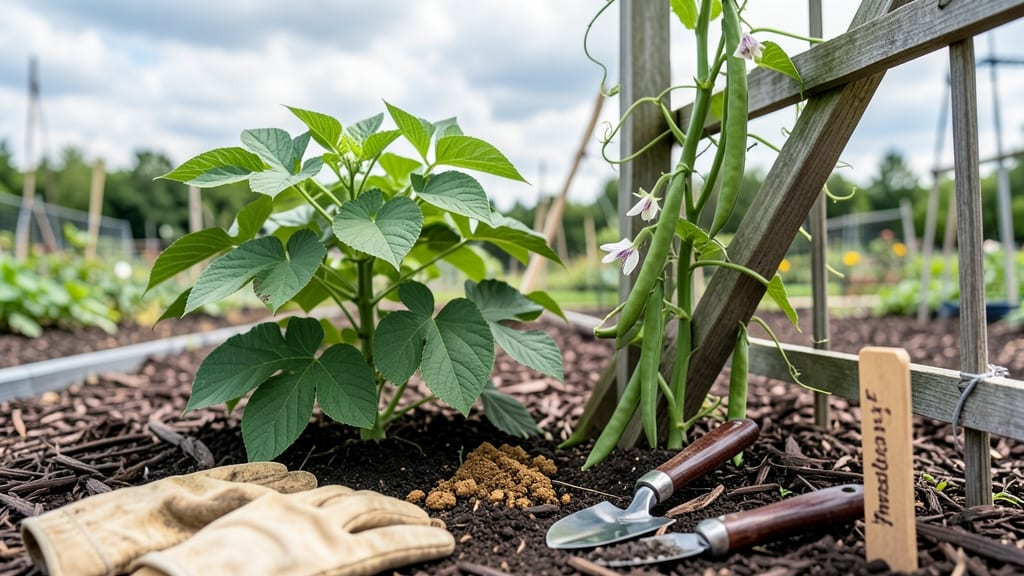
Planting beans in Maine might seem tricky with its chilly springs, but getting the timing right means the difference between a thriving 🌱 harvest and wasted effort.
The key is waiting for that mid-May to early June window when soil warms and frost fears fade—though some cold-hardy varieties can handle earlier starts if protected.
Most gardeners in zones 5b-6a wait until after the last frost date, but the real secret lies in soil temperature. Beans need warmth to germinate, so testing with a soil thermometer (aim for 60°F+) beats guessing. This simple step prevents the heartbreak of slow starts or seed rot.
Whether you're growing bush beans for quick harvests or pole beans to climb trellises, timing matters. I’ll show you exactly how to choose varieties that thrive in Maine’s short season and extend your harvest into fall—no more losing your crop to early freezes.
Ready to turn your garden into a bean bonanza? Let’s dive into the best planting strategies, soil prep tricks, and frost-proofing tips that actually work for Maine’s climate. Your future harvest starts now.
Maine’s frost dates and best bean planting windows by region
Maine’s last frost dates vary dramatically from the cooler northern regions to the warmer southern coast, making timing critical for bean success.
In USDA Zones 5b-6a, northern areas like Presque Isle often see frost until mid-June, while southern spots like Portland may warm up by late April. This 10-week difference means your planting window could shift from late May in the north to early May in the south.
Beans are one of the few crops that can handle light frost, especially cold-tolerant varieties like 'Provider Green Label' or 'Wax Pole'. These hardy types can survive 28°F temperatures for short periods, giving you a 2-3 week buffer before the official last frost.
However, soil temperature matters more than air temperature—wait until soil reaches 60°F for reliable germination.
To calculate your heat unit requirements, Maine gardeners need 1,000-1,200 growing degree days (GDD) for most bush beans and 1,200-1,500 GDD for pole beans. Using a GDD calculator (like the Midwest Regional Climate Center’s tool) helps pinpoint your exact planting window based on your local microclimate.
For example, Bangor typically hits 1,000 GDD by June 1, while Bar Harbor may need to wait until June 15.
Here’s how to adjust your planting based on Maine’s regional frost patterns, including bush vs. pole beans and cold-hardy varieties that extend your harvest:
For pole beans, which need trellises or stakes, plant 2 weeks earlier than bush beans to give them time to climb and establish before Maine’s summer heat peaks. 'Wax Pole', for example, thrives in cooler coastal areas and can produce pods even after light frost if planted in early June.
In contrast, bush beans like 'Blue Lake' mature faster (in 50-55 days) and are better for northern Maine’s shorter season
How to choose cold-hardy bean varieties for Maine’s short growing season
Maine’s short growing season demands fast-maturing and frost-tolerant bean varieties to ensure a successful harvest. With USDA zones 5b-6a, gardeners must prioritize varieties that thrive in cool temperatures and resist common Maine diseases like bean rust and powdery mildew.
The right choice can mean the difference between a 50-day harvest and a failed crop.
When selecting beans for Maine, focus on early-maturing bush types that produce pods in 45-55 days. These varieties outperform slower-growing heirlooms in our 165-day frost-free window. Pole beans, while slower to mature, offer higher yields and can continue producing later into the season with proper care.
Always opt for disease-resistant strains like those labeled "rust-resistant" or "blight-resistant" on seed packets.
| Variety | Type | Days to Harvest | Height | Disease Resistance | Yield Potential |
|---|---|---|---|---|---|
| Blue Lake Bush | Bush | 50-55 days | 2-3 ft | Rust-resistant | High (10-12 pods/plant) |
| Kentucky Wonder | Pole | 60-65 days | 6-8 ft | Blight-resistant | Very High (20+ pods/plant) |
| Wax Pole | Pole | 55-60 days | 5-6 ft | Mildew-resistant | High (15+ pods/plant) |
| Provider Green Label | Bush | 45-50 days | 1.5-2 ft | Multi-resistant | Medium (6-8 pods/plant) |
| Contender | Pole | 60-65 days | 6-7 ft | Rust-resistant | Very High (25+ pods/plant) |
For maximum efficiency, I recommend starting with 'Blue Lake Bush'—it’s my go-to for early harvests in Maine’s cooler springs. This variety matures in just 50-55 days, giving you pods by early July when nights grow chilly.
Its rust-resistant trait also means fewer chemical treatments, which is a win for organic gardeners. Plant seeds 1 inch deep and 3 inches apart in rows spaced 18 inches apart.
If you prefer pole beans, 'Kentucky Wonder' is a classic heirloom that performs exceptionally well in Maine. Its 6-foot vines produce heavy yields through late summer, and its blight resistance helps it withstand Maine’s humid summers.
Install trellises early to support these vigorous climbers, and watch them thrive in full sun conditions. For a compact option, try 'Provider Green Label', which matures in just 45-50 days and resists multiple diseases.
To extend your harvest, consider succession planting every 2 weeks after your initial planting. This strategy ensures a steady supply of fresh beans throughout Maine’s July and August growing window. Always harvest regularly—picking pods every 2-3 days encourages more production and prevents bitterness. Store harvested beans in the fridge