
Plants
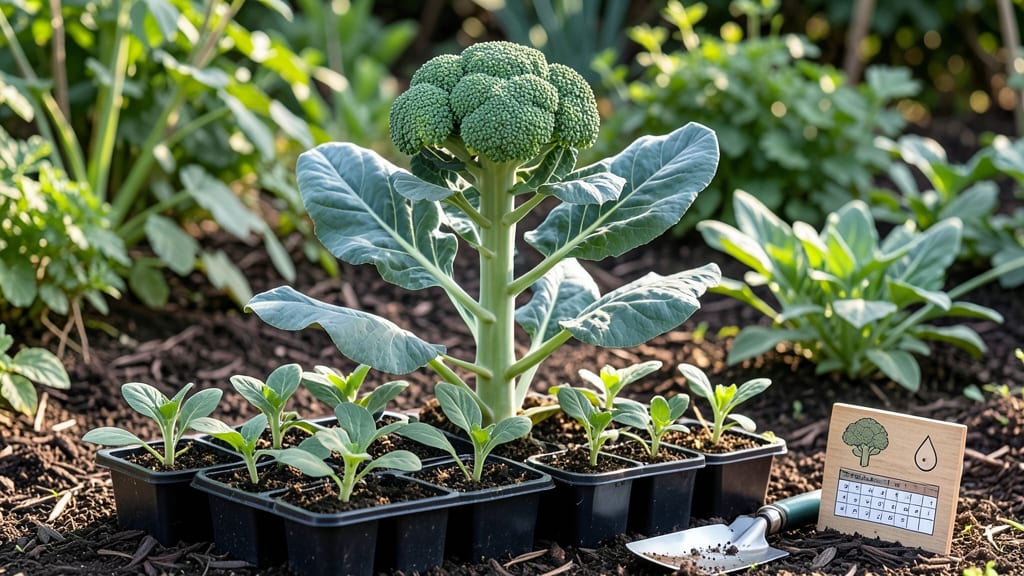
Planting broccoli in Mississippi might seem tricky with its warm winters and hot summers, but timing it right can mean the difference between a bountiful harvest and wasted effort.
The key is understanding your zone—whether you're in Zone 7a or 8a—and working with Mississippi's unique climate to avoid bolting or stunted growth.
Most gardeners in Mississippi plant broccoli in early spring (February-March) and again in late summer (July-August) for a fall harvest. This two-season approach lets you enjoy fresh 🥦 from May-June and again in October-November, just before the first frost.
The trick is starting seeds indoors or sowing directly when soil temps drop below 75°F—too early, and seedlings may rot; too late, and the heat will send your plants straight to seed.
If you're new to growing broccoli, you might wonder how to extend your harvest window in Mississippi's heat. The answer lies in shade cloth, succession planting, and choosing the right varieties that thrive in Zones 7a-8b.
I’ll walk you through the best cold-hardy types and exactly when to plant them for maximum success—no guesswork, just results.
Ready to grow broccoli that thrives in Mississippi’s climate? Let’s dive into the exact planting schedule, soil prep tips, and companion plants that will keep your 🥦 healthy and productive all season long. You’ll be harvesting crisp, flavorful heads in no time!
Best planting times for broccoli in Mississippi’s climate
Mississippi’s unique climate—with its mild winters and long growing season—lets you grow broccoli twice a year, but timing is critical. In USDA Zones 7a-8b, broccoli thrives in cool weather (50-75°F) and struggles when temperatures rise above 80°F or drop below 32°F.
Coastal areas like Biloxi stay warmer longer, while inland regions like Tupelo experience earlier frosts. Here’s how to align your planting schedule with Mississippi’s microclimates for bumper crops.
For spring harvests, start seeds indoors or sow directly 4-6 weeks before your last frost date (typically mid-February to early March for most of the state).
In Zone 8b, you can push this slightly earlier (late January), while Zone 7a gardeners should wait until late February to avoid frost damage. Transplants should be ready by March 15 for a May-June harvest.
Fall planting offers another chance for harvests. Sow seeds late July to early August for a fall-winter crop that matures before the first frost (usually mid-November). In coastal areas, you might extend this window into early September, but inland gardeners should finish by mid-August to avoid heat stress.
Succession planting every 2-3 weeks ensures a steady supply of broccoli heads.
Soil temperature is just as important as air temperature. Broccoli seeds germinate best when soil is between 40-85°F, but ideal sprouting occurs at 60-70°F. In Mississippi, soil warms quickly in spring—wait until soil reaches 50°F before sowing. Use a soil thermometer to check, especially in sandy soils that heat up faster. Coastal areas may need shade cloth in late summer to protect young plants from intense heat.
Direct sowing vs. transplanting depends on your patience and local conditions. In Mississippi, I recommend transplanting for spring crops because it gives you a head start. Start seeds indoors 6-8 weeks before your last frost date using grow lights or a sunny windowsill.
For fall crops, direct sowing works well if you’re planting late—just be prepared to thin seedlings to 12-18 inches apart. Coastal gardeners can extend their season by 1-2 weeks compared to inland areas.
Mississ
Cold-hardy broccoli varieties perfect for Mississippi gardens
Mississippi’s mild winters and humid summers create a unique challenge for growing broccoli. The right cold-hardy varieties can thrive in USDA Zones 7a-8b, producing high yields even when temperatures dip.
Unlike heat-sensitive varieties, these broccoli types tolerate light frosts and extended cool seasons, making them ideal for fall and winter harvests.
For Mississippi gardeners, choosing between heading broccoli (traditional large heads) and sprouting broccoli (continuous side shoots) can extend your harvest window by 4-6 weeks. Heading types like ‘Waltham 29’ deliver bold, flavorful crowns, while sprouting varieties like ‘Calabrese’ keep producing after the main head is harvested.
Disease resistance is also key—look for clubroot-resistant and downy mildew-tolerant varieties to avoid common Mississippi pests.
| Variety | Type | Days to Maturity | Cold Tolerance | Disease Resistance | Best For |
|---|---|---|---|---|---|
| ‘De Cicco’ | Sprouting | 50-60 days | ❄️ 25°F | Clubroot, Downy Mildew | Extended harvests |
| ‘Waltham 29’ | Heading | 60-70 days | ❄️ 20°F | Black Rot | Early spring harvests |
| ‘Calabrese’ | Heading | 70-80 days | ❄️ 15°F | Cabbage Worms | Large heads, heat tolerance |
| ‘Belstar’ | Heading | 55-65 days | ❄️ 22°F | Black Rot, Yellows | Fall planting |
| ‘Green Magic’ | Sprouting | 45-55 days | ❄️ 28°F | Clubroot | Container growing |
If you’re planting for a spring harvest, prioritize ‘Waltham 29’ or ‘Belstar’—both mature quickly and handle Mississippi’s early spring chills.
For fall and winter crops, ‘De Cicco’ and ‘Green Magic’ are my top picks because their sprouting habit means you’ll get multiple harvests from a single plant, even in cooler months.
For disease-prone areas, always choose clubroot-resistant varieties like ‘De Cicco’ or ‘Green Magic’. Mississippi’s high humidity can encourage fungal diseases, so well-draining soil and <