
Companion Plants
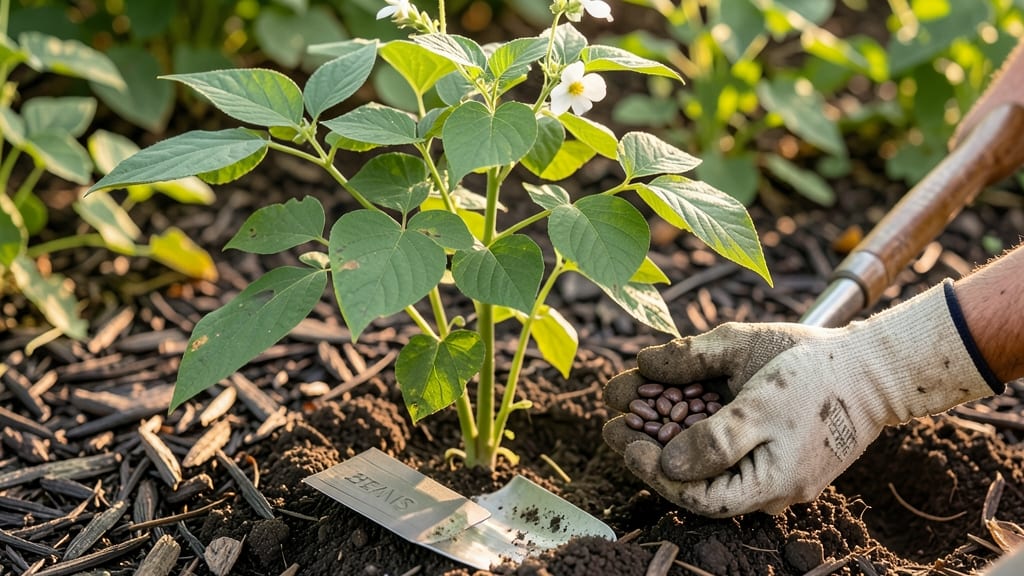
Planting beans in Virginia at the wrong time can mean the difference between a garden full of 🌱 thriving plants and a sad, withered disappointment. The key isn't just waiting for spring—it's understanding your local frost dates, soil temperatures, and the specific needs of bush, pole, or lima beans.
With Virginia's 7a-8b climate, you've got a 6-week window between April 15 and June 15 to get seeds in the ground after the last frost.
But timing varies by variety, and planting too early can leave your beans vulnerable to cold snaps while waiting too long might miss the ideal harvest window of July-September.
I'll show you exactly when to plant each type—whether you're direct sowing or starting indoors—and how to adjust for early or late seasons. You'll learn the perfect soil temps for germination, the best companion plants, and even how to extend your harvest with simple tricks.
Ready to grow beans that produce all summer long? Let's dive into the frost-free schedule that'll make your garden thrive.
Virginia bean planting calendar: frost dates & variety-specific timing
Timing your bean plantings in Virginia is all about understanding your last frost dates and soil temperature thresholds. Most of Virginia falls within USDA zones 7a-8b, which means you typically have a 185-day frost-free window from early April to mid-November.
However, the exact timing varies by region—coastal areas like Norfolk may see their last frost by March 15, while higher elevations like Roanoke might wait until April 15 or later.
Beans are warm-season crops that need consistent soil temperatures above 60°F to germinate properly. If you plant too early, your seeds may rot in cold, wet soil. On the other hand, planting too late can result in a short harvest window before summer heat sets in.
The key is to align your planting with both frost dates and soil warmth—not just one or the other.
Here’s a quick reference for Virginia’s last frost dates by region and the ideal planting windows for each bean type:
| Region | Last Frost Date | First Frost Date | Bush Beans | Pole Beans | Lima Beans |
|---|---|---|---|---|---|
| Coastal (Norfolk, Virginia Beach) | March 15 | November 1 | April 1 - May 15 | April 15 - June 1 | May 1 - June 15 |
| Central (Richmond, Charlottesville) | April 1 | November 15 | April 15 - May 10 | April 30 - June 10 | May 15 - June 30 |
| Mountain (Roanoke, Blacksburg) | April 15 | October 30 | May 1 - May 20 | May 10 - June 15 | June 1 - July 1 |
| Northwest (Winchester, Staunton) | April 10 | November 5 | April 20 - May 10 | May 1 - June 5 | May 15 - June 20 |
For bush beans, which mature quickly in 50-60 days, aim to plant your first batch as soon as the soil warms to 60°F and all danger of frost has passed.
These compact plants are perfect for succession planting—sow seeds every 2-3 weeks until early July to keep a steady harvest through summer. Popular varieties like Blue Lake or Kentucky Wonder thrive in Virginia’s climate.
If you’re growing pole beans, which take 60-80 days to mature, start planting around mid-April to early June, depending on your region. Pole beans need trellises or stakes to climb, so plan your garden layout accordingly.
Varieties like Rattlesnake or Kentucky Blue are excellent choices for Virginia’s heat and humidity. Since pole beans produce over a longer season, they’re ideal for extending your harvest into late summer.
Lima beans are the most heat-tolerant option and should be planted after Memorial Day (around late May to early June) when soil temperatures consistently stay above 70°F. These beans love warmth and perform best when given plenty of space to sprawl. Try varieties like Fordhook or Henderson Bush, which are well-suited to Virginia’s summers. Lima beans are also great for late-season plantings—you can even try a second crop in early July for a fall harvest.
Adjust your planting schedule if you experience an early or late frost. For example, if your area sees an unexpected late frost in April, wait until soil temperatures stabilize before planting. Conversely, if summer arrives early, you can push your lima bean plantings forward by a week or two.
Always monitor your local extended weather forecasts and use a soil thermometer to confirm readiness.
Pro tip: Use black plastic mulch or row covers to warm the soil faster in early spring, giving you a head start on your planting schedule. This technique is especially useful in cooler mountain regions where frost lingers longer. Just remember to remove covers once flowers appear to prevent overheating.
Finally, don’t forget that beans
How to extend your bean harvest season in Virginia
Virginia gardeners can enjoy fresh beans well beyond the typical summer harvest with the right strategies. By using succession planting, companion planting, and protective growing methods, you can stretch your harvest from early summer through fall.
The key is choosing the right varieties and timing each planting to avoid overlapping maturity dates.
One of my favorite tricks is planting heat-tolerant varieties like ‘Rattlesnake’ beans in late June for a late-summer harvest, while cold-hardy types like ‘Blue Lake Bush’ can be started under row covers in early spring. This two-pronged approach ensures a continuous supply of fresh pods when done correctly.
For late-season extensions, I’ve had great success with cold frames or low tunnels over pole beans planted in early September. The extra warmth from the frame can push maturity by 2-3 weeks, allowing harvests into early November before the first frost.
Just be sure to remove covers during the day to prevent overheating.
With these strategies, you can enjoy homegrown beans from late May through October—turning your Virginia garden into a year-round bean production powerhouse! 🌱🌿