
Plants
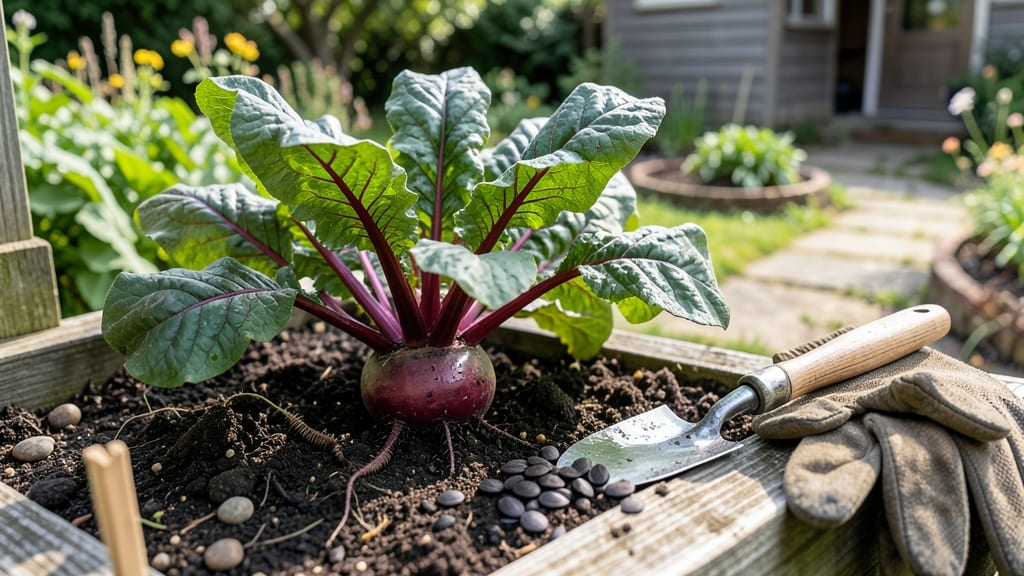
Timing your 🍠 beet planting in North Carolina isn't just about avoiding frost—it's about catching the perfect window when soil warms and daylight stretches just right. If you've ever pulled up woody, bitter beets instead of sweet, tender roots, you know how critical this timing really is.
North Carolina's 7a-8b zones give you two prime opportunities: early spring and late summer. Plant too early, and cold soil will stall germination; wait too long, and summer heat can make your beets bolt or develop tough fibers. The key is understanding your local frost dates and soil temperature thresholds.
I'll walk you through exactly when to plant for your specific region—whether you're in the Coastal Plain, Piedmont, or Mountains—plus soil prep tips to give your beets the best possible start.
By the end, you'll know exactly when to set those seeds for a reliable harvest from June to July and again in October.
Ready to grow beets that taste as good as they look? Let's dive into the planting schedule that actually works for North Carolina gardeners.
North Carolina’s frost dates & ideal beet planting windows
North Carolina’s diverse climate means your beet planting window varies dramatically between the Coastal Plain, Piedmont, and Mountains. In the Coastal Plain (Zone 8a-8b), mild winters and longer growing seasons give you a 6-week earlier start than mountain gardeners.
Meanwhile, the Mountains (Zone 6b-7a) face shorter seasons and earlier frosts, requiring precise timing to avoid lost harvests.
The key to success lies in understanding your last spring frost and first fall frost dates. For most of North Carolina, the average last frost ranges from March 15 (Coastal) to April 15 (Mountains).
The first fall frost typically arrives between October 15 (Coastal) and September 30 (Mountains). These dates create your planting windows—but soil temperature matters just as much as frost dates.
Here’s the golden rule for beets: Soil must reach 45°F for germination and 60°F+ for optimal growth. In cooler mountain regions, this often means waiting until mid-April even if frost risk has passed.
In the Piedmont, you can start as early as late February under row covers, while Coastal gardeners might plant by mid-February.
🌱
| Region | USDA Zone | Last Spring Frost | First Fall Frost | Spring Planting Window | Fall Planting Window |
|---|---|---|---|---|---|
| Coastal Plain | 8a-8b | March 15 | October 15 | February 15 - March 31 | August 1 - September 15 |
| Piedmont | 7a-7b | April 1 | October 1 | March 1 - April 15 | July 15 - August 31 |
| Mountains | 6b-7a | April 15 | September 30 | April 1 - May 1 | July 1 - August 15 |
🌡️ Note: Soil temperature must reach 45°F+ for germination
Your spring planting should begin 4-6 weeks before your last frost date to ensure beets mature before summer heat sets in. For example, in the Piedmont (Zone 7a), planting between March 1 and April 15 gives you a June-July harvest before bolting becomes an issue.
In the Coastal Plain, you can stretch this to February 15 if using row covers to protect early seedlings.
For fall planting, aim to harvest before the first frost. In the Mountains, this means sowing by August 15 for a September-October harvest. Coastal gardeners have until September 15 to plant for a late fall crop.
The trick is to time it so beets reach maturity 45-60 days before frost—any later, and you’ll lose your crop to cold.
Pro tip: Use succession planting every 2 weeks in spring and every 3 weeks in fall to extend your harvest. This works especially well in the Piedmont, where the growing season is long enough to support multiple plantings.
For example, plant March 1, March 15, and April 1 for a continuous supply from May through July.
If you’re in a transition zone (like the Sandhills between Coastal and Piedmont), check your local Cooperative Extension frost data—these areas often have 1-2 week variations from the averages. For instance, Fayetteville (Zone 7b) might align more with Piedmont dates, while Wilmington (Zone 8a) follows Coastal timing.
Remember, beets hate heat—they’ll bolt or develop tough fibers if soil temperatures exceed 80°F. That’s why fall planting often yields sweeter, more tender roots than summer attempts.
By aligning your planting with these regional windows, you’ll avoid the most common mistakes and enjoy a reliable harvest twice a year.
☀️
Soil temperature requirements for beets in NC: what to watch
Beets are finicky about soil warmth—too cold, and they’ll sit stubbornly in the ground for weeks without sprouting. In North Carolina’s 7a-8b zones, your seeds need soil temperatures of at least 45°F to germinate, but they’ll grow best once the soil hits 60°F+.
This threshold is why early spring plantings often struggle unless you take extra steps to warm the soil.
Most gardeners in the Coastal Plain can start seeds by early March, while those in the Mountains may need to wait until April.
The key is checking your soil’s actual temperature—not just the air temperature—because they can differ by 10°F or more, especially on sunny days when the ground absorbs heat faster than the air.
Here’s the critical threshold you can’t miss: if your soil stays below 50°F for more than a week, germination slows dramatically. That’s why I always test my soil temperature with a soil thermometer before planting—it’s the only way to know for sure when conditions are right.
⚠️ Cold Soil Warning: Don’t Plant Too Early!
Planting beets in cold soil (<45°F) leads to poor germination, stunted growth, and even rot. In North Carolina’s Piedmont region, March air temps may feel spring-like, but soil often lingers in the 40s°F range. Wait until soil reaches 50°F+ for reliable sprouting, or use row covers to warm it faster.
🌱 Pro Tip: Dark-colored mulch (like straw) absorbs sunlight and can raise soil temps by 5-10°F in just a few days.
If you’re eager to get a jump on the season, row covers or cold frames can create the warmth beets need. I’ve had success using floating row covers to raise soil temps by 5-8°F, allowing me to plant in late February in my Raleigh garden.
Just remove the covers once seedlings emerge to prevent overheating.
For fall plantings, aim to get seeds in the ground by mid-August in the Coastal Plain or early September in the Mountains. Soil temps should still be above 55°F for good germination, but cooler nights won’t stress the plants as much as they would in summer’s 90°F+ heat.
Remember, beets are cool-season crops, so they’ll bolt (go to seed) if exposed to prolonged heat. That’s why I always plant a second crop in late summer—it matures just in time for fall harvests before frost hits.
With the right soil temps and timing, you’ll avoid the bitter, woody beets that frustrate so many gardeners.