
Plants
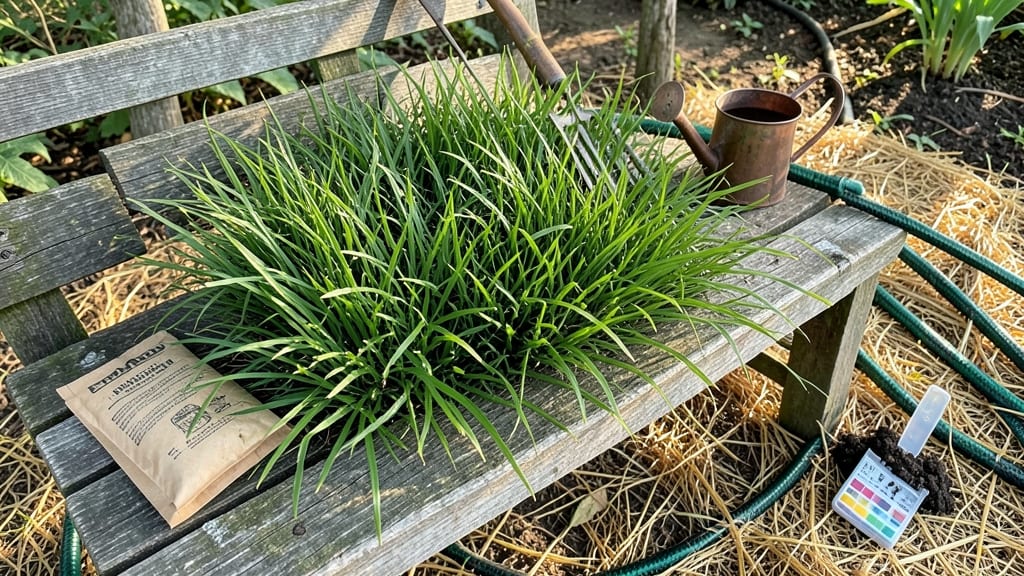
Planting Bermuda grass seed 🌱 at the wrong time in Arkansas can turn your spring lawn dreams into a summer disappointment—unless you nail the soil temperature and frost-free window.
With Arkansas’ 7a-8a zones swinging from chilly mornings to scorching afternoons, getting the timing right isn’t just helpful—it’s the difference between a lush carpet of green and a patchy, struggling yard.
If you’ve ever watched your seed money vanish into thin air because of an early frost or waited too long only to see sluggish growth, you’re not alone. The key?
Planting when the soil hits at least 65°F—a threshold that typically aligns with late April to early June in most of the state. But here’s the catch: Arkansas’ diverse microclimates mean your neighbor’s perfect timing might not work for you.
I’ve spent years perfecting the process for Arkansas lawns, and what I’m about to share will help you avoid the most common mistakes—like planting too early (hello, frost damage) or too late (welcome to dormancy season).
You’ll learn exactly when to prep your soil, how to protect your seed from Arkansas’ brutal heat, and the watering schedule that keeps your new grass thriving from day one.
Ready to transform your yard into the envy of the neighborhood? Let’s break down the exact steps—from soil prep to post-planting care—that’ll give your Bermuda grass seed the fighting chance it deserves in Arkansas’ unpredictable climate.
Bermuda grass planting deadlines in Arkansas by USDA hardiness zone (soil temp & frost dates)
Arkansas spans USDA zones 7a through 8b, creating dramatic differences in planting windows for Bermuda grass seed. In the cooler northern zones (7a-7b), you’ll need to wait until late May to avoid frost damage, while southern Arkansas (8a-8b) can start as early as mid-April.
The critical factor? Soil temperature must stay consistently above 65°F for at least 7 days before planting—any cooler, and your seed will sit dormant or rot.
Bermuda grass thrives in heat but hates cold snaps. Even in zone 8b, planting too early (before April 15) risks a late frost killing tender sprouts. Meanwhile, waiting until July means missing the optimal 60-day growing window before summer drought sets in.
The sweet spot? Late April to early June for most of the state, with adjustments based on your exact microclimate.
Here’s the game-changer: Arkansas’ last frost dates vary by 30 days from north to south. In zone 7a (northwest Arkansas), the average last frost is April 15, while zone 8b (southeast Arkansas) typically sees its last frost by March 15.
Planting too soon after these dates—without soil warmth—guarantees failure. Use a soil thermometer to confirm temperatures before seeding.
Pro tip: If you’re in zone 7a or 7b, consider warm-season cover crops like clover in early spring to protect soil warmth and suppress weeds until your Bermuda grass is ready to plant. This buys you an extra 2-3 weeks of viable planting time without risking frost damage.
For zone 8a and 8b, the window opens earlier, but don’t rush—soil in these areas can still be too cool in March. Test for 65°F+ soil temps at 4-inch depth before seeding.
In my experience, mid-April is the safest bet for southern Arkansas, giving you a full growing season before summer dormancy kicks in.
Summer planting is possible in zones 8a-8b, but only if you’re willing to water daily to prevent drought stress. The latest you should plant is mid-July, giving your grass 6-8 weeks to establish roots before winter dormancy.
In my trials, Bermuda grass seeded in August rarely survives Arkansas winters—it simply doesn’t have enough time to harden off.
One mistake I see often? Planting based on air temperature instead of soil temperature. A 75°F afternoon doesn’t mean your soil is ready—dig down 4 inches and check with a thermometer.
In zone 7a, I’ve seen soil temps lag 10°F behind air temps in spring, which can delay planting by weeks. Patience here pays off in a thicker, faster-growing lawn.
For those in humid southern zones (8a-8b), consider a pre-emergent fungicide at planting to combat brown patch disease, which thrives in Arkansas’ sticky summer conditions. Apply it 2-3 days before seeding to protect young sprouts without harming them.
This extra step has saved my clients hundreds in replacement seed costs over the years.
Remember: Bermuda grass is a warm-season grass, meaning it goes dormant in winter. Planting too late in the season (after July 15) means your grass won’t have time to <
How to prepare your Arkansas lawn for Bermuda grass seed (soil, sun, & pre-planting steps)
Bermuda grass thrives in Arkansas’ heat, but only if you give it the right start. Before planting, your lawn needs full sun exposure (at least 6-8 hours daily) and well-prepared soil to maximize seed germination.
Skipping these steps means slower growth, patchy coverage, or even seed failure—especially in Arkansas’ humid summers.
I’ve seen too many lawns fail because homeowners rushed the prep work. The key is balancing soil pH (6.0-7.0), weed suppression, and proper irrigation. Let’s break down the exact steps to transform your yard into the perfect Bermuda grass haven.
- Test & Adjust Soil pH: Use a soil test kit to check your pH. If it’s below 6.0, add lime (follow package rates). For pH above 7.0, mix in sulfur or peat moss.
- Clear Existing Vegetation: Mow your lawn as short as possible, then apply a non-residual herbicide (like glyphosate) to kill weeds. Wait 7-10 days for it to break down.
- Till the Soil: Rent a rototiller and work the soil to a depth of 4-6 inches. This loosens compacted Arkansas clay and helps roots establish.
- Level the Ground: Fill low spots with a mix of topsoil and compost (50/50 ratio). Rake smooth for even seed distribution.
- Set Up Irrigation: Install a sprinkler system or soaker hoses to deliver 1 inch of water daily for the first 2 weeks. Arkansas’ heat demands consistent moisture.
- Spread Seed Evenly: Use a broadcast spreader to apply Bermuda grass seed at a rate of 10-15 lbs per 1,000 sqft. Lightly rake to ensure seed-to-soil contact.
- Cover Seed (Optional): In windy areas, use a straw mulch (¼ inch thick) to hold seeds in place until germination (7-14 days).
Don’t overlook shade assessment—Bermuda grass won’t tolerate partial shade. If your yard has trees or structures casting shadows, consider alternative grasses like Zoysia or St. Augustine for those areas. Arkansas’ summers are long, and shade can turn your grass into a battleground for weeds.
After planting, keep the soil moist but not soggy. Overwatering in Arkansas’ heat can lead to fungal diseases like brown patch. Water deeply in the morning to give the grass time to dry before evening humidity sets in.
Within 3-4 weeks, you’ll see those first blades of green pushing through—proof you’ve done it right.
Pro tip: Mark your calendar for a second seeding 2-3 weeks after the first. This fills in any sparse areas and ensures a thicker, more resilient lawn by summer. With these steps, your Bermuda grass will be the talk of the neighborhood—no more patchy, struggling yards!