
Plants
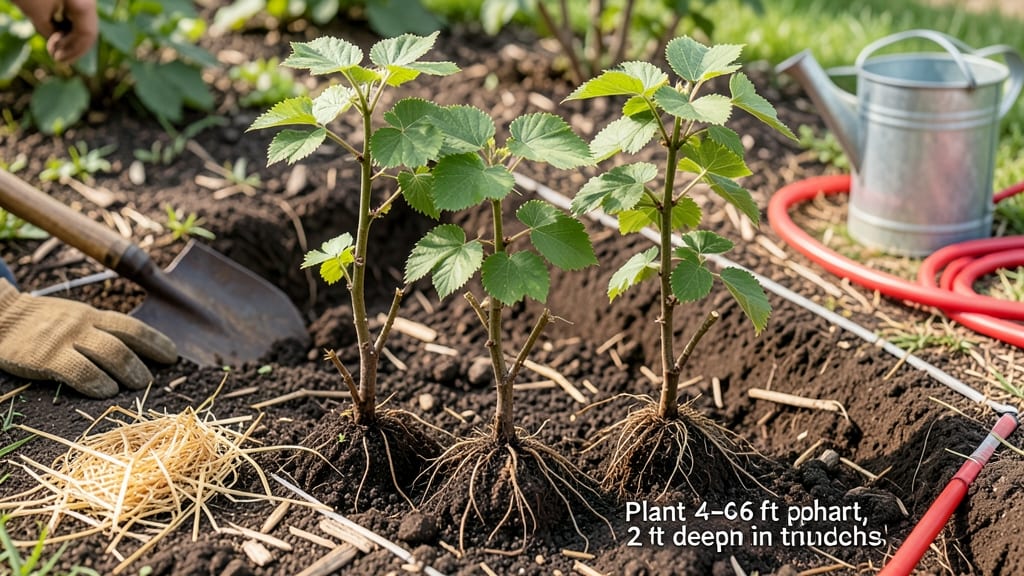
Planting blackberries in Colorado at the wrong time can turn your sweet 🫐 dreams into a winter-killed nightmare—unless you know the exact windows to act. Colorado’s 5-7 USDA zones and high-altitude chill demands mean timing isn’t just about months; it’s about matching varieties to your microclimate.
Most gardeners assume spring planting is the only option, but fall offers a secret advantage in Colorado’s dry climate: cooler soil and fewer pests.
I’ll break down why September can be better than April for your canes—and how to protect them from late frosts that sneak in after April 15.
You’ll also discover how to prep your soil for Colorado’s alkaline conditions, pick the right cultivars (like ‘Chehalem’ for high elevations), and avoid the 3 biggest mistakes that kill blackberry plants here. No generic advice—just Colorado-specific hacks to get your bushes thriving.
Ready to turn your backyard into a berry bonanza? Let’s dive into the exact planting schedule that’ll have your canes fruiting like a pro by next summer.
Colorado’s chill-hour zones: matching varieties to your location
Colorado’s diverse elevations and chill-hour requirements mean not all blackberry varieties thrive equally. High-altitude areas (8,000+ ft) like Fort Collins or Leadville need cold-hardy types, while Denver or Colorado Springs can handle slightly milder selections.
Understanding your chill-hour zone (300–1,000+ hours below 45°F) is key to selecting the right blackberry varieties for your microclimate.
Chill hours accumulate during winter dormancy, signaling canes to break dormancy in spring. Colorado spans USDA Zones 4–7, but chill-hour zones (e.g., 500–800 hours in Pueblo, 900+ in Aspen) better predict blackberry success.
For example, 'Chehalem' (600–800 hours) thrives in zone 5–6, while 'Triple Crown' (900+ hours) suits zone 4–5 high-altitude gardens.
Use your local cooperative extension office or online chill-hour calculators to pinpoint your exact hours. Most Colorado gardeners fall into 500–900 chill-hour zones, but mountain regions often exceed 1,000 hours. Matching your zone to the variety’s chill-hour range prevents poor flowering or winter die-off.
| Colorado Region | Chill-Hour Zone | Best Varieties | Planting Notes |
|---|---|---|---|
| Front Range (Denver, Fort Collins) | 600–800 hours | 'Chehalem', 'Natchez' | Plant in spring (April) or fall (Sept); protect from late frosts. |
| Southwest (Colorado Springs) | 500–700 hours | 'Ouachita', 'Arapaho' | Use mulch to retain moisture; avoid waterlogging. |
| Mountain Regions (Aspen, Leadville) | 900–1,200 hours | 'Triple Crown', 'Black Satin' | Plant in early spring (March); amend soil with compost. |
| Western Slope (Grand Junction) | 400–600 hours | 'Chester', 'Darrow' | Choose thornless types for easier harvest; irrigate deeply. |
High-altitude gardens (8,000+ ft) often face shorter growing seasons and colder soils, so prioritize varieties like 'Black Diamond' or 'Shawnee', which tolerate 1,000+ chill hours.
These types also handle dry winds common in Colorado’s eastern plains. For lower elevations (5,000–6,000 ft), 'Prime-Ark Freedom' (thornless) or 'Apache' (disease-resistant) are excellent choices.
Soil temperature also impacts planting success. In high-altitude zones, wait until soil warms to 50°F (late April–May) to plant bare-root canes.
Use a soil thermometer to avoid planting too early, which can stunt root growth. Blackberries hate soggy soil, so amend heavy clay with sand or perlite and ensure well-draining beds, especially in irrigated areas like the San Luis Valley.
Colorado’s unpredictable spring frosts can damage new growth, so choose late-blooming varieties like 'Navaho' for high-altitude gardens. These types delay flowering until after the last frost (typically mid-May in zone 5).
For lower elevations, 'Arapaho' or 'Ouachita' bloom earlier but produce larger berries when protected with frost cloth during late springs.
If you’re unsure about your chill-hour zone, observe local blackberry plants. Healthy, productive canes in your area indicate a compatible variety. For example, if wild blackberry brambles thrive near your property, they’re likely adapted to your chill-hour range.
Use this as a guide to select cultivated varieties with similar requirements.
For container gardening in urban areas like Boulder or Aurora, opt for dwarf varieties like 'Chester' (4–5 ft tall) and plant in large pots (20+ gallons) with fast-draining mix. Containers warm up faster in spring, so plant 2–3 weeks earlier than in-ground canes to extend the growing season.
Finally, consider microclimates within your property. South-facing slopes accumulate more sun and warmth, while north-facing areas stay cooler. Plant heat-tolerant varieties like 'Natchez' on south slopes and cold-hardy types like 'Triple Crown' in shaded or windy spots. Adjusting for these factors ensures your blackberries thrive year after year.
Best planting windows in Colorado: spring vs. fall timing
Colorado’s spring and fall planting windows offer distinct advantages for blackberries, but each comes with critical timing considerations. In spring (April–May), you’ll race against late frosts that can damage tender canes, while fall (September–October) planting gives roots time to establish before winter.
My experience shows that fall planting often yields stronger first-year growth in Colorado’s cooler climates.
For spring planting, aim for 2–4 weeks after your last frost date—typically mid-April in lower elevations (e.g., Denver) but later in mountainous regions (e.g., Colorado Springs). Soil temperatures should hover around 50°F (10°C) to encourage root growth.
In fall, plant 6–8 weeks before the first frost (usually by late September) to allow roots to anchor before dormancy.
Spring Planting (April–May)
- Longer growing season ahead
- Easier to monitor soil moisture
- Less competition from weeds
- Risk of late frost damage
- Slower root establishment
- Higher water needs in summer
Fall Planting (September–October)
- Stronger root system before winter
- Cooler temps reduce transplant shock
- Fewer pests and diseases
- Limited time for root growth
- Early frost can damage new canes
- Soil may be too cold for planting
Before planting, prep your soil with compost and organic matter to improve drainage—blackberries hate soggy roots. In spring, I add a 2-inch layer of mulch (straw or wood chips) to retain moisture and suppress weeds.
For fall plantings, focus on covering the root zone with 4–6 inches of mulch to insulate roots during winter.
Transplanting bare-root canes requires care: soak roots in water for 1–2 hours before planting to revive them. Dig a hole twice as wide as the root ball and space canes 3–4 feet apart in rows 6 feet apart for airflow.
Stake young plants if your area gets high winds—common in Colorado’s Front Range.
Protecting young canes from late frosts (spring) or early freezes (fall)frost cloths or row covers in spring and mulch heavily in fall. I’ve also had success with circulation fans to warm air around plants during cold snaps.
In high-altitude zones (6,000+ ft), extend the fall window to mid-October if temperatures stay mild.
Remember, Colorado’s microclimates vary wildly. Check your local frost dates (via Colorado State University’s AgriMet) and adjust accordingly.
Whether you choose spring or fall, prioritize soil health, proper spacing, and frost protection—these steps will set your blackberries up for a bountiful harvest in years to come. 🫐