
Plants
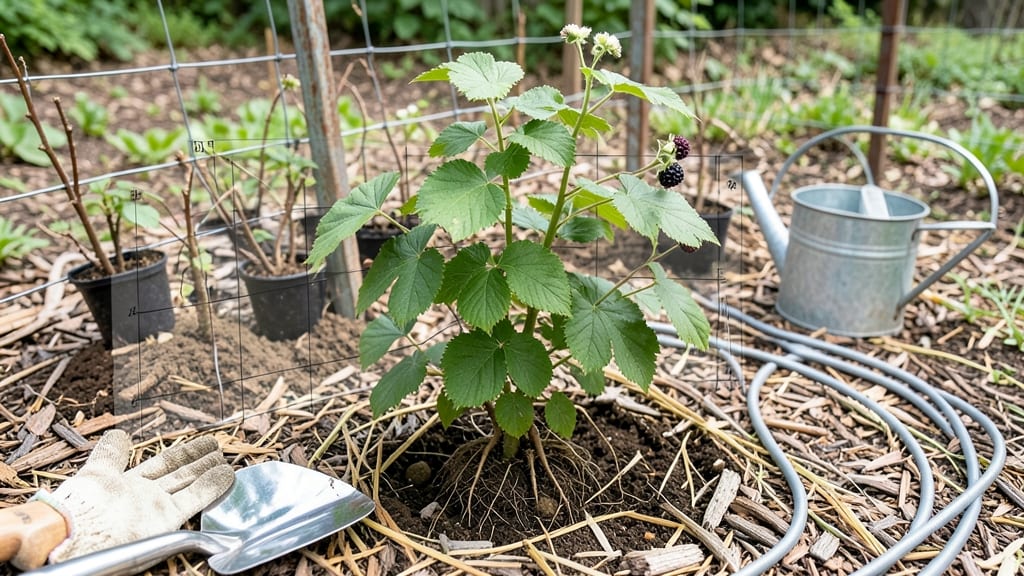
Planting blackberries in Ohio at the wrong time can mean weaker plants, delayed harvests, or even frost damage—but timing it right gives you a thriving 🫐 blackberry patch with juicy berries by summer.
The key isn’t just avoiding frost; it’s waiting for soil warmth and stable temperatures that help roots establish fast.
Ohio’s USDA Zone 6a climate means your planting window is narrow but critical: late March to early April (after last frost) or early fall (August-September). Miss this, and your blackberries might struggle through cool, damp soil—or worse, a late frost that sets them back months.
I’ll break down exactly when to plant based on Ohio’s microclimates, how to check soil warmth, and which varieties thrive best in your region. Whether you’re starting with bare-root plants or potted seedlings, these tips will help you plant for success—not failure.
Ready to skip the guesswork? Let’s dive into the perfect planting timeline for Ohio gardeners, so you can enjoy homegrown blackberries like a pro by next summer.
Ohio blackberry planting timeline: frost-free dates by region
Ohio’s diverse climate means your blackberry planting window can vary by 1-2 weeks depending on your region. The key is waiting for soil temperatures to hit 50°F+ for 7+ days—this prevents transplant shock and ensures strong root establishment.
Most Ohio gardeners plant between late March and early April, but fall planting (August-September) also works for potted varieties.
Miss the spring window? Don’t stress—Ohio’s fall planting season (August-September) gives blackberries time to establish roots before winter. Just ensure soil temps stay above 50°F for at least 2 weeks post-planting. Bare-root plants prefer spring, while potted blackberries handle fall better due to their established root systems.
For northern Ohio (Northwest/Northeast), wait until April 10-May 1—cooler soils delay planting. Southern regions (Southeast/Southwest) can start as early as late March if soil warms quickly. Central Ohio falls in between, with April 1-May 1 as the sweet spot for most gardeners.
Pro tip: Use a soil thermometer to confirm temps before planting. If soil is still cold, wait—transplant shock from chilly roots can set your blackberries back by weeks. Potted blackberries adapt better to cooler soils, making them ideal for late spring plantings.
Fall planting (August-September) is ideal for potted blackberries in all regions. Choose disease-resistant varieties like 'Prime-Ark Freedom' to handle Ohio’s humid summers. Mulch heavily after planting to insulate roots during winter.
Ohio’s first frost typically hits mid-October, but blackberries planted in fall need 6-8 weeks to establish roots before dormancy. Use row covers in early spring to protect young plants from late frosts.
Remember: Bare-root blackberries must be planted in spring (before buds swell). Potted varieties offer flexibility—plant them in fall or early spring as long as soil temps meet the threshold. Always amend soil with compost to improve drainage and warmth.
Missed the spring window? No problem—Ohio’s fall planting season (August-September) works well for potted blackberries. Just ensure soil stays above 50°F for 2 weeks post-planting to avoid winter stress. Mulch heavily to protect roots during Ohio’s cold winters.
🌱
How to check soil warmth before planting blackberries in Ohio
Planting blackberries too early in Ohio’s chilly springs can shock young roots and stunt growth. The key to success? Waiting until your soil reaches 50°F for at least 7 days—this ensures roots establish quickly and thrive.
Without checking soil warmth, you risk planting when frost lingers just beneath the surface, setting your berries back by weeks.
Ohio’s climate varies dramatically from southern regions (like Cincinnati) to northern areas (like Cleveland), where soil warms 2-3 weeks later. The Ohio State University Extension provides soil temperature maps to help you pinpoint your local window—bookmark their resources for real-time updates.
🌡️ Step-by-Step: How to Test Soil Warmth for Blackberries
-
📍 Step 1: Choose Your Testing Method
- Soil Thermometer: Most accurate ($10-$15 at garden centers).
- DIY Potato Test: Free and effective (see Step 3).
- Ohio State Maps: Check here for county-specific data.
-
🌱 Step 2: Test at the Right Depth
- Insert probe or test 4-6 inches deep—this matches blackberry root zones.
- Test in morning sunlight (afternoon sun can skew readings).
- Avoid testing near fresh manure or compost (heat distortion).
-
🥔 Step 3: DIY Potato Test (No Thermometer?)
- Bury a raw potato in a 6-inch-deep hole for 24 hours.
- Dig it up—if it’s soft and starting to sprout, soil is ~50°F+.
- If still firm, wait 3-5 more days and retest.
-
⏳ Step 4: Confirm Consistency
- Check temperatures for 3 consecutive days—blackberries need stable warmth.
- If temps dip below 45°F at night, delay planting.
- Use row covers to warm soil faster if you’re eager to plant.
-
📅 Step 5: Plant When Ready
- Bare-root plants: Late April–early May (after last frost).
- Potted plants: 2 weeks earlier (they adapt faster).
- Fall planting: August–September (soil cools naturally).
If your soil stays below 50°F for weeks, don’t panic—Ohio’s short growing season demands flexibility. Extend your planting window with row covers (like Agribon) to protect young plants from late frosts.
These lightweight fabrics trap heat during the day and shield roots at night, buying you 2-3 extra weeks of growing time.
Remember: Soil warmth > calendar dates. Even if your neighbor plants in early April, their soil might still be too cold. Trust your thermometer—or potato—over guesswork. Once your blackberries hit that 50°F threshold, they’ll reward you with stronger canes, bigger yields, and fewer pests all season long.
For extra peace of mind, tag your planting date in the Ohio State Extension’s Garden Journal app—it tracks local frost data and reminds you when to expect harvests. Happy planting! 🫐