
Plants
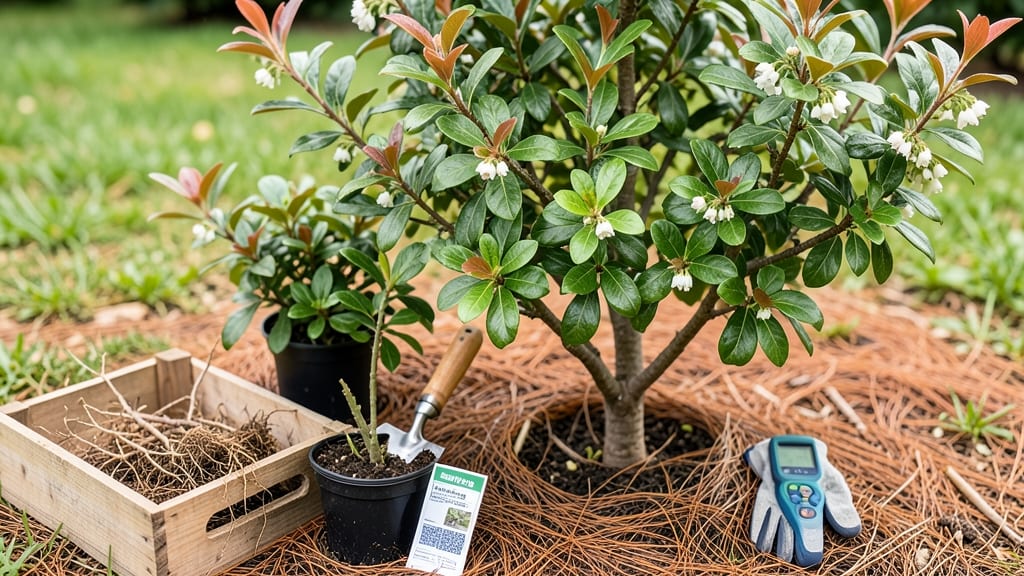
Planting blueberries in Indiana isn’t just about timing—it’s about matching your variety to the chill hours your region actually delivers. With last frosts lingering into mid-April and first frosts creeping in by October, getting the window right means the difference between a thriving 🫐 bush and a sad, struggling shrub.
Most gardeners in USDA Zones 5b-6b assume fall planting is safest, but that’s only half the story. The real secret? Choosing varieties that align with Indiana’s 1,000-1,200 chill hours—like ‘Duke’ for southern Indiana or ‘Bluecrop’ for northern areas—and planting them at the perfect moment to avoid frost damage.
Whether you’re digging in the ground or working with containers, I’ll walk you through the exact months to plant (hint: it’s not just September!) and how to prep your soil for those acidic-loving berries. No more guessing—just a foolproof plan for a harvest from late June to August.
Ready to turn your backyard into a blueberry patch? Let’s break down the best planting windows, frost-proofing tricks, and the top varieties that actually thrive in Indiana’s climate—so you can enjoy those sweet, juicy berries without the stress.
Best planting windows for Indiana blueberries by chill-hour requirements
Indiana’s USDA Zones 5b-6b create unique challenges for blueberry growers, where late-spring frosts and variable chill hours demand precise timing. The key to success lies in matching your blueberry variety to its required chill hours (0-900+ hours below 45°F) while avoiding frost windows.
Most Indiana growers achieve zero frost risk by planting in late fall or early spring, but the best window depends entirely on your chosen variety.
For example, low-chill varieties like ‘Duke’ (300-400 hours) can be planted as late as October, while high-chill varieties like ‘Bluecrop’ (900+ hours) must go in the ground by mid-April to avoid winter stress. Understanding these distinctions ensures your bushes establish strong roots before Indiana’s unpredictable frosts strike.
Here’s the critical breakdown of planting windows tailored to Indiana’s climate, including frost-risk analysis for each variety:
Spring planting (March–April) is ideal for high-chill varieties like ‘Bluecrop’ because it gives roots time to establish before Indiana’s late-spring frosts (typically mid-April). However, fall planting (September–October) is often preferred for low-chill varieties like ‘Duke’ or ‘Patriot’ because cooler temperatures reduce transplant shock.
Just ensure you plant 6–8 weeks before your first frost—usually mid-October in most of Indiana.
Pro tip: Use mulch (3–4 inches of pine straw) to insulate roots during Indiana’s winter temperature swings (often -10°F to 30°F in Zone 5). This simple step can mean the difference between a thriving bush and frost-damaged branches.
For container growers, move pots to a protected location (like a garage or against a south-facing wall) during hard freezes.
If you’re in northern Indiana (Zone 5b), prioritize fall planting for varieties like ‘Bluecrop’ to avoid spring’s high frost risk. In southern Indiana (Zone 6a), you have more flexibility with late-spring planting for varieties like ‘Jersey’ or ‘Duke’.
Always check your local frost dates (via Indiana State Climate Office) for the most precise timing.
One common mistake Indiana growers make is planting high-chill varieties too late in spring. For example, ‘Bluecrop’ planted in May may not get enough chill hours to flower properly, leading to poor yields. To avoid this, use
How to avoid frost damage: site selection and microclimate hacks for Indiana growers
Indiana’s late-spring frosts can turn your blueberry bushes into crispy casualties if you don’t plan ahead. The key to protecting your investment lies in smart site selection and leveraging microclimates—those tiny pockets of warmth that can mean the difference between a thriving harvest and a sad, frost-nipped failure.
Young blueberry plants are especially vulnerable because their roots haven’t established deep enough to access heat from lower soil layers. By strategically placing your bushes and using simple frost-mitigation hacks, you can create a safer environment for them to grow strong before Indiana’s infamous April frosts strike.
- 1 Plant on south-facing slopes to capture extra warmth from the sun during critical blooming periods (April-May). Even a gentle 5-degree slope can delay frost formation by 2-3 hours.
- 2 Install a windbreak fence (6-8 feet tall) on the northwest side of your planting area. Wind increases frost risk by 30%—blocking it creates a warmer microclimate.
- 3 Use black plastic mulch in early spring to absorb heat during the day and radiate it back at night. This raises soil temps by 5-10°F—enough to protect flowering buds.
- 4 Plant near evergreen windbreaks (like arborvitae or juniper) to create a snow-drift effect. Snow insulates roots against winter frosts and melts slowly in spring.
- 5 Avoid low-lying areas where cold air pools. Even a 1-foot elevation gain can prevent frost damage during critical bloom time.
For young blueberry bushes (under 2 years old), add an extra layer of protection with frost cloth during late-spring blooming. Drape it loosely over the plant like a tent—this traps radiant heat without smothering the foliage. I’ve saved entire plantings this way during Indiana’s notorious Mother’s Day frosts.
Remember, the best defense against frost is a combination of strategies. Start with the right site selection, then layer in microclimate hacks like mulch and windbreaks. With these tactics, your blueberry bushes will have the best chance to thrive—even when Indiana’s weather throws a curveball.