
Plants
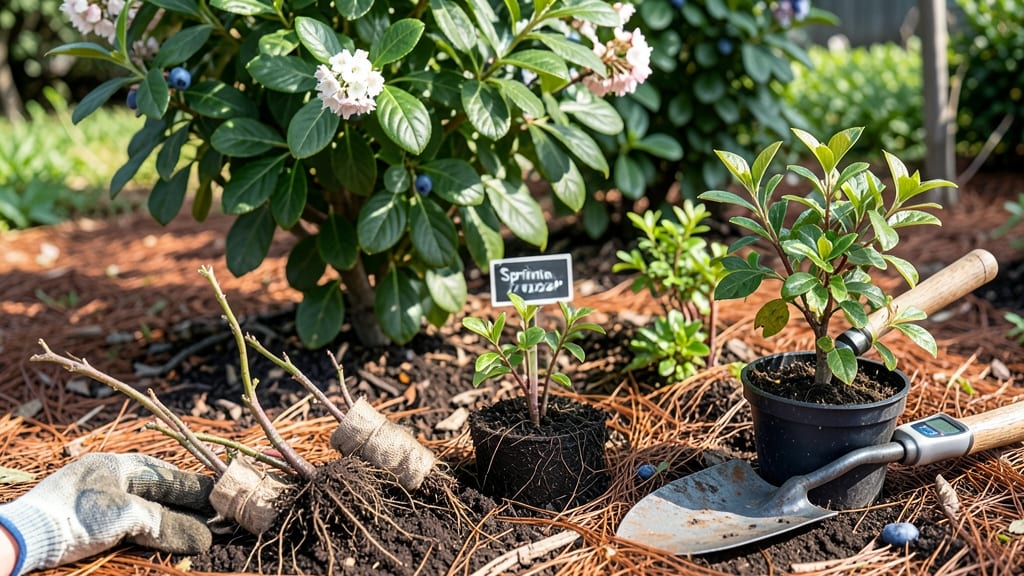
Planting blueberries in Maine isn't just about picking a month—it's about matching your variety to the chill hours your bushes need to thrive. With frost creeping back as late as mid-May and winters lingering into October, timing is everything for those sweet 🫐 harvests you crave.
Most gardeners in zones 5-6 rush to plant in spring, but that’s where mistakes happen. The real key? Fall planting (September-October) gives roots time to settle before winter, while spring options (late April-early June) demand careful frost monitoring.
I’ll show you exactly how to choose the right window for your blueberry type—whether it’s northern highbush or lowbush—and avoid the heartbreak of lost plants.
You’ve probably heard "after last frost" but never the why—because Maine’s soil stays cold longer than you think. I’ll break down the critical temperature thresholds for planting, plus how to prep your soil (acidic, well-draining, and rich in organic matter) to set your bushes up for success.
No more guessing games, just reliable harvests.
From bare-root plants to container-grown bushes, I’ll cover the best methods for Maine’s short growing season. Let’s get those blueberries growing strong—because waiting until summer is too late.
Best planting months in Maine by blueberry variety type
Maine gardeners know timing is everything when planting blueberries. The state’s USDA Zones 5-6 and variable spring frosts demand precision. Northern highbush varieties like Bluecrop thrive with 700+ chill hours, while southern highbush types such as Jersey need just 500-600 chill hours.
Lowbush varieties (wild-type) are hardiest but require fall planting for best results.
Soil temperatures are your best guide. Aim for 45°F+ soil temps to ensure roots establish before winter. Coastal Maine’s milder microclimates allow early May planting, while inland areas should wait until late May or early June.
Always check your local last frost date—Maine’s ranges from mid-May in the south to early June in the north.
Here’s a variety-by-variety breakdown of ideal planting windows, frost thresholds, and soil prep tips tailored to Maine’s climate:
| Variety Type | Chill Hours Needed | Best Planting Month | Soil Temp Threshold | Frost Risk Window | Maine-Specific Tip |
|---|---|---|---|---|---|
| Northern Highbush (e.g., Bluecrop) | 700+ hours | Late April–Early June | 45°F+ | Wait until after May 15 inland | Use mulch to protect roots |
| Southern Highbush (e.g., Jersey) | 500–600 hours | Early May–Mid June | 40°F+ | Coastal areas: May 1 safe | Plant near southern exposures |
| Lowbush (Wild Type) | 900+ hours | September–October (fall) | 50°F+ | Avoid early frost zones | Best for wild harvests |
For northern highbush varieties, prioritize late April to early June planting when soil temps stabilize above 45°F. These varieties need 700+ chill hours, common across Maine’s inland regions. Use row covers if frost threatens after planting—young roots are vulnerable until established.
Southern highbush types like Jersey are better suited for Maine’s coastal areas with milder winters. Plant these in early May when soil temps reach 40°F. Their lower chill-hour requirement (500-600 hours) makes them ideal for Portland or Bangor, where winters are slightly warmer.
Lowbush blueberries (wild-type) are Maine’s native hardiest variety, requiring 900+ chill hours. Plant these in fall (September–October) to let roots establish before winter. They thrive in acidic, sandy soils common in Maine’s upland regions.
Pro tip: Test your soil’s pH (4.5–5.5) before planting. Maine’s granite-rich soil often needs peat moss or sulfur to acidify. Amend beds with composted leaves for organic matter—blueberries love well-draining, slightly acidic soil.
Water deeply after planting to encourage root establishment. Maintain 1–2 inches of water weekly until roots spread. Mulch with pine needles or wood chips to retain moisture and suppress weeds—critical in Maine’s short growing season.
Monitor your local frost forecast using the National Weather Service. Inland areas like Presque Isle may face late frosts until June 1, while coastal Bar Harbor is typically safe by May 10. Adjust planting dates accordingly.
Remember: Fall planting (September–October) is ideal for lowbush varieties and gives northern highbush types a head start. Just ensure soil temps stay above 50°F to prevent root damage before winter sets in.
With the right variety and timing, your Maine blueberry bushes will thrive—producing juicy, homegrown berries for years to come. Happy planting! 🫐🌱
How to match Maine’s chill-hour zones to blueberry varieties
Maine’s climate varies dramatically from the coastal regions to inland areas, creating distinct chill-hour zones that determine which blueberry varieties will thrive. Coastal areas like Bar Harbor often see 500–600 chill hours, while inland spots like Presque Isle can reach 800+ chill hours.
Choosing the wrong variety means poor fruit set or no harvest at all.
Understanding chill hours is key—these are the number of hours below 45°F (7°C) your blueberries need to break dormancy and produce fruit. For example, ‘Jersey’ blueberries need just 500–600 chill hours, while ‘Bluecrop’ thrives with 700+ chill hours.
Planting the wrong type in the wrong zone wastes time and money.
Here’s how to match your location to the perfect blueberry variety using Maine’s chill-hour zones:
| Chill-Hour Zone | Recommended Varieties | Best Planting Window | Notes |
|---|---|---|---|
| 500–600 hours (Coastal) | ‘Jersey’, ‘Patriot’, ‘Bluegold’ | Late April–May (after frost) | Low chill needs; avoid late frosts |
| 600–700 hours (Southern Maine) | ‘Bluecrop’, ‘Duke’, ‘Earliblue’ | Late April–June or Sept–Oct | Versatile; good for containers |
| 700–800+ hours (Northern/Inland) | ‘Northblue’, ‘Chippewa’, ‘Legacy’ | September–October (fall best) | Cold-hardy; plant early fall |
If you’re unsure about your chill hours, use a chill-hour calculator (like the one from the University of Maine Extension) to input your local weather data. For example, Portland averages 650 chill hours, while Bangor hits 750+.
Adjust your planting schedule: coastal areas should plant earlier in spring, while inland zones benefit from fall planting to avoid frost.
Microclimates matter too—even within a town, a south-facing slope can have 100+ extra chill hours than a north-facing yard. Test your soil’s acidity (pH 4.5–5.5) before planting, as blueberries are extremely sensitive to alkaline soil. Use peat moss or sulfur to adjust if needed.
For container gardening, choose dwarf varieties like ‘Top Hat’ (500–600 hours) and place pots in full sun. Containers warm up faster in spring, so delay planting until mid-May to avoid frost damage. Always water deeply after planting to encourage root growth before winter sets in.
🌱