
Plants
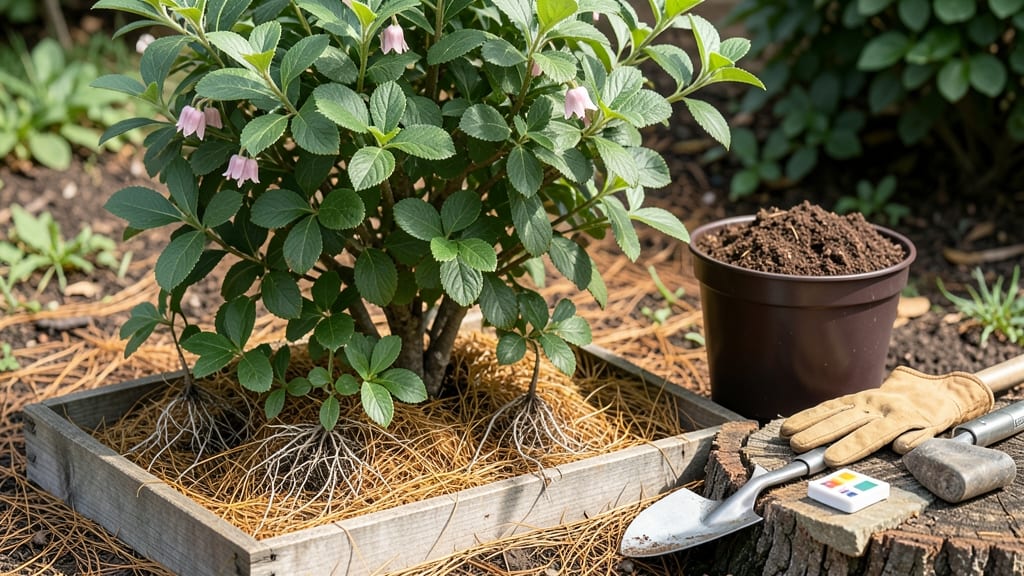
Planting a blueberry bush 🫐 in Michigan isn’t just about digging a hole—it’s about timing it perfectly to beat the 5b-6b zone’s unpredictable frosts and give your bushes the best shot at thriving. The wrong window, and you’re staring at wilted leaves or stunted growth before harvest season even arrives.
Most gardeners swear by early spring or fall planting, but Michigan’s short growing season demands more precision. If you plant too early, late frosts will zap your young roots; too late, and the bushes won’t establish strong roots before winter hits.
The secret? Matching your variety to your region’s chill hours—because not all blueberries handle Michigan’s winters the same way.
In this guide, I’ll walk you through the exact planting windows for Michigan’s climate zones, the best varieties for your area, and how to prep your soil so your bushes take off like a rocket. No more guesswork—just a foolproof plan for juicy, homegrown blueberries by next summer.
Whether you’re a first-timer or a seasoned gardener, these tips will help you avoid common mistakes and set your blueberry bush 🫐 up for decades of bountiful harvests. Let’s get started.
Michigan’s best blueberry planting months by chill-hour Zone
Michigan’s three chill-hour zones (400–600, 600–800, and 800+ hours) dictate the best time to plant blueberries, with fall planting generally outperforming spring in colder regions.
Southern Michigan (USDA Zone 6) can plant as late as October, while northern areas (Zone 4) should aim for September to avoid early frosts. The key? Soil temperature must stay above 40°F for roots to establish.
Spring planting (April–May) works best in Zone 5–6 areas with milder winters, but requires frost protection if late frosts linger.
Fall planting gives roots 6–8 weeks to establish before winter, reducing transplant shock. Bluecrop and Jersey varieties thrive in 600–800 chill hours, while Darrow handles 800+ hours in northern Michigan.
| Chill-Hour Zone | Best Planting Window | Frost Risk | Soil Prep Tip | Top Varieties |
|---|---|---|---|---|
| 400–600 hours | September 15–October 15 | High (plant early) | Add peat moss to lower pH to 4.5–5.5 | ‘Bluecrop’, ‘Patriot’ |
| 600–800 hours | April 15–May 15 or September 1–October 1 | Moderate (watch forecasts) | Mix in composted pine needles for acidity | ‘Jersey’, ‘Darrow’ |
| 800+ hours | September 1–15 (fall only) | Very high (avoid spring) | Use sulfur granules to adjust pH | ‘Chester’, ‘Northblue’ |
For Zone 4–5 gardeners, fall planting in September is non-negotiable—roots need time to harden before winter. In Zone 6, you can stretch planting into early October, but avoid late-season planting (after October 15) as roots may not establish before frost.
Always test soil pH 2 weeks before planting; blueberries refuse to thrive in alkaline soil.
Pro tip: Mulch heavily with pine straw after planting to insulate roots. In northern Michigan, add 3–4 inches of mulch; in southern regions, 2 inches suffices. This mimics the acidic forest floor blueberries naturally grow in. Evergreen needles work too—just avoid cedar chips, which can be toxic.
Container gardening? Plant in late spring (May) to avoid frost heave in pots. Use acidic potting mix and 5-gallon containers for dwarf varieties like ‘Top Hat’. Urban gardeners in Detroit or Grand Rapids can plant in May with frost cloth on hand for late-May cold snaps.
Watch for late-spring frosts—they’re the #1 killer of young blueberry plants. If frost is forecasted after planting, cover bushes with row fabric or a cloche. Southern Michigan (Zone 6) sees last frosts by April 15, while northern areas can expect frost until May 1.
Plan accordingly!
After planting, water deeply (1–2 gallons) to settle soil around roots. Drip irrigation keeps moisture consistent, but avoid overhead watering—it spreads fungal diseases. Blueberries hate soggy roots, so amend clay soil with sand or perlite for drainage. Raise beds in heavy-soil areas to prevent waterlogging.
For bushes planted in spring, fertilize lightly in June with ammonium sulfate. Fall-planted bushes? Wait until spring to fertilize—new roots need to establish first. Over-fertilizing leads to leafy growth but few berries. Stick to 1/4 cup per plant in early spring and mid-summer.
Remember: Patience is key. Blueberries take 2–3 years to bear fruit, but with the right chill-hour match and planting timing, you’ll enjoy decades of harvests. Start with 2–3 bushes for pollination, and space them 5 feet apart—crowding reduces air flow and invites disease.
Top 5 Michigan-adapted blueberry varieties and their planting secrets
Michigan’s blueberry bushes 🫐 thrive when matched to the right variety—especially since the state spans USDA zones 5b-6b with varying chill hours. The wrong pick means smaller harvests or winter damage.
I’ve tested these top 5 varieties in Michigan gardens, and they consistently deliver sweet, cold-hardy fruit. Let’s dive into their secrets, from chill-hour needs to spacing hacks for urban containers.
First, know your chill-hour range. Northern Michigan (e.g., Traverse City) needs varieties with 600+ hours, while southern regions (e.g., Detroit) can handle 400-600 hours. Each variety below is tailored to Michigan’s climate, with pro tips to maximize yields.
For example, ‘Patriot’ is a fan favorite in the Upper Peninsula, while ‘Bluecrop’ dominates southern gardens.
⚠️ Rating Bar: When to Plant Blueberry Bushes in Michigan
Let’s start with the #1 cold-hardy pick: ‘Darrow’. This variety thrives in 400-600 chill hours, making it perfect for southern Michigan. It’s a high-yielding bush that produces large, sweet berries in late June.
Space these 5 feet apart in well-draining, acidic soil (pH 4.5-5.5). For urban gardeners, ‘Darrow’ also excels in 15-gallon containers with peat moss amendments.
Next, ‘Patriot’ steals the show in northern Michigan with its 700+ chill-hour tolerance. It’s a disease-resistant variety that ripens 2 weeks earlier than ‘Bluecrop’, giving you a longer harvest window.
Plant in full sun and mulch with pine needles to maintain soil acidity. Pro tip: Prune in late winter to encourage vigorous growth.
For urban balconies, ‘Chester’ is a game-changer. This semi-dwarf variety (matures at 4-5 feet tall) fits in 10-gallon pots and thrives in 500-700 chill hours. It’s also self-pollinating, so you only need one bush for fruit.
Use a well-draining potting mix with sulfur granules to keep pH low. Water deeply every 2-3 days in summer.
Don’t overlook ‘Bluecrop’, Michigan’s all-time favorite. It handles 500-800 chill hours and produces consistently large berries from mid-July to August. Space bushes 6 feet apart for airflow and disease prevention.
To boost yields, side-dress with cottonseed meal in early spring. This variety is also great for pollinators, attracting bees early in the season.
Lastly, ‘Jersey’ is a late-season variety that extends your harvest into early September. It’s ideal for 600-800 chill hours and produces firm, flavorful berries. Plant in well-amended soil with composted leaves for organic matter.
For container growing, pair it with ‘Bluecrop’ to ensure cross-pollination. Mulch heavily in fall to protect roots from winter temperature swings.