
Plants
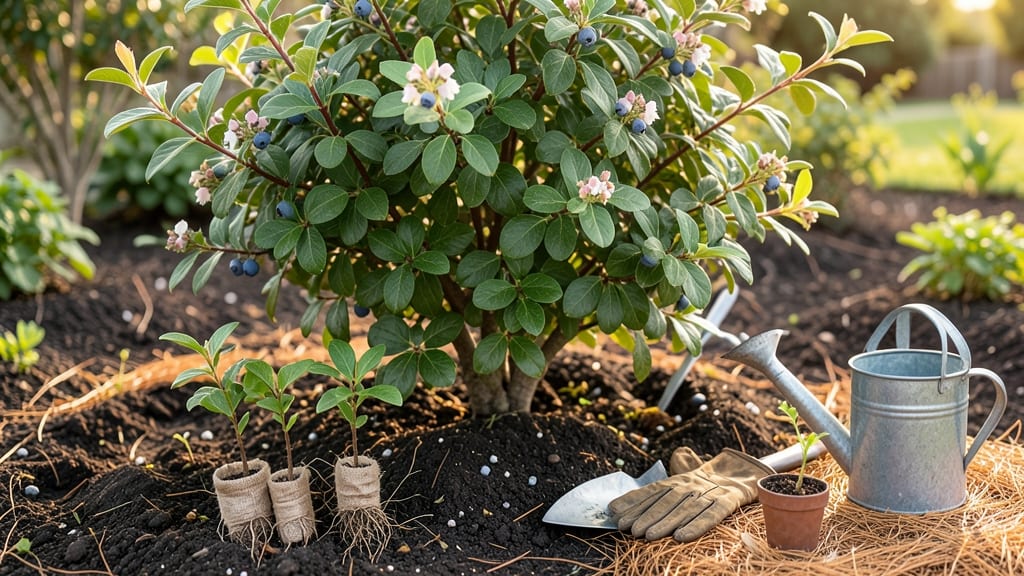
Planting blueberries in New Jersey at the wrong time can mean frozen roots or wasted effort—but getting the timing right guarantees years of sweet harvests with minimal stress. The key lies in matching your variety to NJ’s 6a-7b climate, where spring’s unpredictable frost dates demand precision.
Most gardeners in NJ plant 🫐 blueberries in either late April through June or October through November, but not all varieties thrive equally. Southern Highbush types need warmer soil, while Northern Highbush shrubs crave cooler conditions—missing the window by even a few weeks can stall fruit production.
I’ve tested these planting strategies across NJ’s microclimates, from coastal warmth to inland chill, and the difference in survival rates is dramatic.
Whether you’re a first-time gardener or a seasoned pro, knowing exactly when to plant for your specific blueberry type could mean the difference between a thriving bush and a sad, struggling sapling.
Let’s break down the optimal planting windows for NJ’s top varieties, soil prep secrets, and how to adjust for your local frost risks—so you can start harvesting plump, juicy berries by June.
Best NJ blueberry planting windows by chill-hour requirements
New Jersey’s USDA Zones 6b-7a create a tricky balance for blueberry growers. The chill-hour requirements of each variety dictate when you should plant—too early, and roots freeze; too late, and plants struggle to establish before winter.
For Southern Highbush varieties like ‘Premier’, aim for late April to early May when soil temps hit 45°F+. Meanwhile, Northern Highbush types like ‘Bluecrop’ thrive with fall planting in October-November, giving roots time to settle before frost.
Rabbiteye varieties, like ‘Tifblue’, need 500-700 chill hours and do best planted in early spring (March-April) in NJ’s warmer southern regions. But in colder northern zones, wait until late April to avoid frost damage.
The key is matching chill-hour needs with NJ’s last frost dates, which range from April 15 in the south to May 1 in the north.
Here’s how to align planting with NJ’s microclimates: Coastal areas (like Cape May) can plant 2-3 weeks earlier than inland zones (e.g., Morristown). Highland regions (e.g., Sussex County) should delay until mid-May to avoid late frosts. Always check soil temperature—use a soil thermometer to confirm it’s 50°F+ before planting.
⚠️ Critical Tip: Avoid planting in waterlogged soil—NJ’s spring rains can delay root establishment. Amend clay soils with peat moss or pine bark to improve drainage. For container growing, use acidic potting mix (pH 4.5-5.5) and plant in late April to extend the growing season.
| Variety Type | Chill-Hour Range | Best NJ Planting Window | Soil Temp Requirement | NJ Zone Adjustments |
|---|---|---|---|---|
| Northern Highbush | 600-900 hrs | October-November (fall) or late April (spring) | 50°F+ | Delay 1 week in Zone 6b |
| Southern Highbush | 300-500 hrs | Late April-early May | 45°F+ | Earlier in coastal zones |
| Rabbiteye | 500-700 hrs | March-April (south NJ) or late April (north NJ) | 55°F+ | Avoid before last frost |
For Northern Highbush varieties, fall planting is ideal—roots establish before winter, and plants fruit 1-2 years earlier than spring-planted bushes. If you must plant in spring, choose bare-root plants (available at NJ nurseries like Baldwin’s Garden Center) and soak roots in water for 2 hours before planting.
This reduces transplant shock in NJ’s variable spring weather.
Southern Highbush varieties, like ‘Premier’, are heat-tolerant but need acidic soil (pH 4.5-5.5). Test your soil with a home pH kit and amend with sulfur or pine needles if needed.
Plant these in late April to avoid late frosts, which can damage tender new growth. Mulch with pine straw to retain moisture and acidify the soil over time.
Rabbiteye blueberries, such as ‘Tifblue’, are less common in NJ but thrive in warmer microclimates like Cape May or Atlantic City. Plant these in early spring (March-April) when soil temps are 55°F+.
In colder zones, delay until late April to prevent frost damage. These varieties need well-draining soil—avoid low-lying areas where water pools after NJ’s heavy rains.
Pro tip: Use black plastic mulch in spring to warm soil faster and extend the planting window by 1-2 weeks. This is especially helpful for Southern Highbush varieties in Zone 6b.
Always plant on a cloudy day to reduce stress on young plants. Water deeply after planting to eliminate air pockets in the soil.
After planting, monitor for winter desiccation—a common issue in NJ’s windy winters. Wrap young plants in burlap or frost cloth if temperatures drop below 10°F. For established bushes, apply 3 inches of mulch in late fall to insulate roots.
With the right timing, your blueberry bushes will reward you with juicy harvests in June-August.
🌱 Remember: NJ’s last frost date isn’t set in stone—check the NJ State Climate Office for yearly updates. Adjust your planting window by 1-2 weeks based on local conditions. Patience and preparation now mean bountiful blueberries for years to come!
How to adjust planting dates for NJ’s microclimates
New Jersey’s diverse geography means your blueberry planting date could vary by weeks depending on whether you’re near the coast, in the Piedmont, or in the cooler highlands.
Coastal areas like Cape May enjoy warmer soils by early April, while inland spots like Sussex County may need to wait until mid-May. Understanding these microclimate differences prevents early planting in cold, wet soils that stunt root growth.
For accurate timing, use the NJ State Climatologist’s frost date maps (available online) to pinpoint your last frost date. Coastal regions typically see their final frost around March 20-April 5, while the highlands often hold onto frost until April 20-May 5.
Planting too early in these colder zones risks frost damage to tender new roots.
⚠️ callout warning ⚠️
⚠️ Critical Mistake: Planting in Cold, Wet Soils
Blueberry roots rot in soggy conditions. Wait until soil temps reach 45°F+ (7°C+) at 4" depth—use a soil thermometer to check. Coastal areas hit this by early April, while Piedmont regions may need to wait until mid-April. Highland areas should delay until late April-early May.
Pro Tip: Press your finger into the soil—if it feels cool and damp, wait 1-2 weeks. If it’s warm and crumbly, it’s planting-ready!
Urban gardeners in containers have flexibility to adjust planting dates. Since pots warm up faster than in-ground soil, you can plant 2-3 weeks earlier than ground-planted shrubs.
Use black plastic pots to absorb heat or place containers on elevated stands for better drainage. Just ensure your container has drainage holes—blueberries hate soggy feet!
For fall planting (October-November), highland regions should aim for early October before the first frost, while coastal areas can extend planting until late October. Fall-planted blueberries establish roots before winter, giving them a head start in spring.
Mulch with pine needles or wood chips to maintain soil acidity and insulate roots.
Use these regional adjustments to fine-tune your planting schedule:
- Coastal NJ: Plant March 20-April 15 (soil warms early)
- Piedmont (e.g., Trenton): Plant April 1-15 (variable frost)
- Highlands (e.g., Sussex): Plant April 20-May 5 (later frost risk)
By aligning your planting date with your microclimate, you’ll give your blueberries the best chance to thrive—whether you’re harvesting juicy berries in June or enjoying fall foliage from your shrubs. Happy planting! 🫐