
Plants
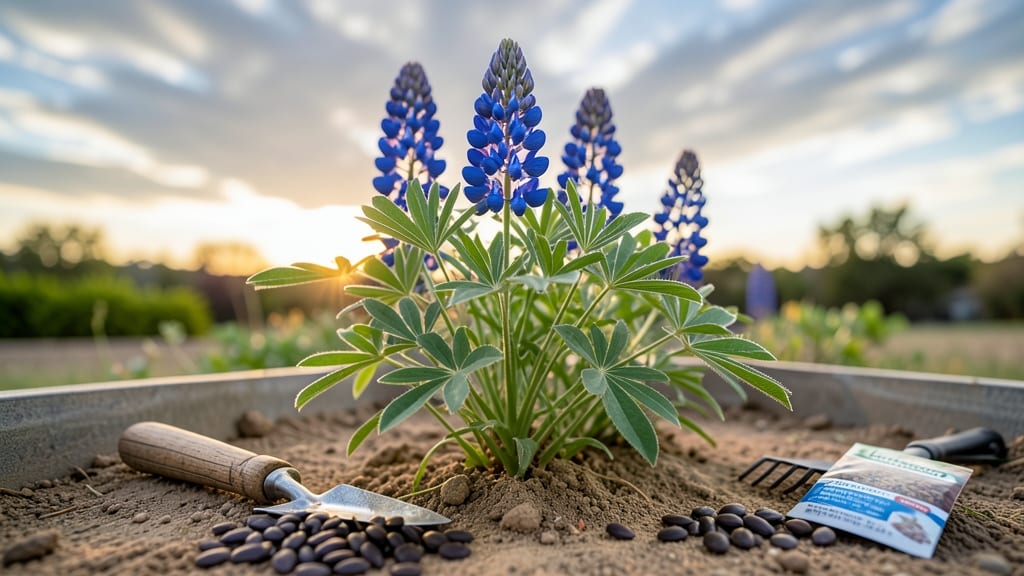
Best months to plant bluebonnet seeds in Austin’s climate
Austin’s bluebonnet blooms are legendary, but getting them to thrive starts with perfect timing. These native wildflowers rely on Austin’s fall rains and winter chill to germinate successfully.
Planting at the wrong time means sparse blooms—or worse, no blooms at all. Let’s break down the ideal planting windows based on Austin’s unique climate patterns.
The best time to plant bluebonnet seeds in Austin is between late September and November. This window aligns with Austin’s cooler temperatures and increased rainfall, which are critical for seed germination.
Fall planting gives seeds time to establish roots before winter dormancy, ensuring vibrant spring blooms. Spring planting is possible but riskier due to Austin’s unpredictable weather.
Why fall planting dominates success rates comes down to science. Bluebonnet seeds need consistent moisture and soil temperatures between 60°F and 75°F to germinate. Fall’s mild temperatures and natural rainfall create these ideal conditions. Additionally, seeds planted in fall have a head start on root development, making them more resilient to Austin’s summer heat and drought.
Austin’s USDA Zone 8b climate means we experience mild winters and hot summers. The first frost date is around December 1, and the last frost date is January 15. Planting before the first frost ensures seeds have enough time to germinate and establish before winter dormancy sets in.
This timing also avoids the intense summer heat, which can dry out seeds before they sprout.
Here’s a quick comparison of fall vs. spring planting for bluebonnets in Austin:
| Planting Window | Best Months | Soil Temperature | Rainfall | Success Rate |
|---|---|---|---|---|
| Fall Planting | Late September - November | 60°F - 75°F | Moderate to High | ⭐⭐⭐⭐⭐ (90%+) |
| Spring Planting | February - Early March | 55°F - 65°F | Low to Moderate | ⭐⭐⭐ (60-70%) |
While spring planting (February-March) is an option, it’s riskier because Austin’s unpredictable spring rains and warming soil can lead to uneven germination. Seeds planted in spring may also struggle with drought stress if rains don’t arrive on time.
For the most reliable results, fall planting is the gold standard for Austin gardeners.
If you’re planting in late fall (November-December), choose a warmer microclimate, like a south-facing slope or a spot near a building that retains heat. These areas can provide the extra warmth seeds need to germinate before winter dormancy.
Avoid planting in shady or low-lying areas, where cold air pools and delays germination.
Another factor to consider is Austin’s alkaline soil. Bluebonnets thrive in well-draining, slightly acidic to neutral soil. If your soil is heavily alkaline (pH above 7.5), amend it with compost or peat moss before planting.
This step is especially important if you’re planting in urban areas or disturbed soils, where pH levels can be extreme.
For gardeners in higher elevations (like West Austin or the Hill Country), you can push planting slightly later into November. These areas experience cooler temperatures and more consistent rainfall, giving seeds extra time to establish.
In contrast, east Austin’s hotter, flatter terrain may require planting as early as late September to avoid summer heat stress.
Remember, bluebonnets are drought-tolerant once established, but they need consistent moisture during germination. After planting, water lightly but frequently to keep the soil moist but not soggy.
Avoid overwatering, which can lead to fungal diseases or seed rot. Once seeds sprout, reduce watering to once a week or less, depending on rainfall.
Timing your bluebonnet planting right ensures a sea of blue blooms next spring. By following Austin’s fall planting window and adapting to your local microclimate, you’ll set your bluebonnets up for success. Happy planting—and enjoy the show-stopping results! 🌸
Step-by-step guide to planting bluebonnets in Austin soil
Planting bluebonnets in Austin’s alkaline soil and unpredictable weather requires a few key adjustments to ensure strong germination and vibrant spring blooms. Unlike many plants, bluebonnets thrive in Austin’s calcareous soil—but they need proper timing, spacing, and minimal intervention to succeed.
Let’s break down the process so you can achieve that iconic Texas blue without the guesswork.
First, understand that bluebonnets are native wildflowers adapted to Austin’s drought conditions and hot summers. They don’t need rich soil or frequent watering—they just need the right conditions to establish roots before winter.
The secret lies in fall planting, when soil temperatures are cooler and rainfall is more reliable.
⚠️ CRITICAL STEP: Austin’s soil is naturally alkaline (pH 7.5-8.5), which bluebonnets tolerate beautifully. However, amending with compost improves drainage and microbial activity. Skip chemical fertilizers—they can harm these delicate wildflowers.
Step-by-Step Planting Guide for Austin Bluebonnets
- 📅 Choose the Right Time: Plant seeds late September through November when soil temps are 60-70°F and summer heat has passed.
- 🌱 Prep the Soil: Clear debris and loosen top 2 inches of soil. No need to till deeply—bluebonnets prefer minimal disturbance.
- 💧 Scatter Seeds Lightly: Sprinkle seeds sparingly (about 1/4 lb per 1,000 sq ft) on bare soil—no covering needed.
- 🌿 Space for Growth: Allow 6-12 inches between clusters to prevent overcrowding and encourage strong stems.
- ☀️ Select Full Sun: Choose a spot with 6+ hours of direct sunlight daily—bluebonnets wilt in shade.
- 🌧️ Water Gently: Keep soil moist but not soggy for 4-6 weeks post-planting. Use a light mist to avoid displacing seeds.
- 🌱 Let Nature Take Over: After germination, reduce watering to mimic Austin’s rainfall. Bluebonnets self-seed for years!
For companion planting, pair bluebonnets with native grasses like buffalo grass or wildflowers such as blackfoot daisies. These plants share similar water needs and soil preferences, creating a low-maintenance ecosystem. Avoid planting near aggressive grasses like Bermuda, which can smother young bluebonnets.
After planting, mulch lightly with straw or native grass clippings to retain moisture and suppress weeds—just don’t bury the seeds. Austin’s winter rains will do most of the work, but a weekly light watering in dry spells ensures strong root development before spring.
Remember, bluebonnets are perennials that return year after year if given the right start. With these steps, your Austin garden will burst into blue come spring, just like the wildflowers along Texas highways. Happy planting! 🌸