
Companion Plants
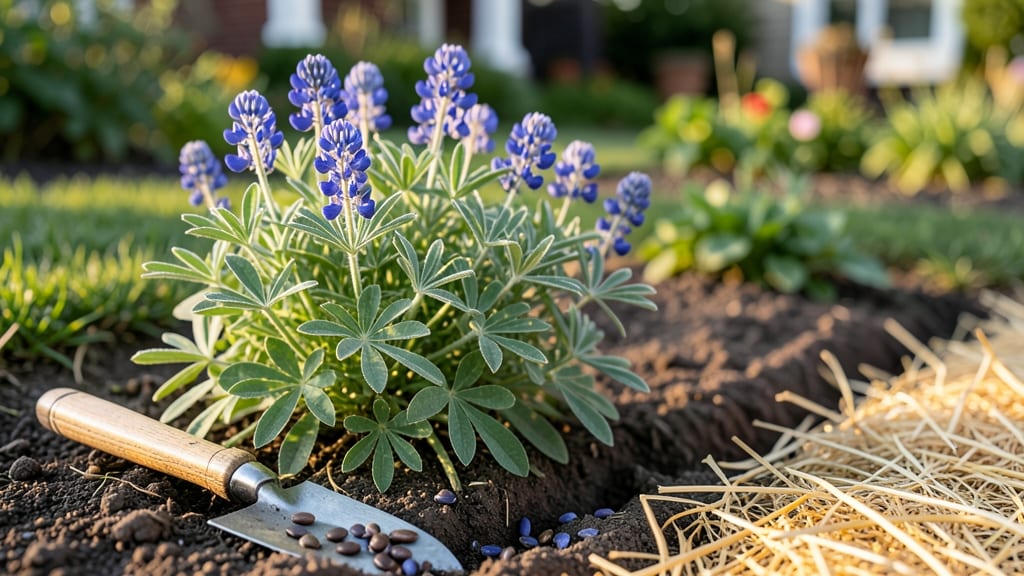
Planting bluebonnets at the wrong time in North Texas can mean waiting years for those iconic blue blooms to appear—because these tough little flowers need the right seasonal cues to thrive.
If you've ever scattered seeds in spring only to see them fizzle, you're not alone, and the solution lies in understanding the perfect fall window for planting.
The key to vibrant spring displays is getting those seeds in the ground between late September and early November, when temperatures start to cool but before the first hard frost hits.
This timing lets bluebonnets establish roots and prepare for winter dormancy, setting the stage for their stunning April-May show. North Texas gardeners in zones 7b-8a have a narrow but critical window to work with—miss it, and you might be waiting another year for that 🌸 magic.
I'll walk you through exactly when to plant, how to prep your soil for maximum success, and why this timing makes all the difference for North Texas conditions.
Whether you're sowing seeds or planting plugs, these insights will help you avoid common pitfalls and create a bluebonnet carpet that rivals the wildflower superhighways you admire every spring.
Let's dive into the best months for planting and the pro tips that'll turn your garden into a blue paradise—without the guesswork. Your future spring blooms will thank you!
Best months to plant bluebonnets in North Texas for spring blooms
If you're dreaming of bluebonnets blanketing your North Texas landscape next spring, timing is everything. These Texas state flowers thrive when planted in fall, but the exact window depends on your local microclimate—whether you're in Dallas-Fort Worth, Waco, or Amarillo.
Planting too early or late can delay blooms or even kill seedlings before winter. Let's break down the optimal planting months for your region.
North Texas spans USDA hardiness zones 7a-8b, meaning temperatures can vary dramatically between cities.
In Dallas-Fort Worth (7b-8a), the ideal window is late September to early November, while Amarillo (7a) gardeners should aim for mid-September to mid-October to avoid early freezes. Waco (7b-8a) falls right in the middle, with late September to early October being the sweet spot.
Why fall? Bluebonnets need cold stratification—a natural chilling process—to break seed dormancy. Planting in fall lets seeds experience winter's cool temperatures and moisture cycles, ensuring vigorous growth when spring arrives. Skipping this step often results in poor germination or weak plants that struggle to bloom.
Here’s a quick regional breakdown to help you plan:
| Region | Optimal Planting Window | Key Consideration | Average First Frost |
|---|---|---|---|
| Dallas-Fort Worth | Late September - Early November | Soil temps drop below 70°F | Mid-November |
| Waco | Late September - Early October | Clay soil needs prepping | Late November |
| Amarillo | Mid-September - Mid-October | Early freezes possible | Early November |
| East Texas (e.g., Tyler) | Early October - Mid-November | Higher humidity | Late November |
For Dallas-Fort Worth gardeners, October is the golden month—balancing warm soil for seedling establishment and cool nights to trigger dormancy.
If you miss this window, you can still plant in early November, but seeds may not germinate until spring, delaying blooms by a month or more. Amarillo gardeners should act fast—planting after mid-October risks seedling freeze damage before winter sets in.
Spring planting is possible but not recommended for bluebonnets. Seeds sown in February or March often bolt to flower immediately, producing small, weak plants with minimal blooms. If you must plant in spring, use pre-germinated seeds or plugs and expect reduced vigor.
For best results, stick to fall planting and let nature do the work.
Adjust your timing based on local weather forecasts. If unseasonably warm temperatures linger into November, delay planting until soil temps drop below 70°F.
Conversely, if a hard freeze is predicted in October, plant 2-3 weeks early to ensure seeds establish before winter. Monitor your local National Weather Service for first frost dates—aim to plant 4-6 weeks before the average first frost in your area.
Pro tip: If you're planting in clay-heavy soils common in North Texas, amend the soil with compost or sand to improve drainage. Bluebonnets hate soggy roots, so well-draining soil is non-negotiable.
Scatter seeds lightly—they don’t need covering—and water gently to avoid washing them away. Once established, they’re drought-tolerant, but young seedlings need consistent moisture.
Remember, bluebonnets are perennials that reseeds naturally, so one planting can create years of blooms. By planting at the right time, you’ll enjoy vibrant blue carpets in April and May, turning your yard into a Texas wildflower paradise. 🌸
How to choose between seeds and plugs for North Texas bluebonnets
Deciding whether to plant bluebonnet seeds or pre-grown plugs can make or break your spring blooms. North Texas gardeners often debate this choice, especially when aiming for that iconic blue carpet of flowers.
Both options have unique advantages, but your climate and goals will determine the best path. Let’s break down the pros and cons to help you decide what works best for your landscape.
For many North Texas gardeners, seeds are the traditional choice, offering a lower upfront cost and the joy of watching nature take its course. However, they require patience and precise timing to ensure successful germination.
On the other hand, plugs provide immediate visual impact and higher success rates, but they come with a higher price tag. Understanding these trade-offs can save you time, money, and frustration down the road.
Here’s a quick pros-cons comparison to help you weigh your options for planting bluebonnets in North Texas:
- Cost-effective for large areas
- Encourages natural reseeding
- Best for wildflower meadows
- Slower germination (4-6 weeks)
- Requires precise timing
- Lower success rate in poor soil
- Faster establishment (blooms in 1 year)
- Higher success rate in dry conditions
- Immediate visual impact
- Higher upfront cost
- Limited variety in local nurseries
- Less natural reseeding
If you’re planting for a wildflower meadow, seeds are the way to go. Varieties like 'Blue Daze' and 'Texas Sapphire' thrive when sown directly into well-prepared soil. These varieties are well-adapted to North Texas conditions and will naturalize beautifully over time.
For a quicker, more controlled look, plugs are ideal, especially in landscaped areas where you want blooms within the first year.
Local nurseries like Native American Seed or Wildseed Farms offer high-quality bluebonnet seeds tailored to North Texas. For plugs, check with local garden centers in your area, such as Heirloom Gardens in Dallas or Texas Wildflower Center sales.
Always verify that seeds or plugs are labeled for your specific USDA Zone (7b-8a) to ensure compatibility with our climate.
Common mistakes to avoid include planting seeds too early (risk of rot) or too late (poor germination). For plugs, ensure they’re well-established before the first North Texas frost (around mid-November). Both methods require well-draining soil—amend heavy clay with compost to improve drainage and success rates.
No matter which method you choose, bluebonnets will reward your efforts with vibrant spring blooms that bring joy to North Texas landscapes. Start planning now, and you’ll be enjoying those iconic blue flowers in no time! 🌸