
Plants
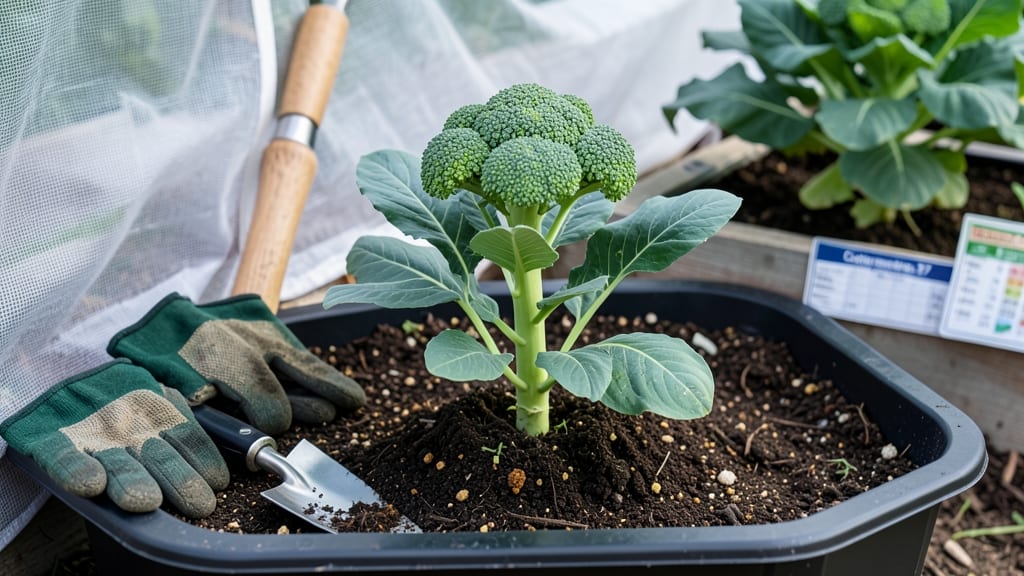
Planting broccoli in Colorado isn’t just about the calendar—it’s about mastering your elevation zone, because a single week’s mistake can mean bolting heads or frost-nipped seedlings.
Whether you’re in Denver’s lowlands or Aspen’s high country, timing your 🥦 crops to avoid late frosts or summer heat is the key to a bountiful harvest.
Most gardeners assume spring planting is the only option, but Colorado’s climate actually rewards two planting windows: a spring crop that thrives in cooler months and a fall crop that extends your harvest into October.
The trick? Knowing your last frost date—which can vary by 10 days or more depending on whether you’re at 5,000 feet or 8,000 feet.
In this guide, I’ll break down the exact weeks to plant broccoli in your specific zone, plus how to adjust for Colorado’s notorious microclimates. You’ll learn which varieties handle high-altitude growing best and how to stretch your harvest season without risky guesswork.
Ready to stop second-guessing your planting schedule? Let’s dive into the frost-date calculator and variety recommendations that will finally give you the reliable, homegrown broccoli you’ve been dreaming of.
Colorado broccoli planting dates by elevation zone (with frost calculators)
Colorado’s elevation zones create dramatic differences in last frost dates, which directly impacts your broccoli’s success. At 5,000 feet, you might plant in early April, while at 8,000 feet, you’ll wait until late May. Understanding these shifts prevents bolting or frost damage—both common mistakes in Colorado gardens.
Most gardeners focus only on spring planting, but Colorado’s climate actually supports two harvest windows: spring (March–June) and fall (July–September). The key is aligning your planting with 90–100 frost-free days—a rule that changes dramatically with elevation.
For example, Denver’s lowlands average 150 frost-free days, while Aspen’s high country gets just 90 days.
Below is your elevation-specific planting guide, including regional frost averages for Denver, Fort Collins, and Aspen. Use these as your baseline, then adjust for microclimates (like urban heat islands or sheltered valleys) by ±1–2 weeks.
For precise frost dates, use the Colorado State University Frost Calculator (link in resources) or check your local CoCoRaHS station. These tools account for microclimates—like urban Denver’s heat islands or Aspen’s cold air pockets—that can shift frost dates by 1–2 weeks.
Spring planting is your best bet for a longer harvest window, but fall crops work well in lower elevations (3,000–5,000 ft). Aim to plant fall broccoli 90–100 days before your first frost—typically late July to early August in Denver.
In high elevations, stick to one spring crop and choose fast-maturing varieties like ‘Green Goliath’ (58 days to harvest).
Pro tip: Use black plastic mulch in early spring to warm soil and extend your planting window by 2–3 weeks in cooler zones. This trick works especially well in 5,000–7,000 ft elevations, where late frosts are common. Pair it with row covers for extra frost protection if needed.
If you’re unsure about your exact frost dates, err on the side of planting later. Broccoli handles cooler soil better than heat, and a delayed start is safer than risking bolting from warm soil.
For container gardeners, use 5-gallon pots and plant 2–3 weeks later than in-ground dates—they warm up faster but also dry out quicker.
Track your garden’s performance each year to refine your timing. Note when your broccoli bolts, stunts, or thrives—these observations will help you adjust future planting dates for your specific microclimate. Over time, you’ll develop a customized schedule that beats Colorado’s unpredictable weather.
Ready to plant? Grab your seeds, mark your calendar, and use this guide as your elevation-specific roadmap to a bountiful broccoli harvest—no more guesswork, just reliable, homegrown greens all season long. 🥦
How to adjust broccoli planting for Colorado’s microclimates (and avoid common mistakes)
Colorado’s microclimates can turn your broccoli garden from thriving to tragic in a single week. Urban Denver’s heat islands might push your last frost date 2 weeks earlier than rural areas, while high-altitude valleys can delay it by 10 days or more.
The key is adjusting your planting schedule based on your specific conditions—whether you’re in a container on a balcony or a high-altitude mountain garden.
Three critical mistakes Colorado gardeners make (and how to fix them): planting too early (risking frost damage), ignoring soil warmth (causing slow germination), and skipping shade cloth (leading to bolting in late springs). Let’s tackle these one by one, plus my favorite tricks for extending your harvest window.
⚠️ callout warning
Broccoli seeds need soil temps of 45°F+ to germinate. In Colorado’s 5,000–7,000 ft zones, this can mean waiting until mid-April even if frost dates suggest earlier planting. Use a soil thermometer—if it’s below 50°F, delay planting or use black plastic mulch to warm the soil by 5–10°F.
Fix: Cover seeds with row covers or plant in raised beds (they warm faster). For containers, use 5-gallon pots filled with compost—these stay 5°F warmer than in-ground soil.
For urban gardeners, microclimates mean heat islands can push your planting window 2 weeks earlier than rural areas. Test your spot by planting radishes (fast germinators) in early March—they’ll tell you if your soil is ready.
If they sprout in 5 days, your broccoli seeds are good to go. In high-altitude areas (7,000+ ft), prioritize fast-maturing varieties like ‘Green Goliath’ (58 days) and plant 2–3 weeks later than your zone’s average.
Late springs? Use shade cloth (30–50%) to prevent bolting. Stretch it over seedlings when temps hit 75°F+—this buys you 3–4 extra weeks of harvestable heads. Pair it with drip irrigation to maintain even moisture.
For containers, choose shallow-rooted varieties like ‘Waltham 29’ and keep pots in partial shade during peak afternoon sun.
Extend your harvest by 4–6 weeks with companion planting. Pair broccoli with bush beans (they fix nitrogen) or dill (repels cabbage moths). In fall, interplant with spinach or kalecold frames to protect fall crops from early frosts, extending your harvest into October.
Pro tip: Track your garden’s bolting triggers. If your broccoli bolts by July 1st every year, it’s likely due to heat stress or over-maturity. Next season, plant 2 weeks later or choose heat-tolerant varieties like ‘De Cicco’. For containers, switch to self-watering pots—consistent moisture prevents stress-induced bolting.
Your goal? A reliable harvest window from June to October. Start by adjusting your planting dates based on your microclimate, then use soil warmth tests, shade cloth, and companion plants to stretch that window.
With these tricks, you’ll avoid Colorado’s top 3 broccoli mistakes—and enjoy homegrown greens all season long. 🌱